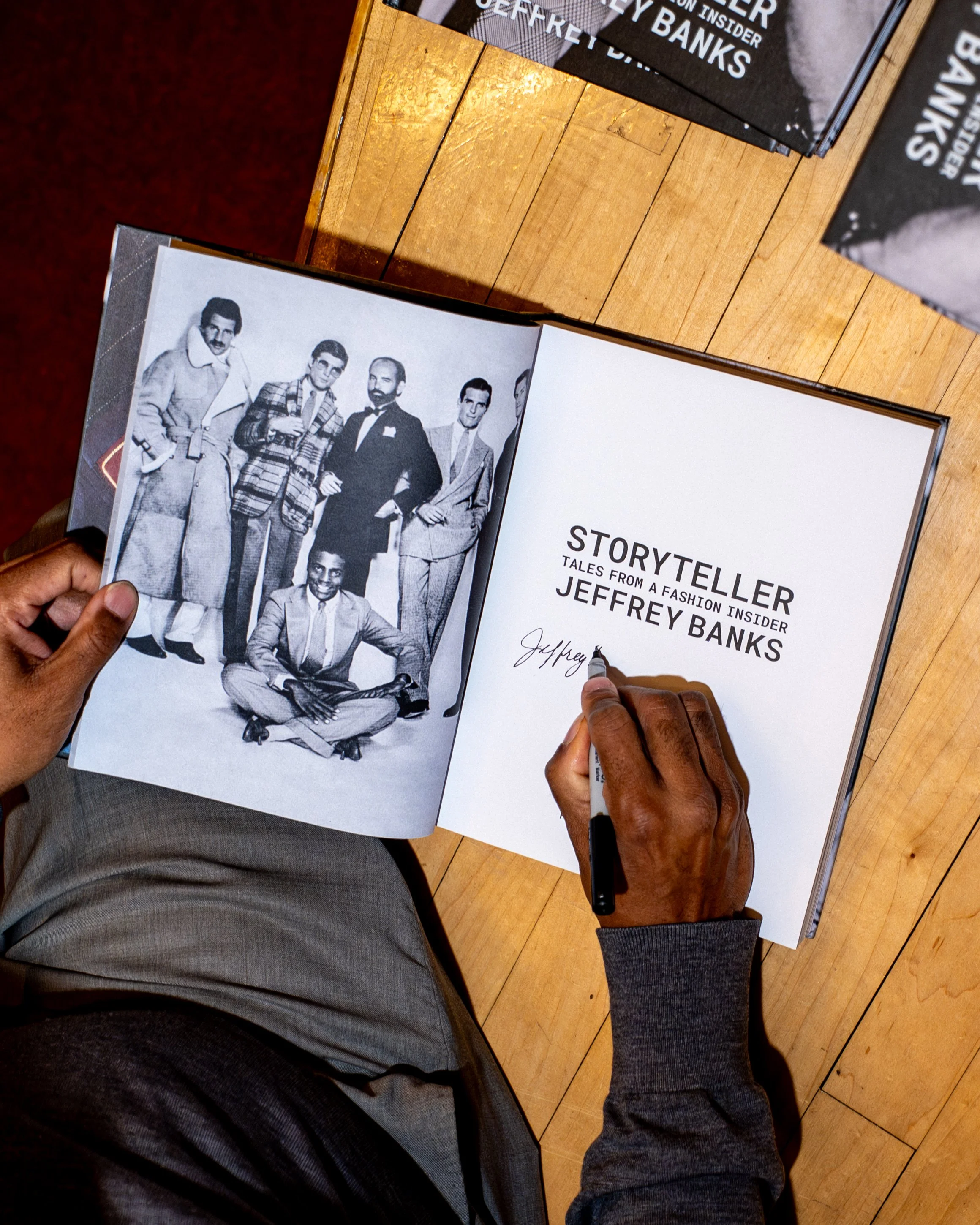
Fireside Chat and Book Signing with Jeffrey Banks
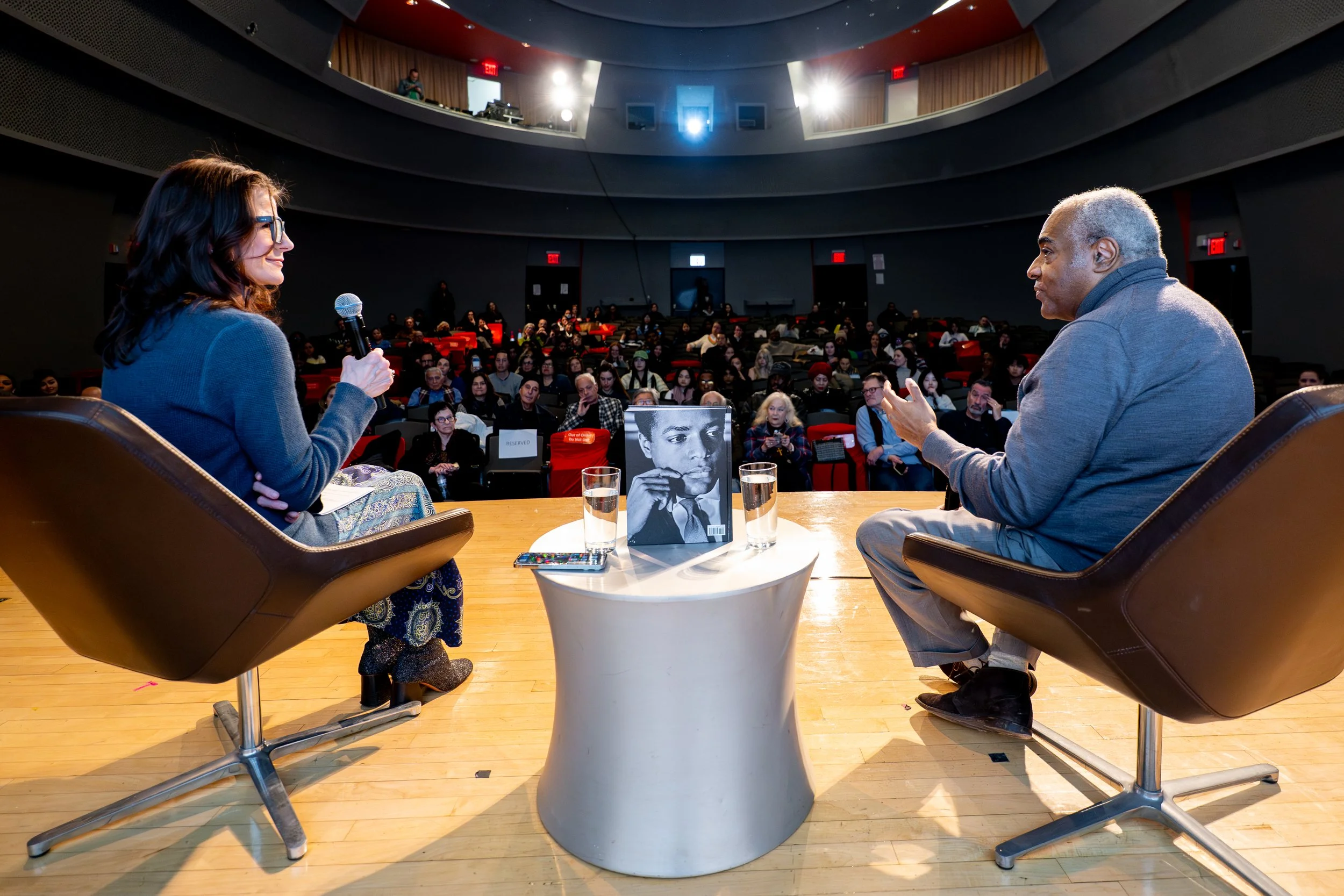
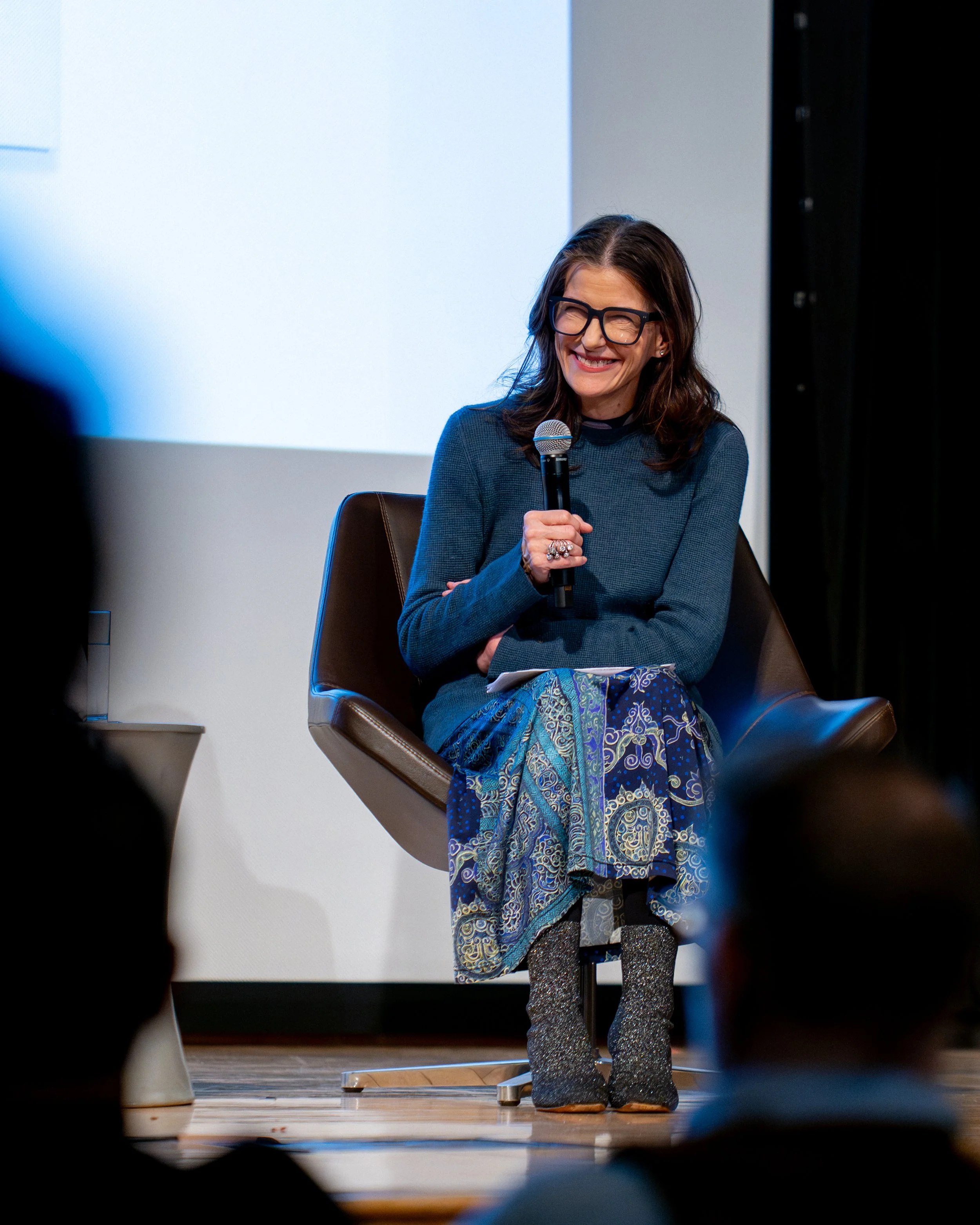
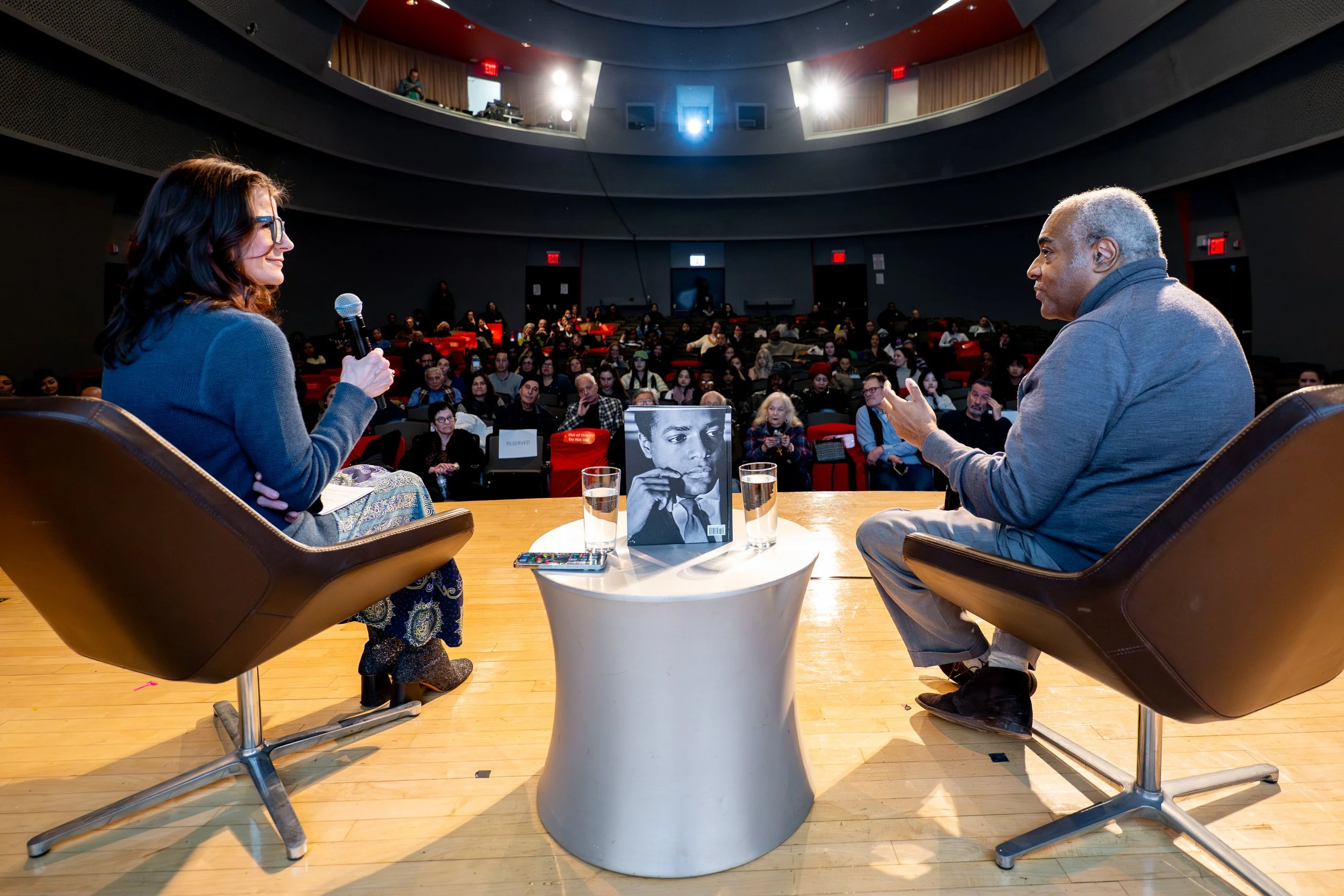
Moderated by Bridget Foley
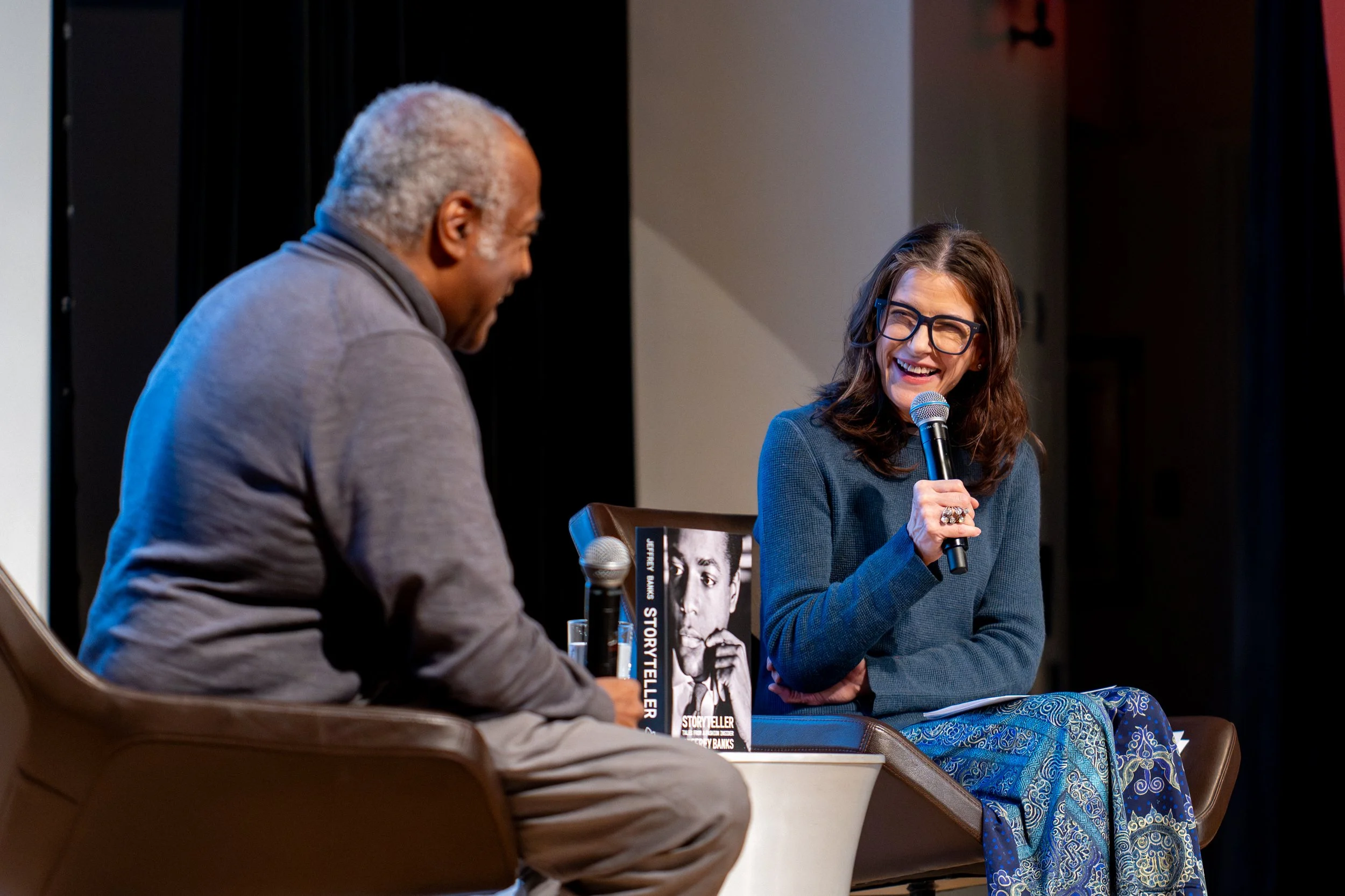
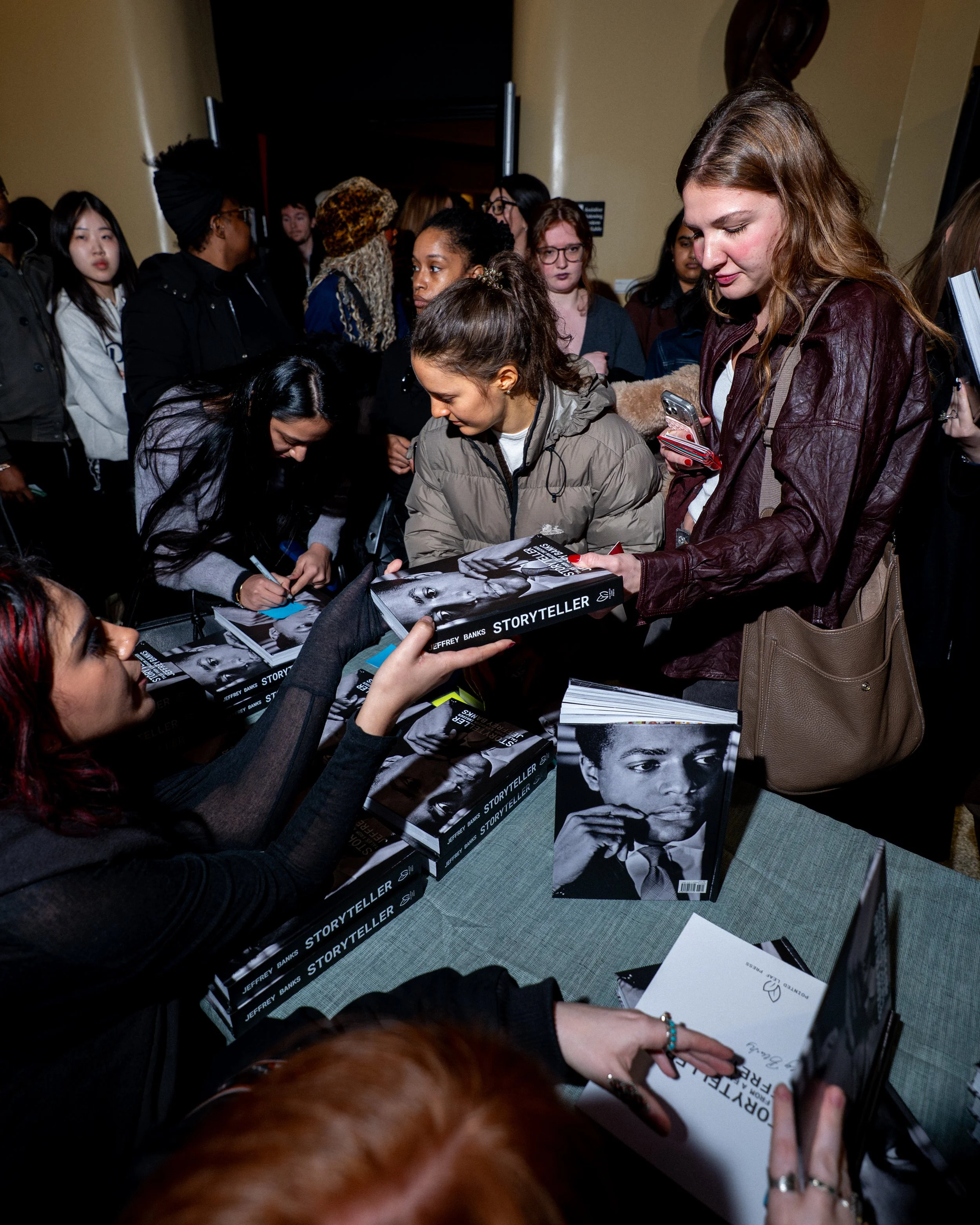
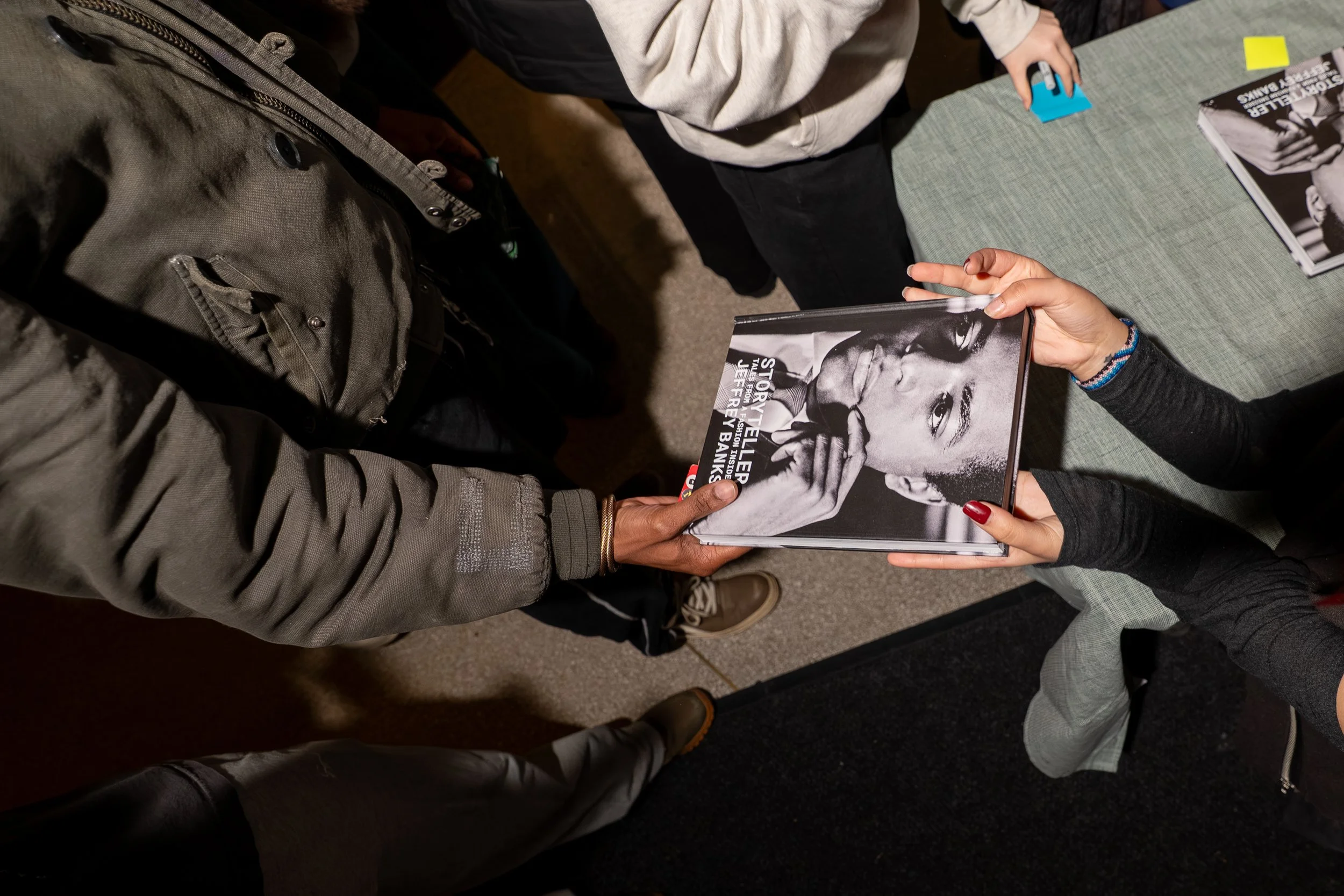
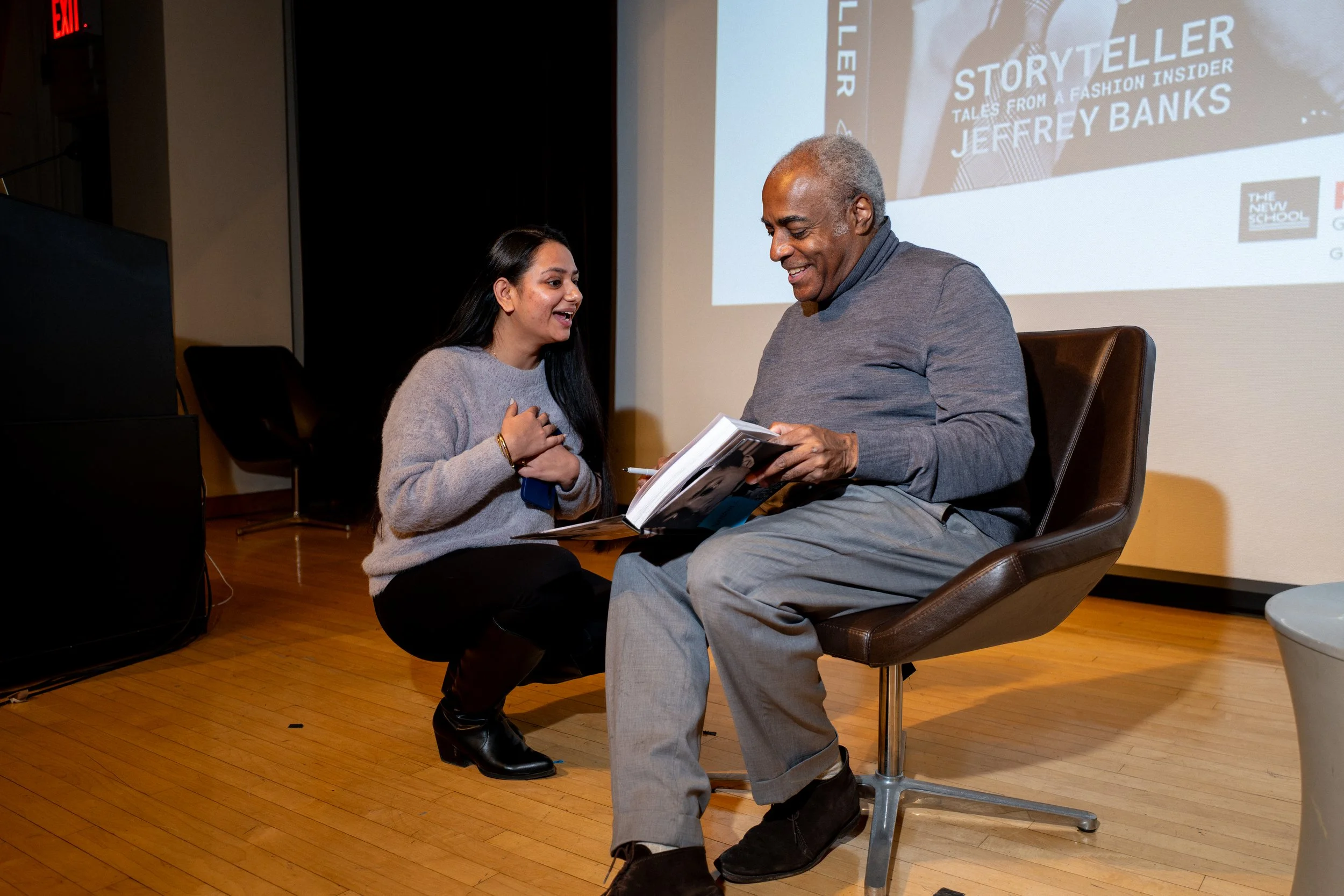
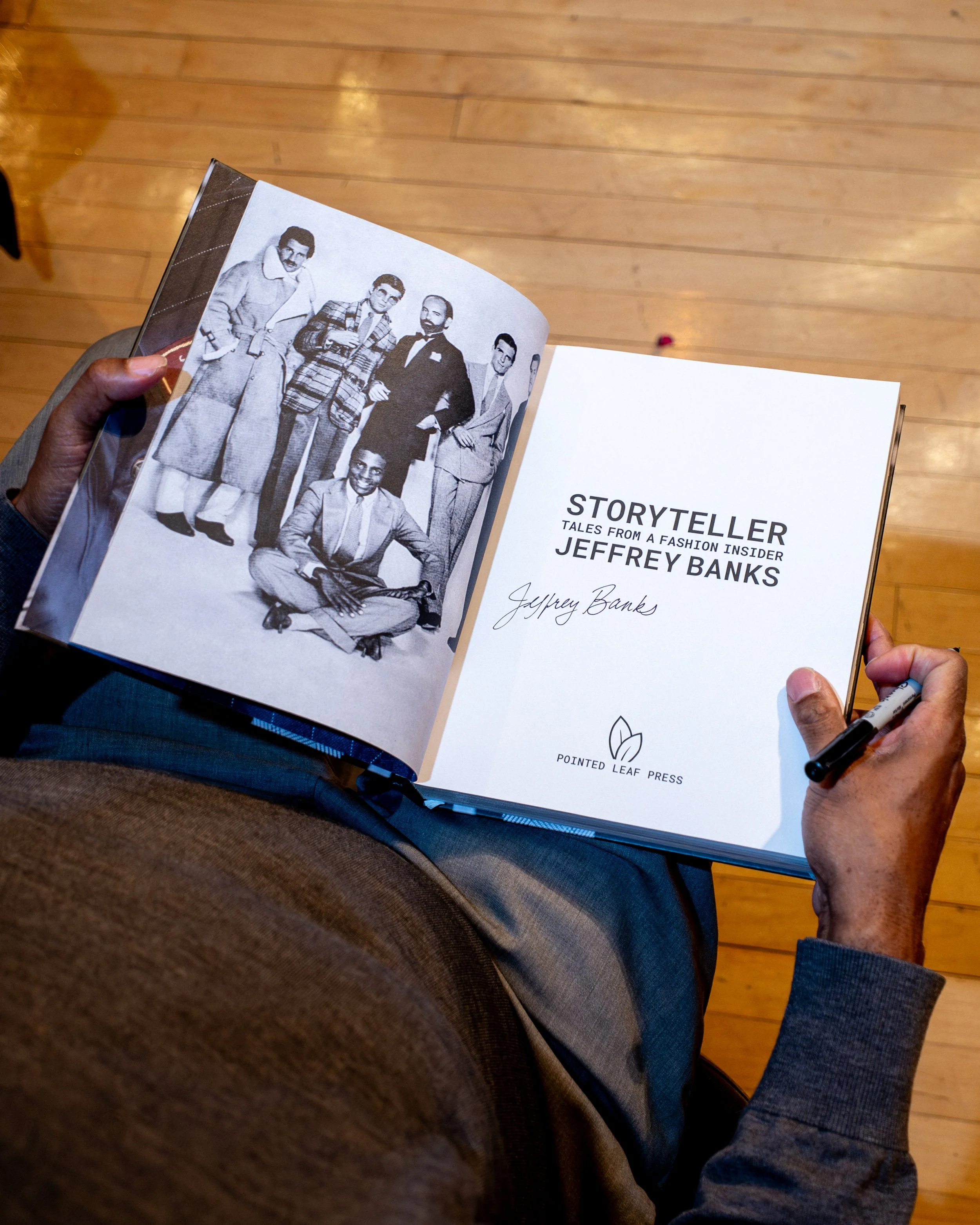
Storyteller: Tales from a Fashion Insider
Inheritance. What you receive, what you pass on, and what you make of what you were given. For Jeffrey Banks, it was his mother's taste, his father's precision, Ralph Lauren's integrity, Calvin Klein's instinct, and Perry Ellis's friendship. Every relationship became material. Every room he entered left something behind.
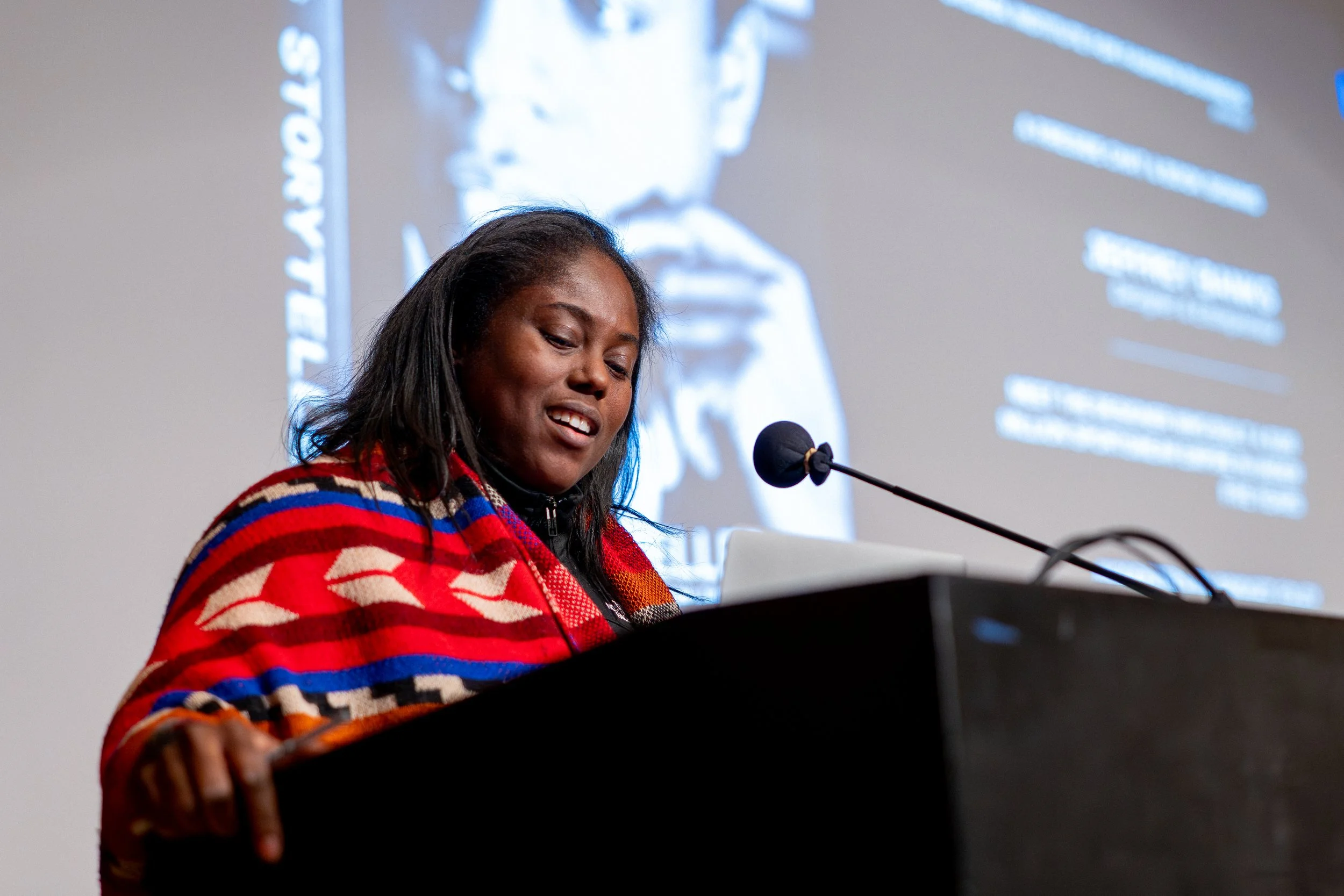
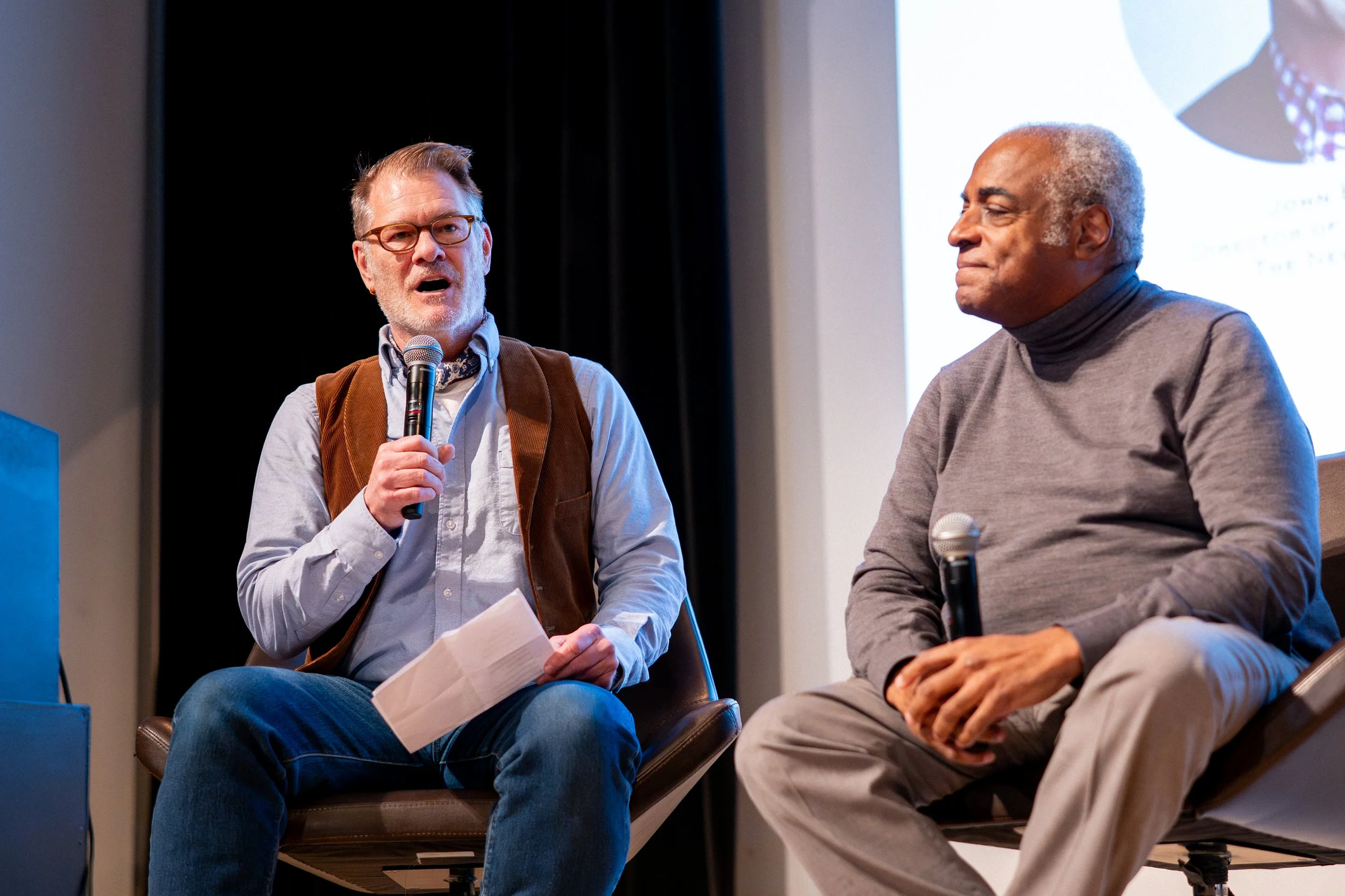
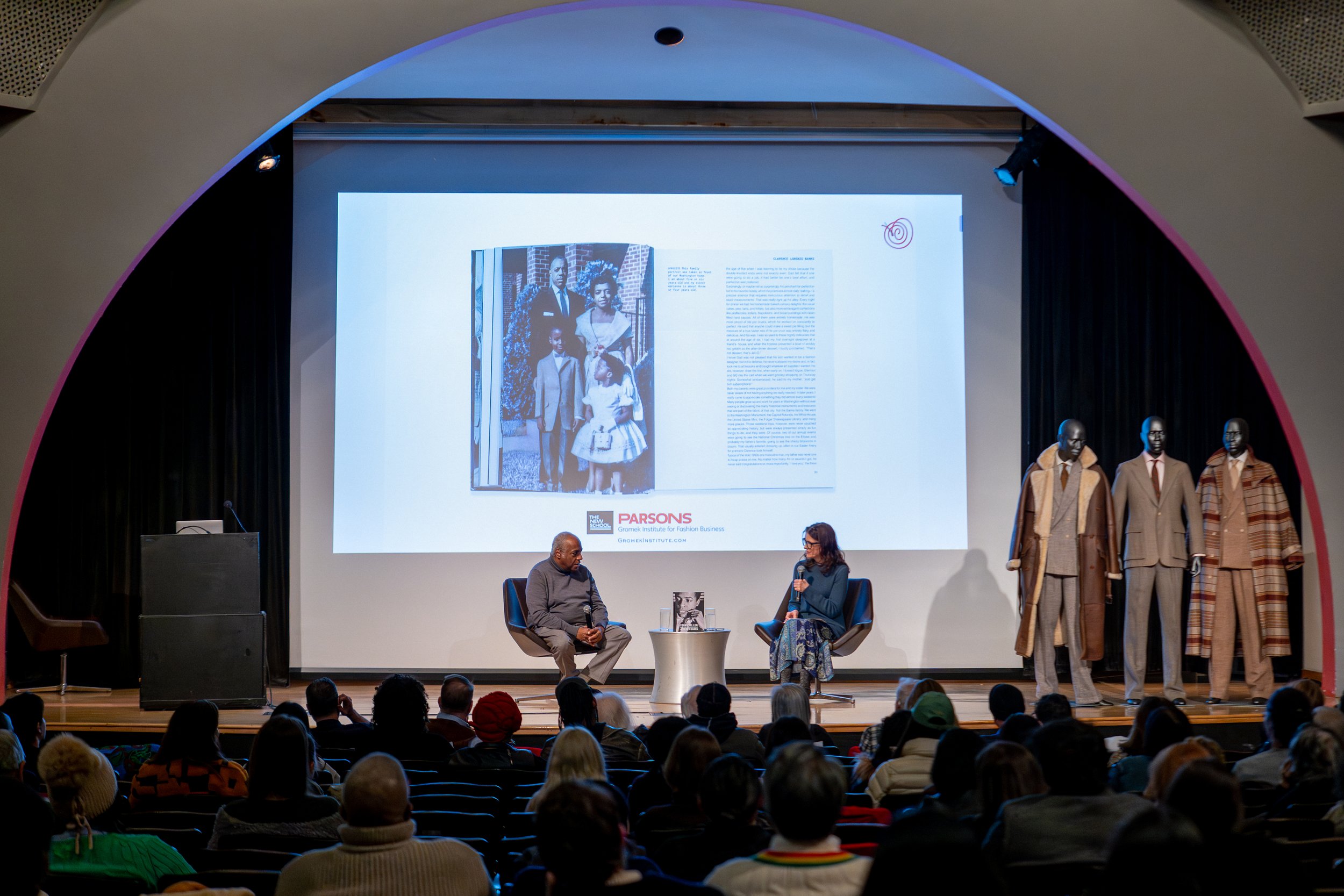
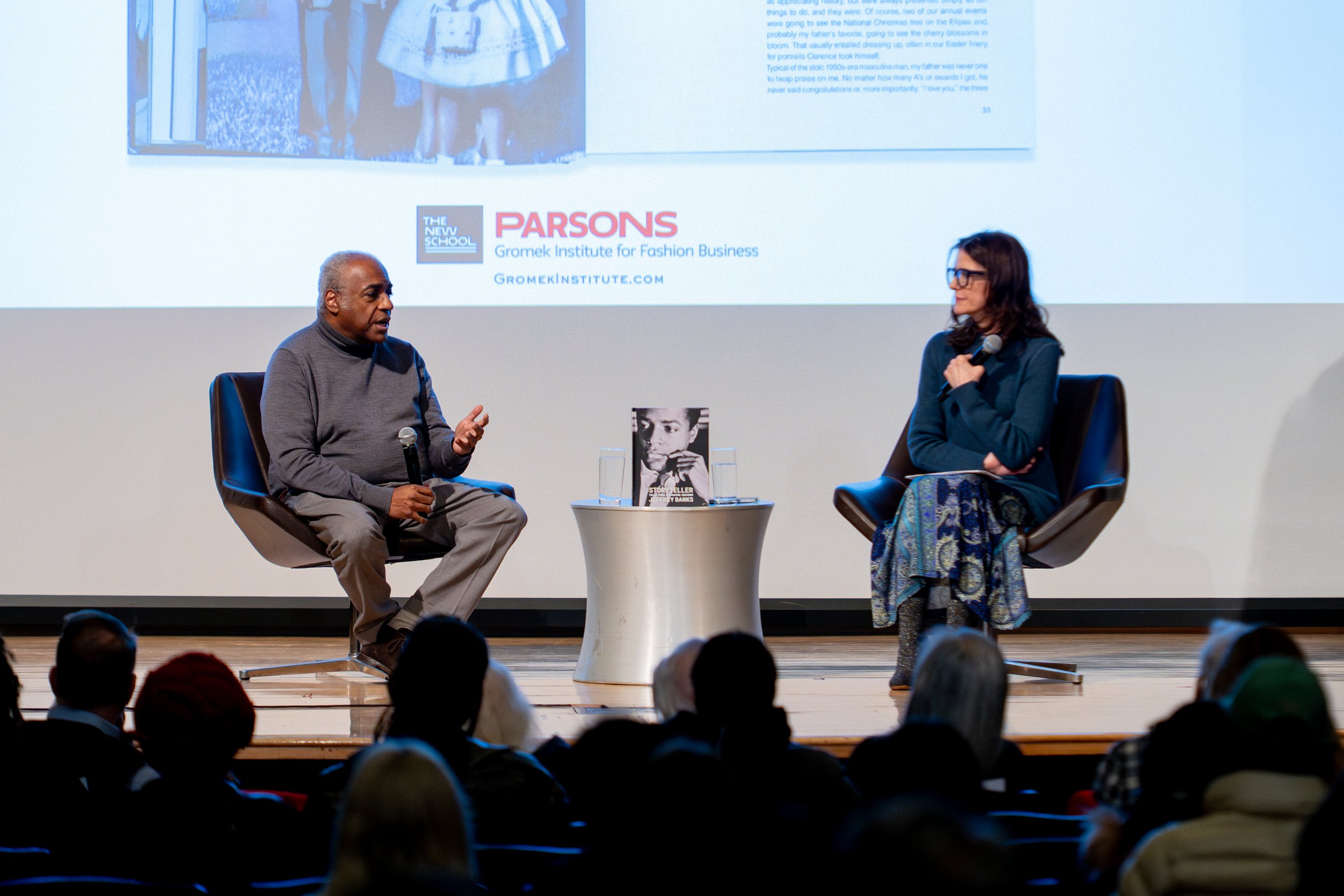
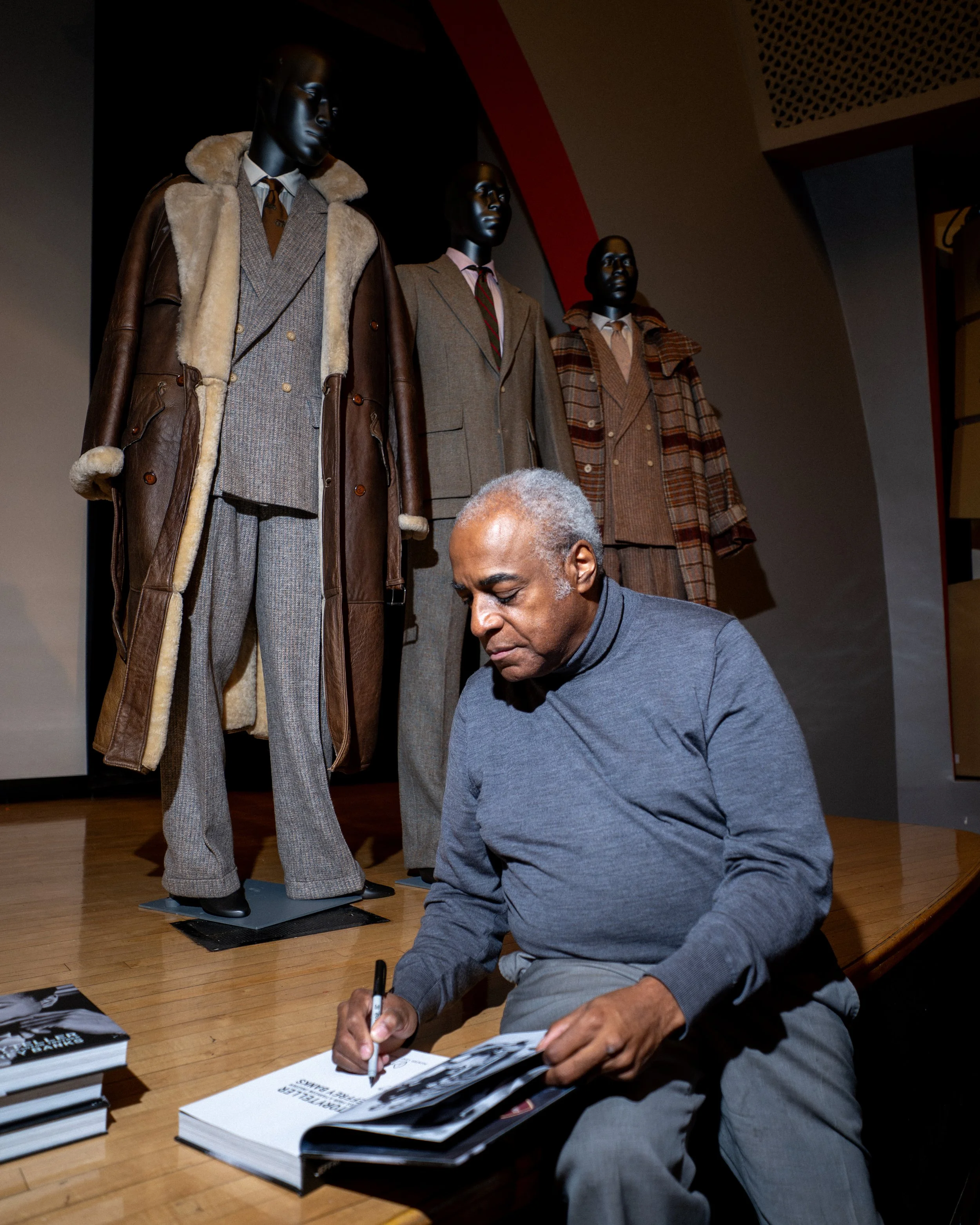
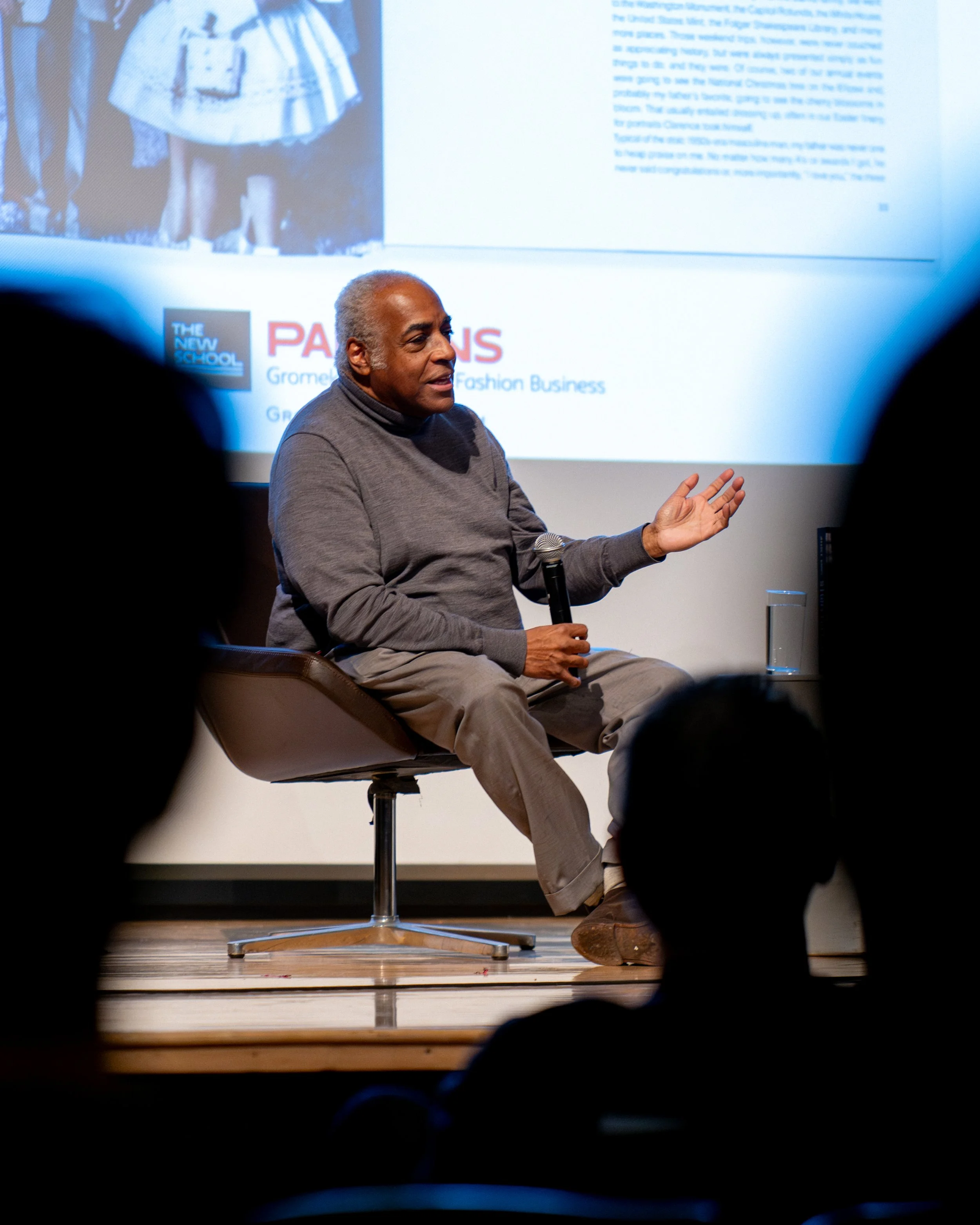
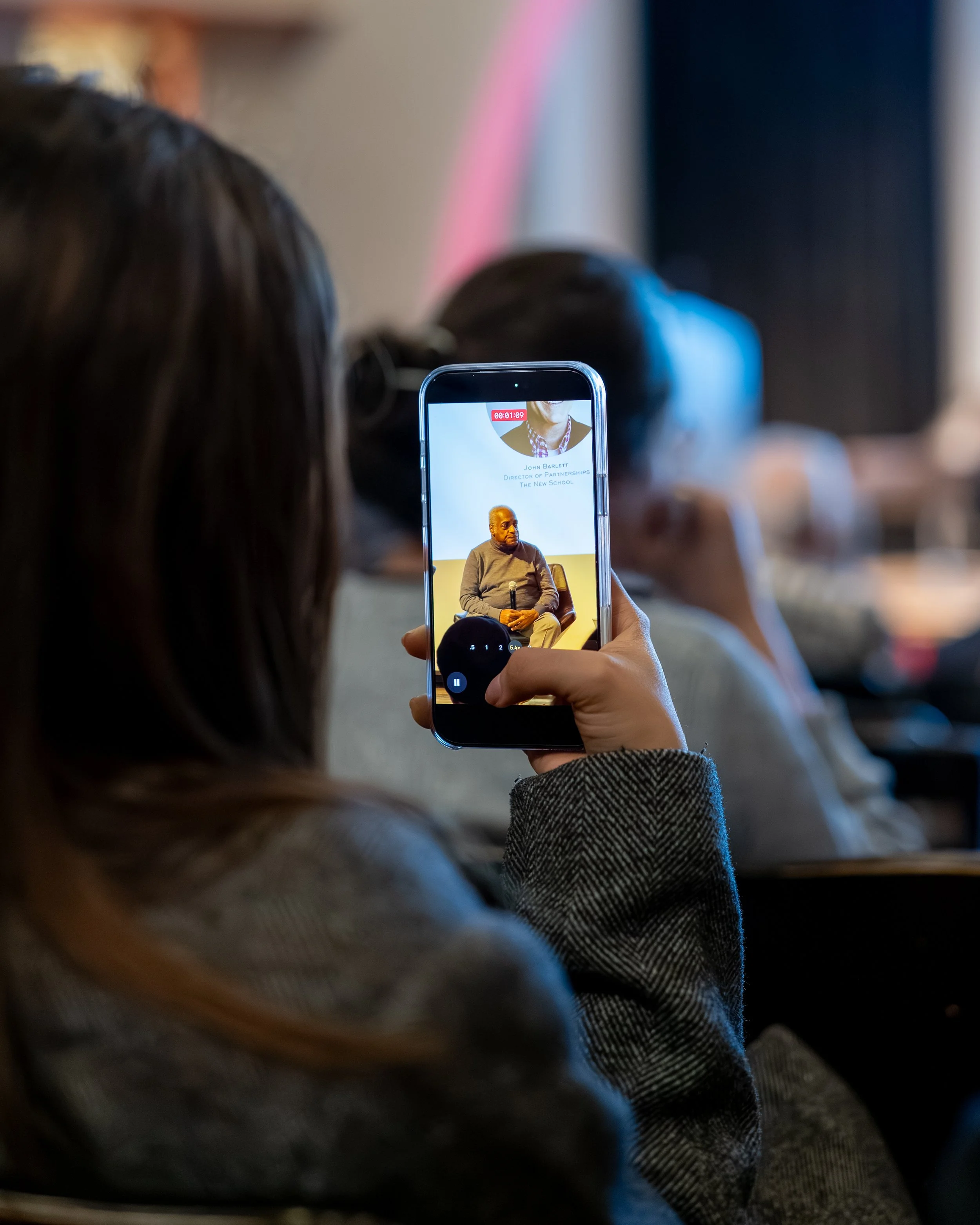
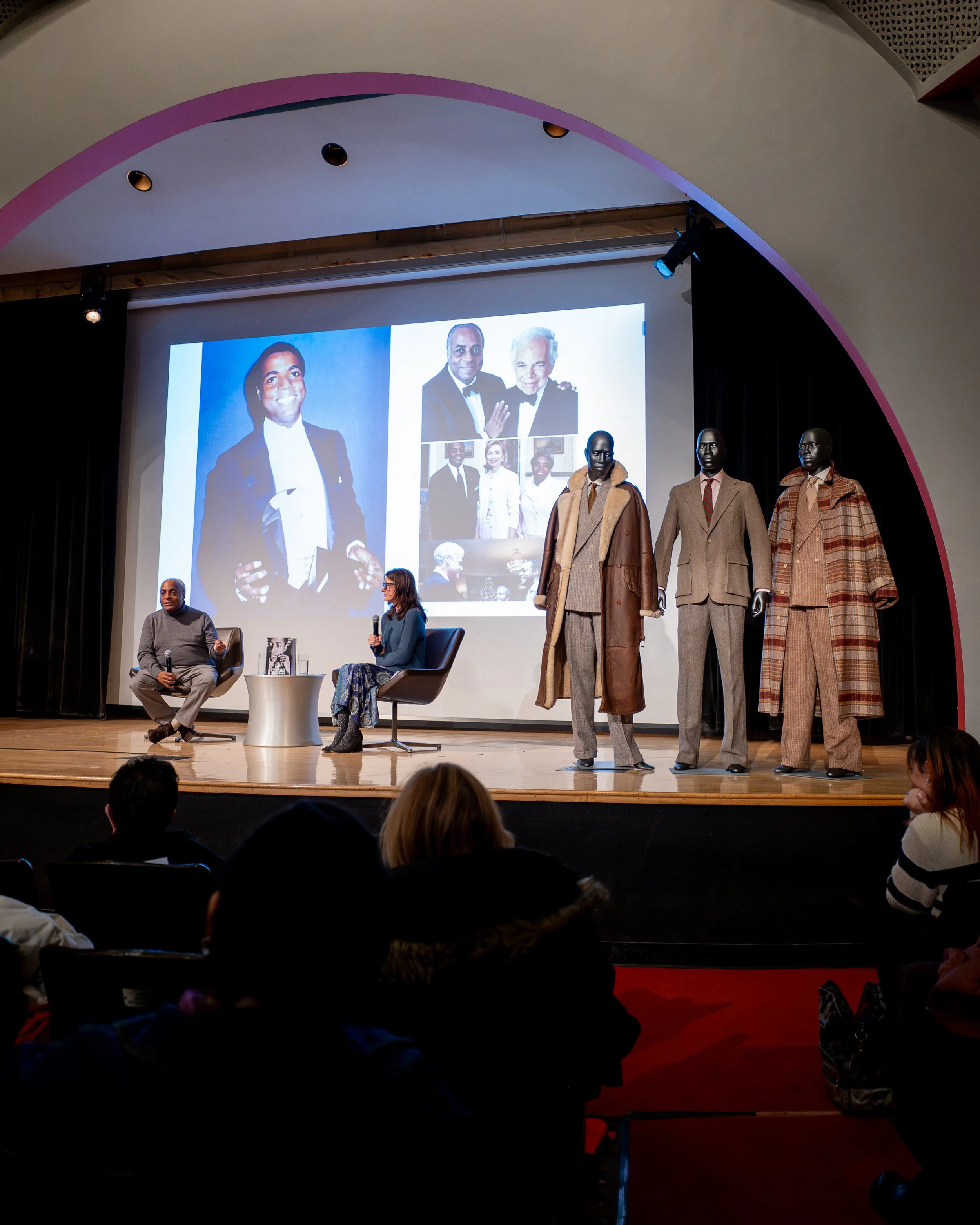
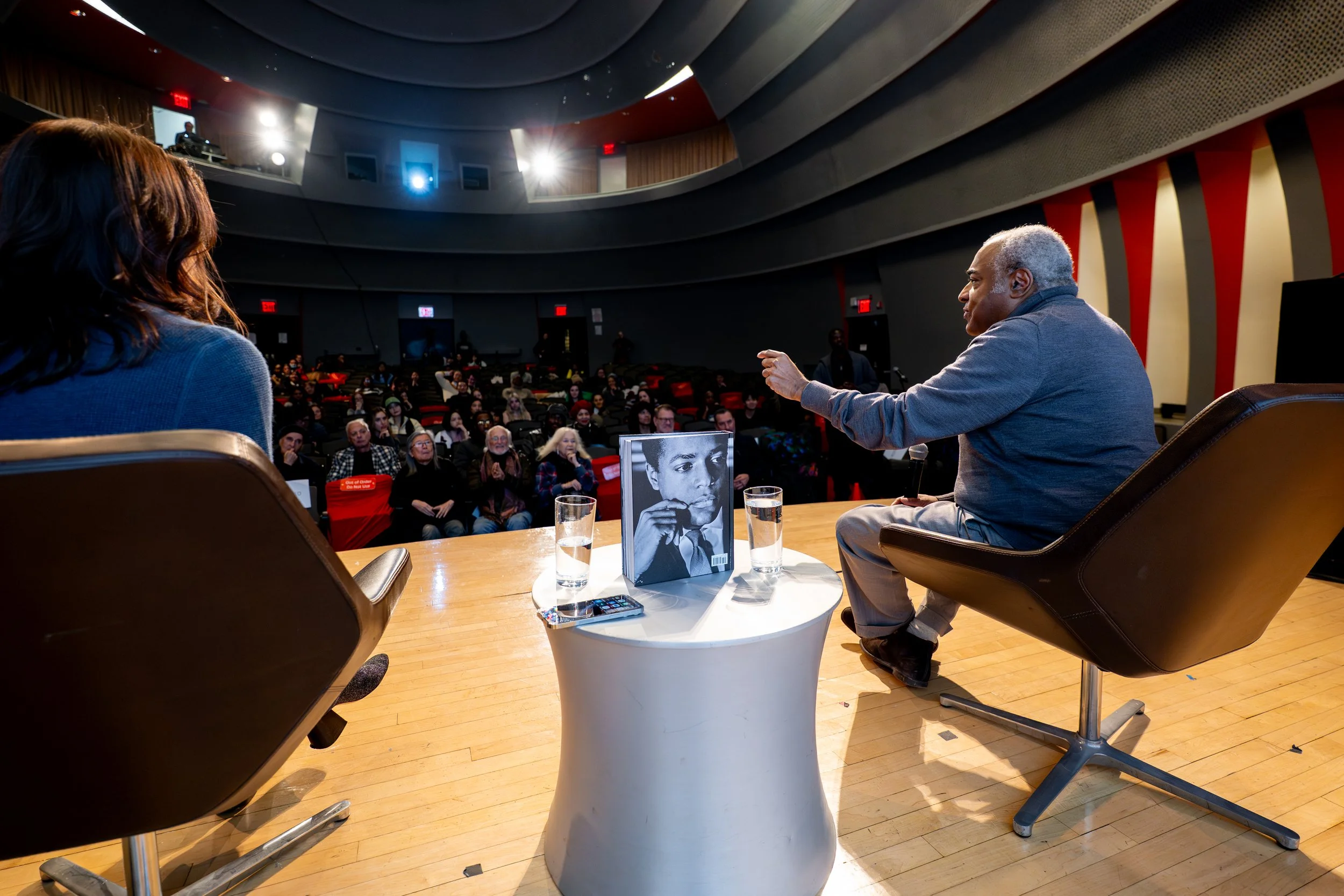
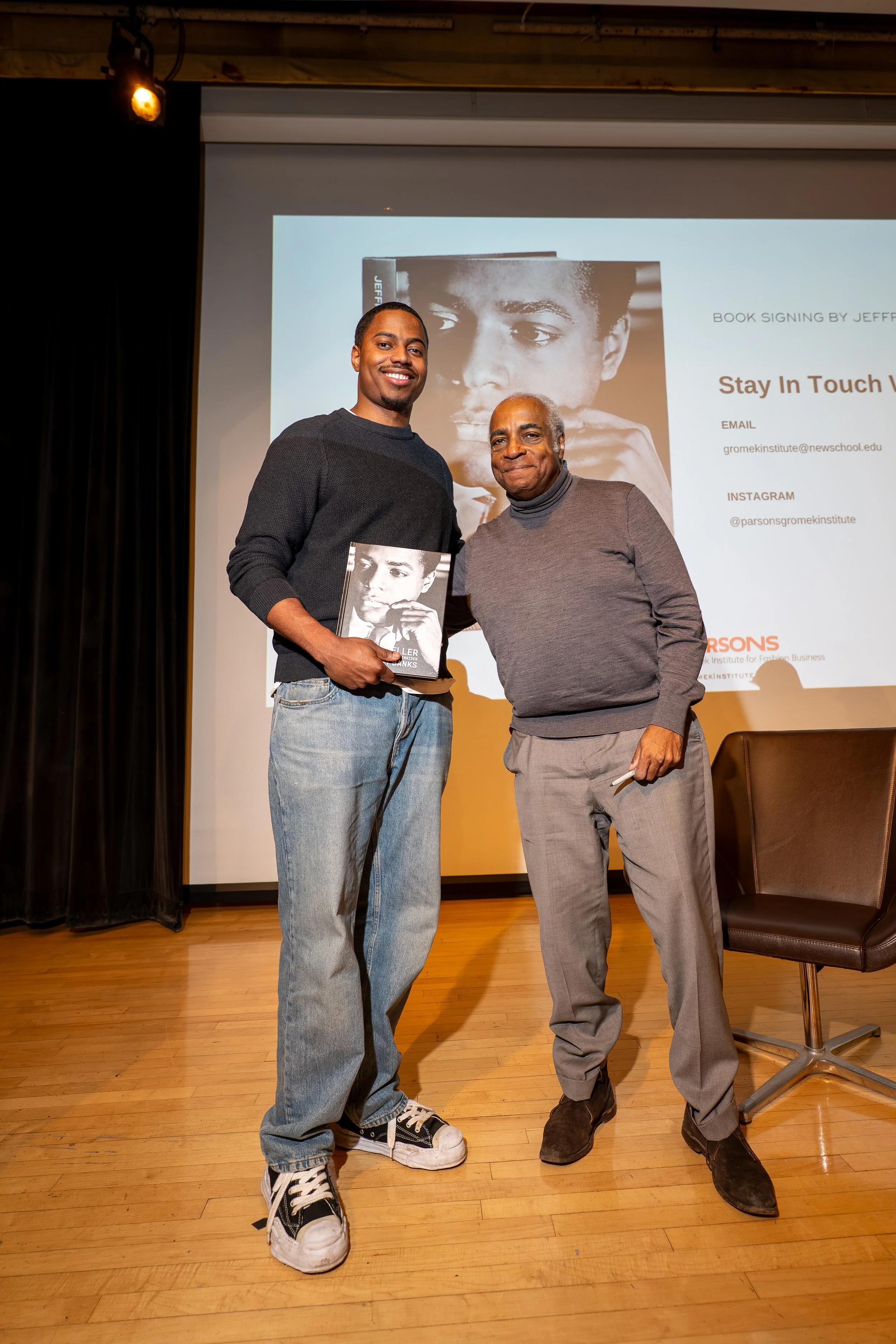
The School of Fashion and the Gromek Institute for Fashion Business welcomed Banks, acclaimed designer, author, and Parsons alumnus, back to his alma mater to celebrate the launch of Storyteller: Tales from a Fashion Insider. Legendary journalist Bridget Foley led the conversation, while designer and Parsons faculty member John Bartlett helped set its tone. The evening became something larger than a book talk. It became a portrait of a creative life shaped not only by talent, but by judgment, timing, and the ability to move between imagination and industry without losing sight of either.
A Life in Fashion
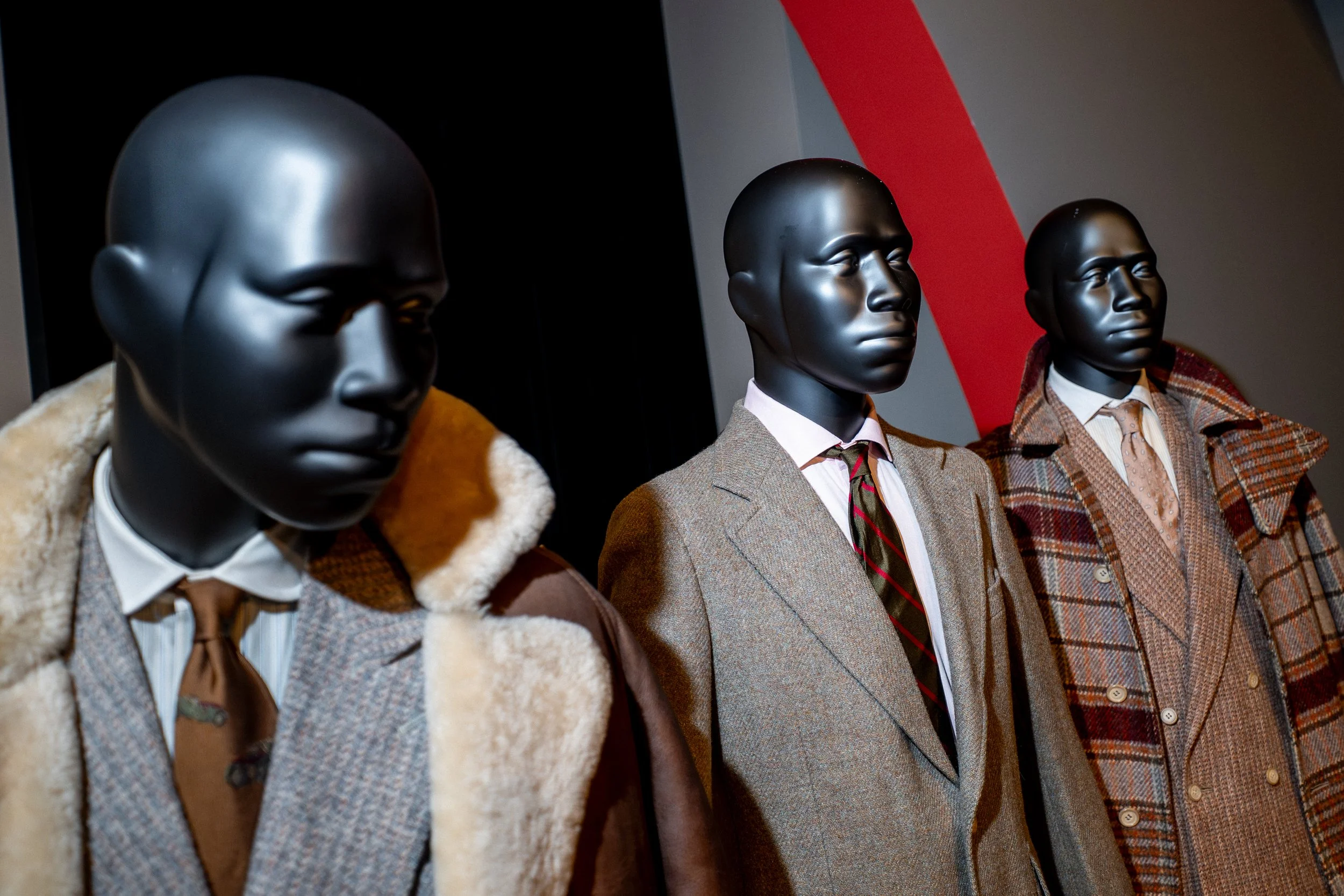
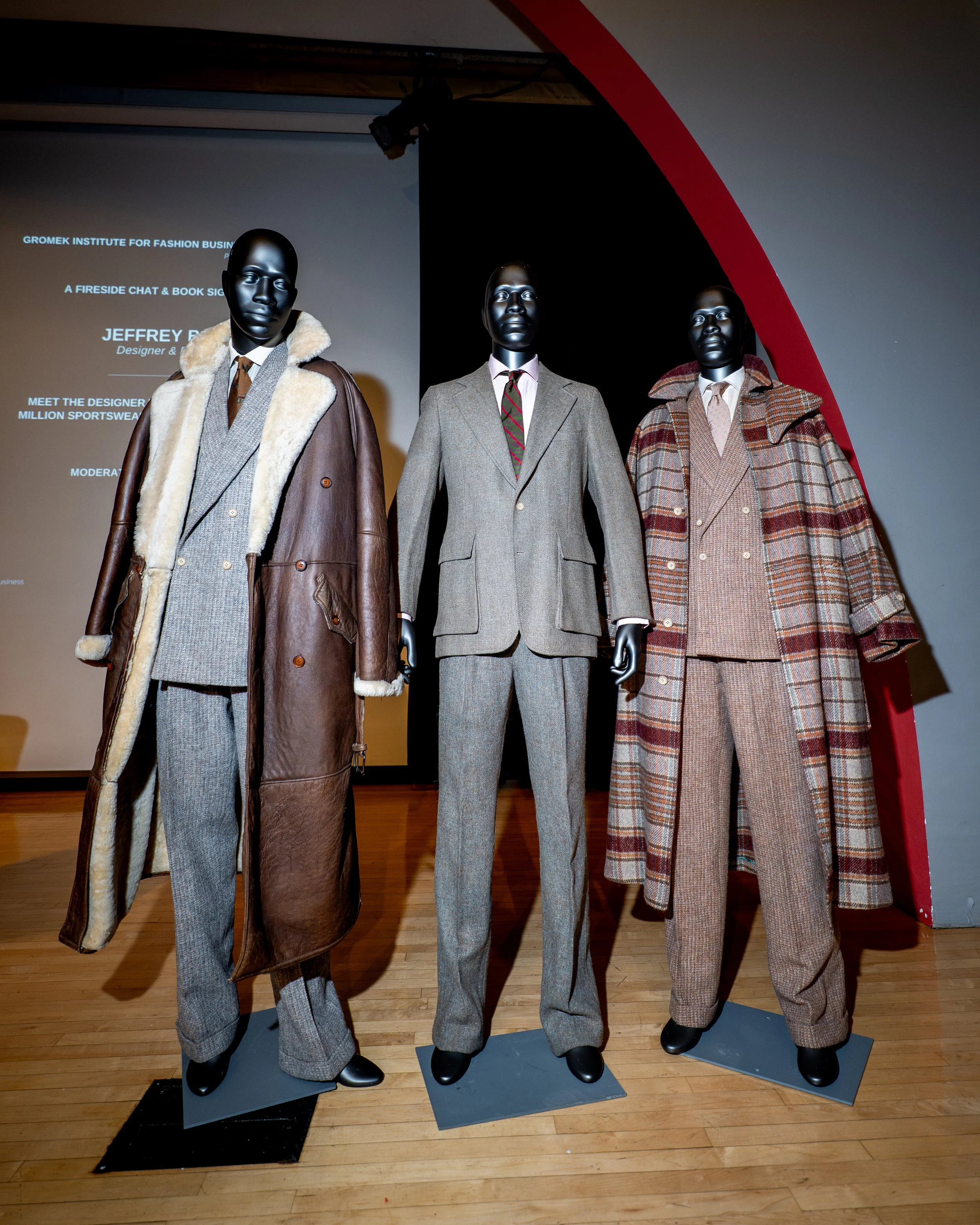
From the start, the evening carried a sense of occasion. Three looks from the 1980s stood on stage throughout, all recently returned from the Metropolitan Museum of Art's Superfine: Tailoring Black Style. Banks was described that night as a mentor, an illuminator, and fashion's best friend, someone whose creativity had never stayed fixed in one form.
He has never treated fashion as a single discipline. Banks has designed menswear, womenswear, childrenswear, furs, accessories, and home. He has written books on tartan, preppy style, and Perry Ellis. He has worked for Ralph Lauren and Calvin Klein, built his own company, won a Coty Award at 22, and, decades later, returned with a new venture under his own name. His career argued for something broader than specialization: a life built through reinvention, fluency, and the refusal to separate the creative from the commercial.
Creativity and Commerce
Banks understood early what many designers resist: commercial success does not compromise creativity. It sharpens it.
For Banks, design was never only about having taste. It was about answering a series of problems clearly and well, from product and price to positioning and desire.
He spoke with admiration about what each mentor gave him. Ralph Lauren taught him the value of uncompromising quality, a man who would not bend on a button, a fabric, or the way something was made. Calvin Klein taught him something else entirely: how to understand what people wanted before they knew they wanted it. Fancy underwear. Designer jeans. A his-and-hers fragrance sold at the checkout counter of a record store. Calvin saw the desire before the market did.
When Banks left to start his own company at 21, it was Calvin who told him to go. "You'd be a fool not to do this," he recalled. "And if it doesn't work out, you can always come back."
That confidence ran through the stories he shared. There was the teenage Banks driving to the airport to pick up Ralph Lauren, changing a flat tire on the way, then telling jokes the entire ride back to lift the mood after a shipment of framed gifts arrived shattered. There was the 18-year-old entrusted with designing a full Coty Awards presentation, black-and-white, Fred Astaire as the reference, while Ralph stepped back and let him work. The deeper pattern was clear: Banks showed up prepared, paid attention, recognized an opening, and made himself useful.
A Conversation with Students
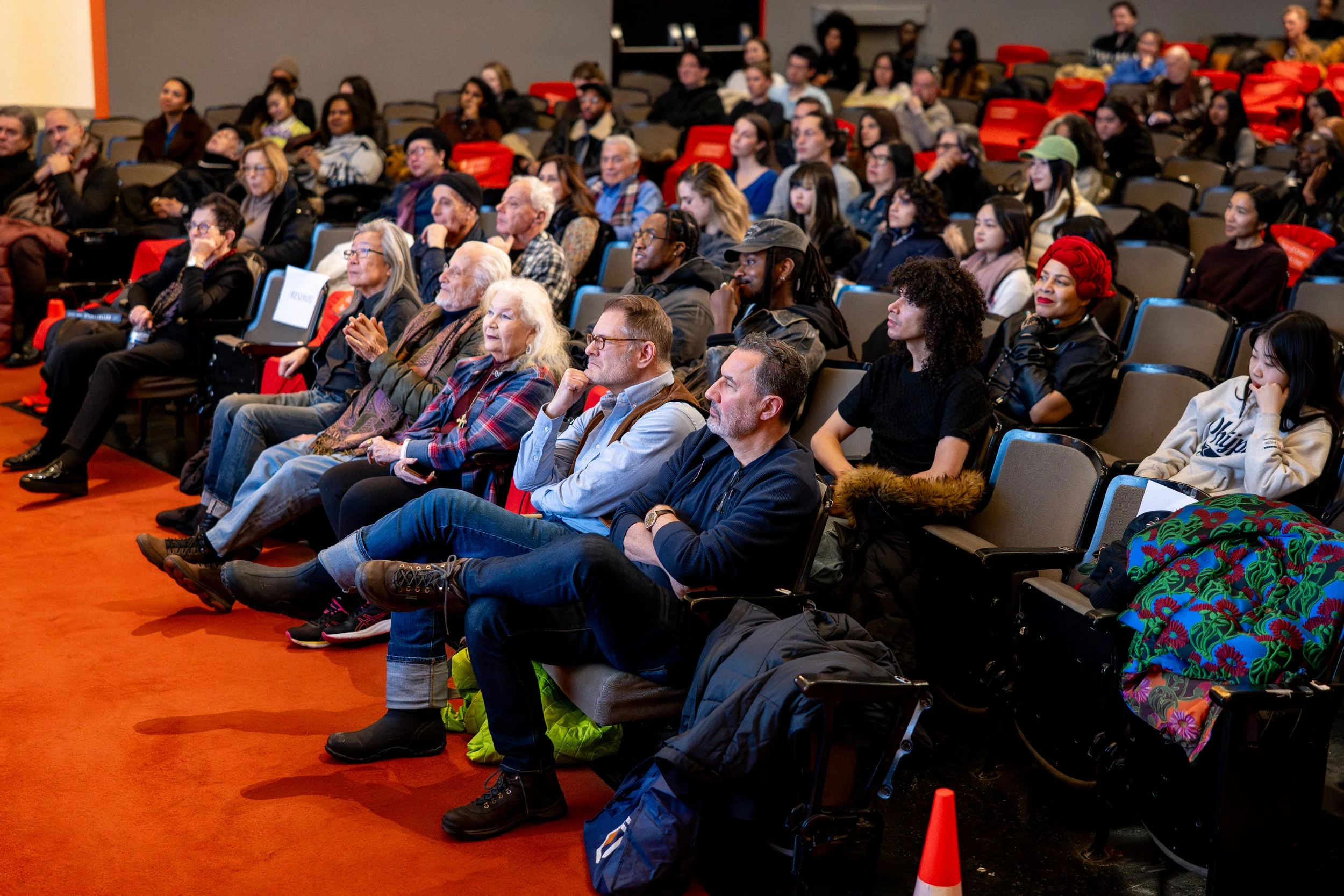
The Q&A offered current students a chance to engage Banks not as a legend, but as someone whose experience still speaks directly to the realities they are facing now.
They asked how his early years under Ralph Lauren shaped his design process, how a creative manages burnout while still meeting commercial demands, whether bespoke tailoring can survive, what AI will mean for the designers coming up now, and, in one of the evening's most honest moments, what it cost him personally to live through the AIDS crisis and lose so many of the people who should have been standing beside him.
Banks met every question with candor and precision. On creativity, he rejected the idea that inspiration is hard to find, especially in New York. "All you have to do is open your eyes," he said. The greater challenge, in his view, is execution: getting the work made well, making it commercially viable, and understanding that a good idea alone is never enough.
On AI, he was measured. Technology may change the process, he suggested, but not the need for vision. On careers, his advice was especially direct: research the company, present yourself well, and go into an interview prepared to explain what you can contribute. "What are you going to do to help that company grow?" he asked.
Even when students voiced the quieter fear of being behind, Banks resisted the pressure to rush. "Don't be in a hurry. Soak it all in."
Closing Reflections
For students in the room, the lesson was not just about becoming a designer. It was how to become lasting. Jeffrey Banks's career has never depended on novelty alone. It has depended on taste, timing, work, and the rare ability to move between imagination and industry without losing himself to either. That is what gave the evening its real force, and what made Storyteller feel less like a memoir than a blueprint.
"Designers are problem solvers."
It was his way of saying that creativity is not an escape. It is a method for meeting the world as it is and still insisting on possibility.