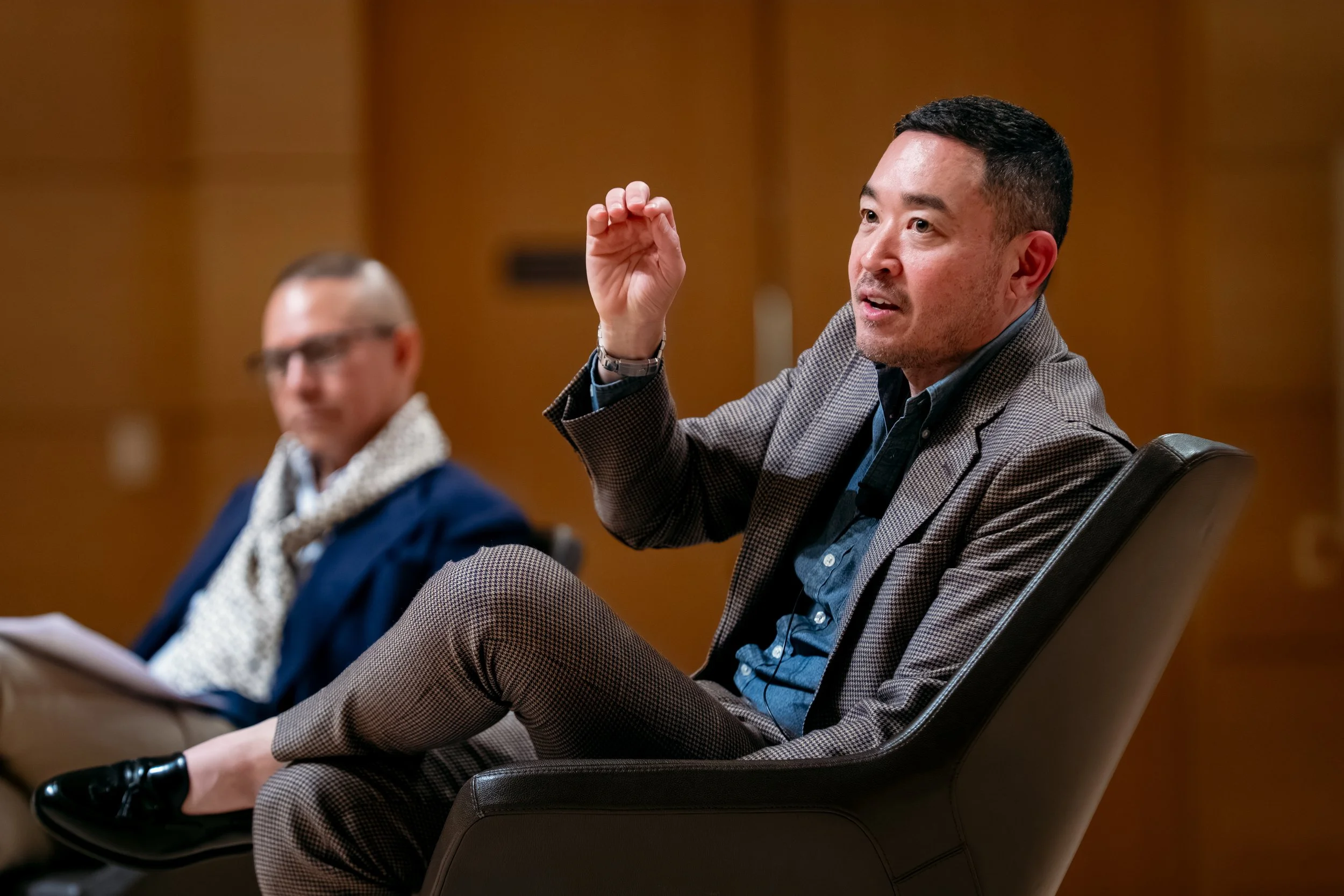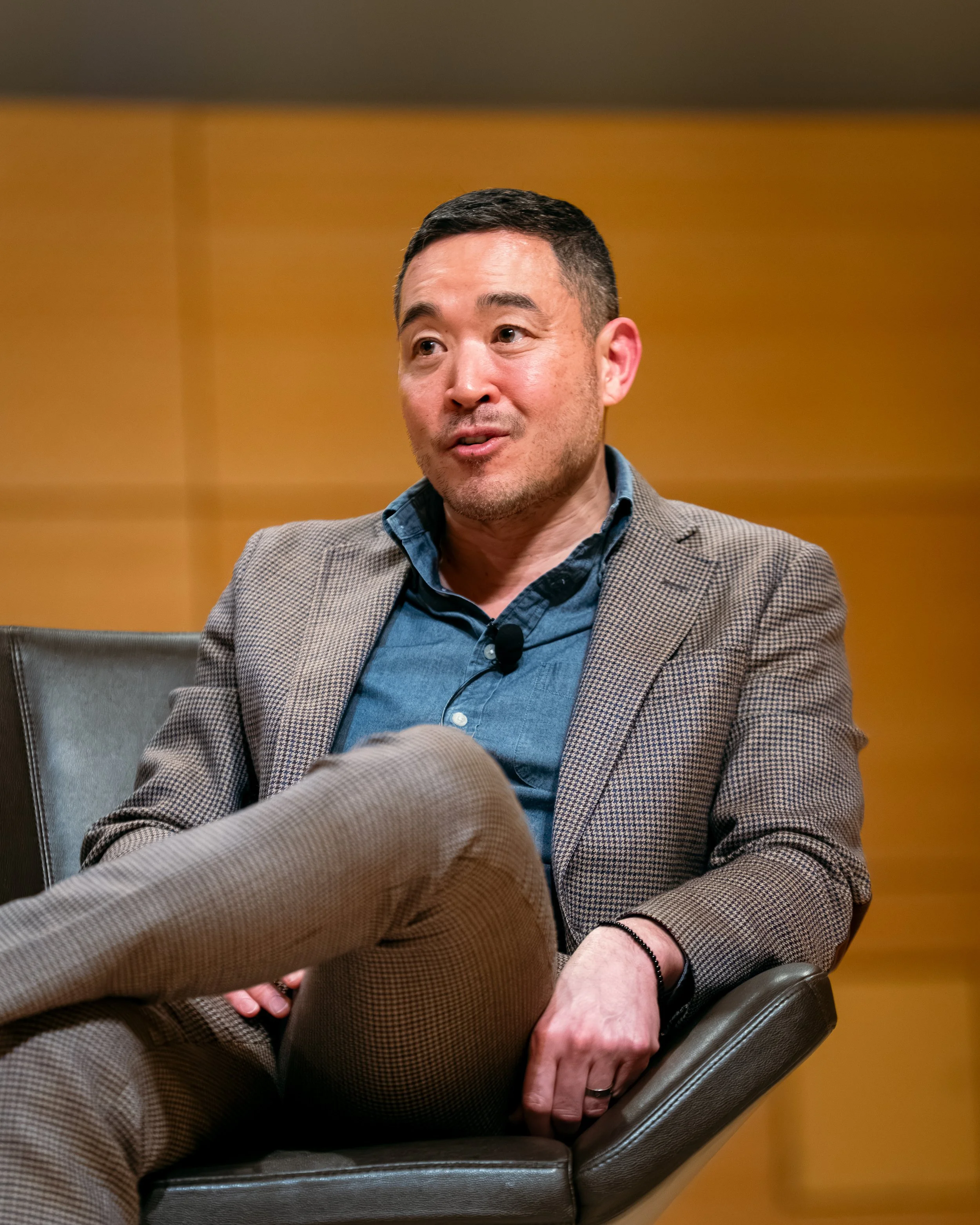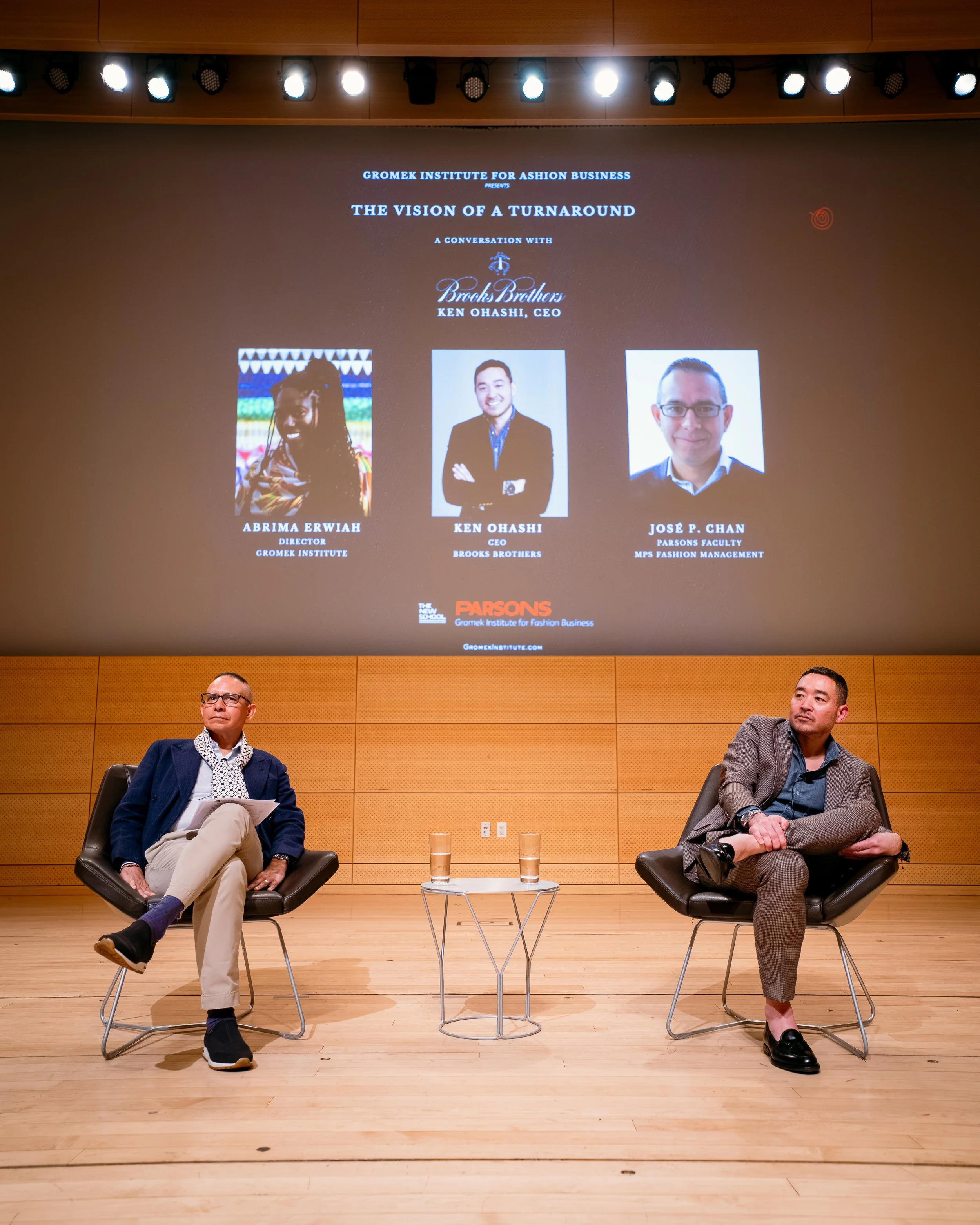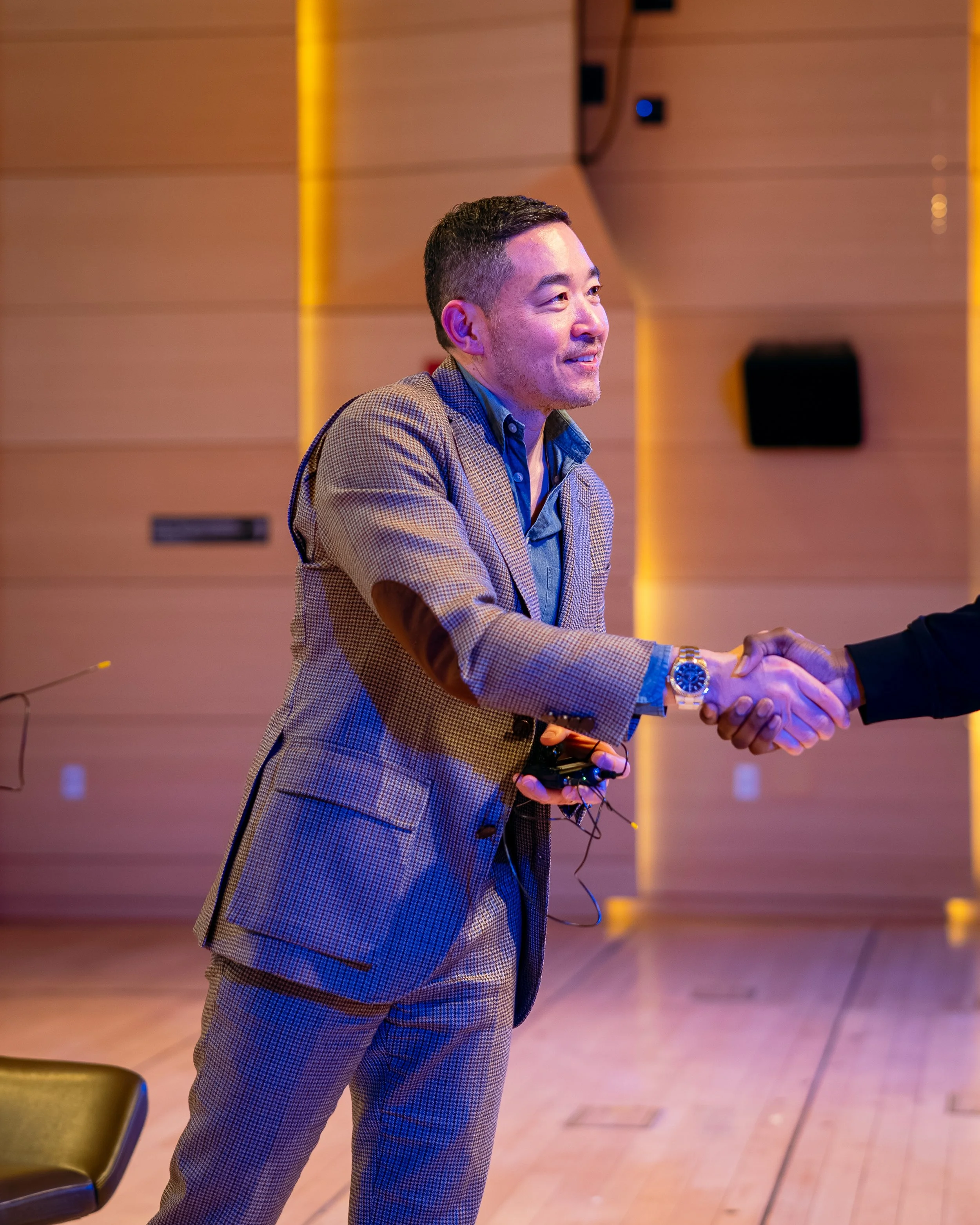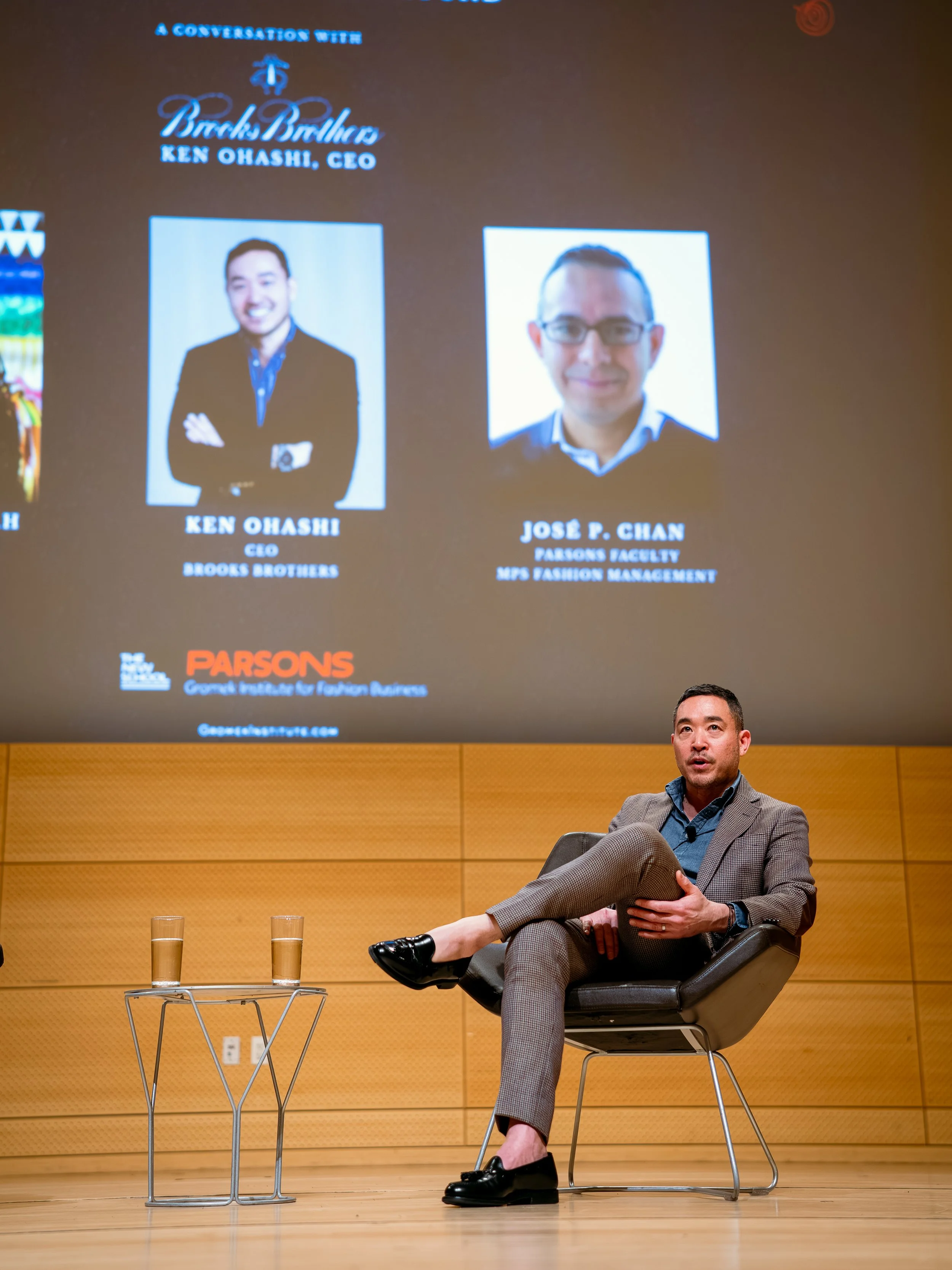
Brooks Brothers CEO, Ken Ohashi, Fireside Chat "The Vision of a Turnaround"
Moderated by José P. Chan
Leading an American Original Into a New Era
"You're all going to be fine."
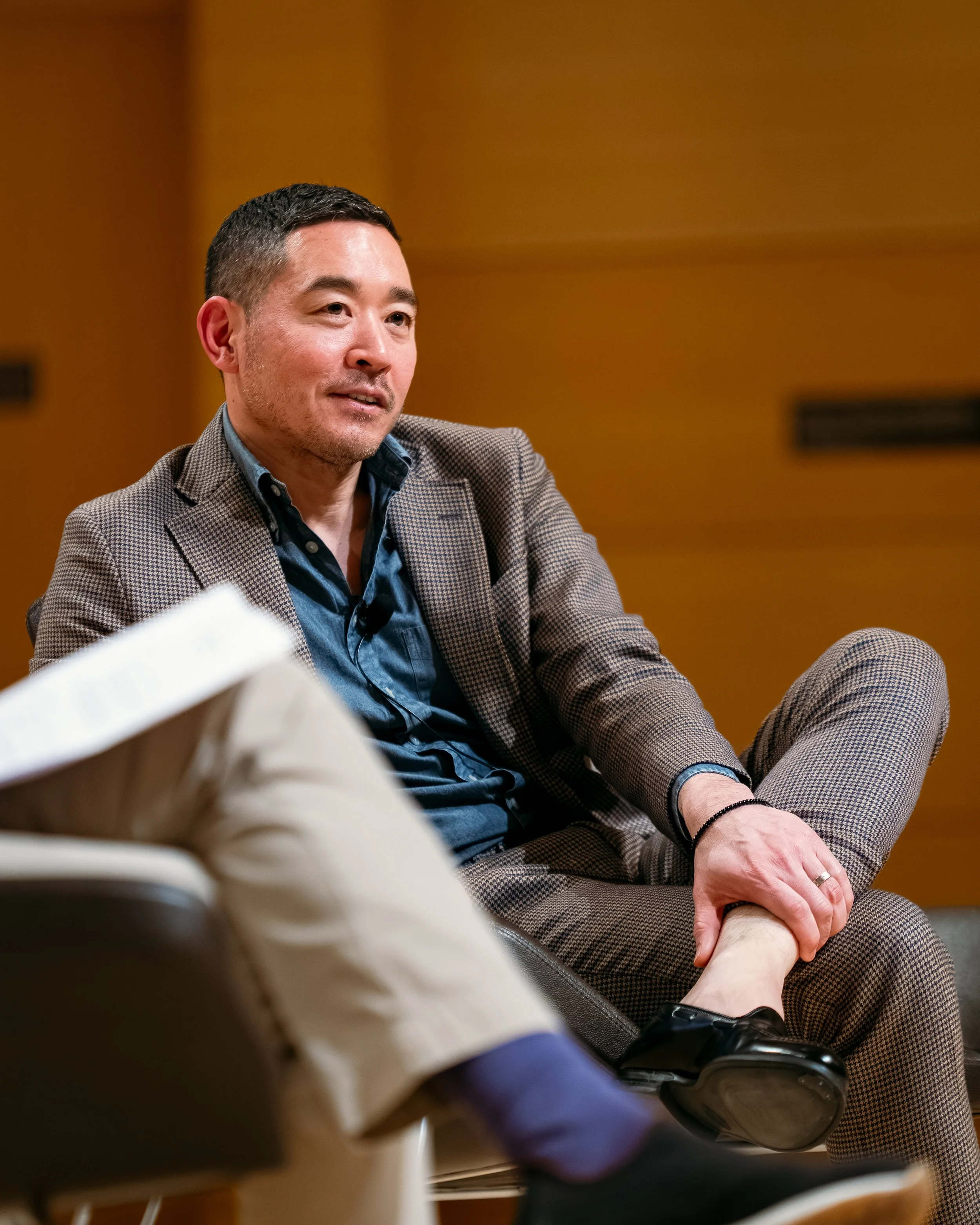
Ken Ohashi said it near the end of the evening, simply, almost in passing. It landed because everything before it had earned it: a career shaped by uncertainty and a legacy company pulled back from bankruptcy.
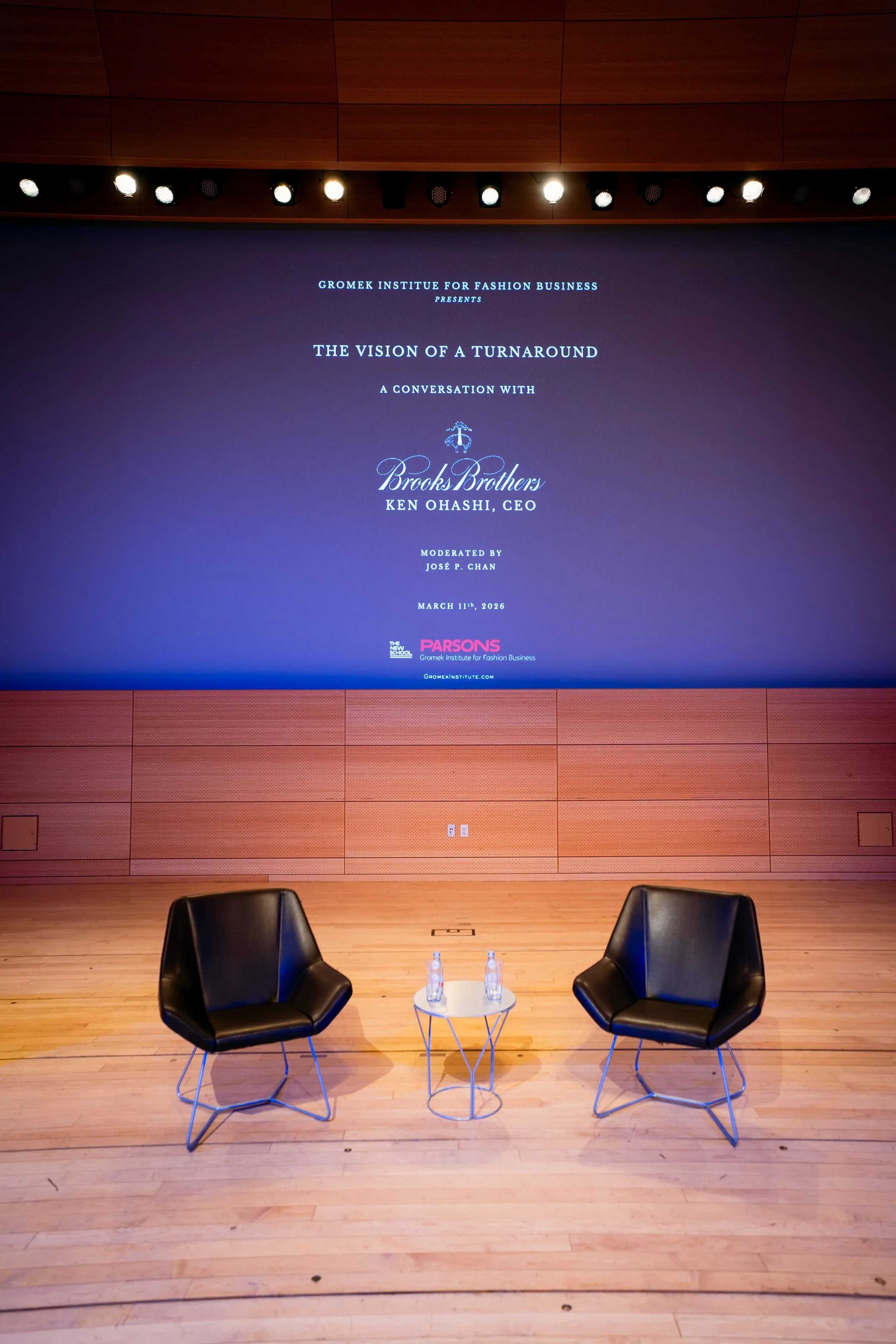
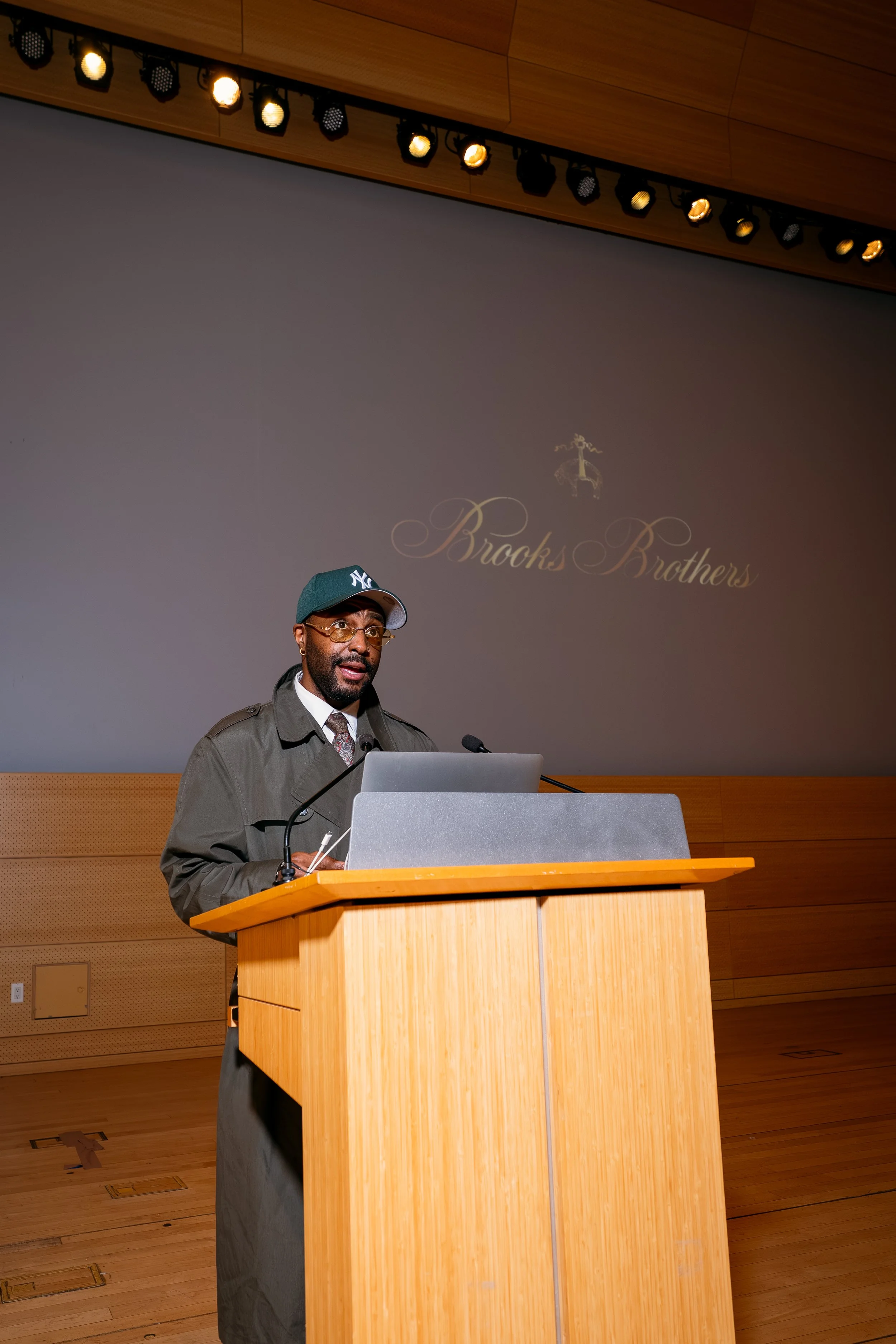
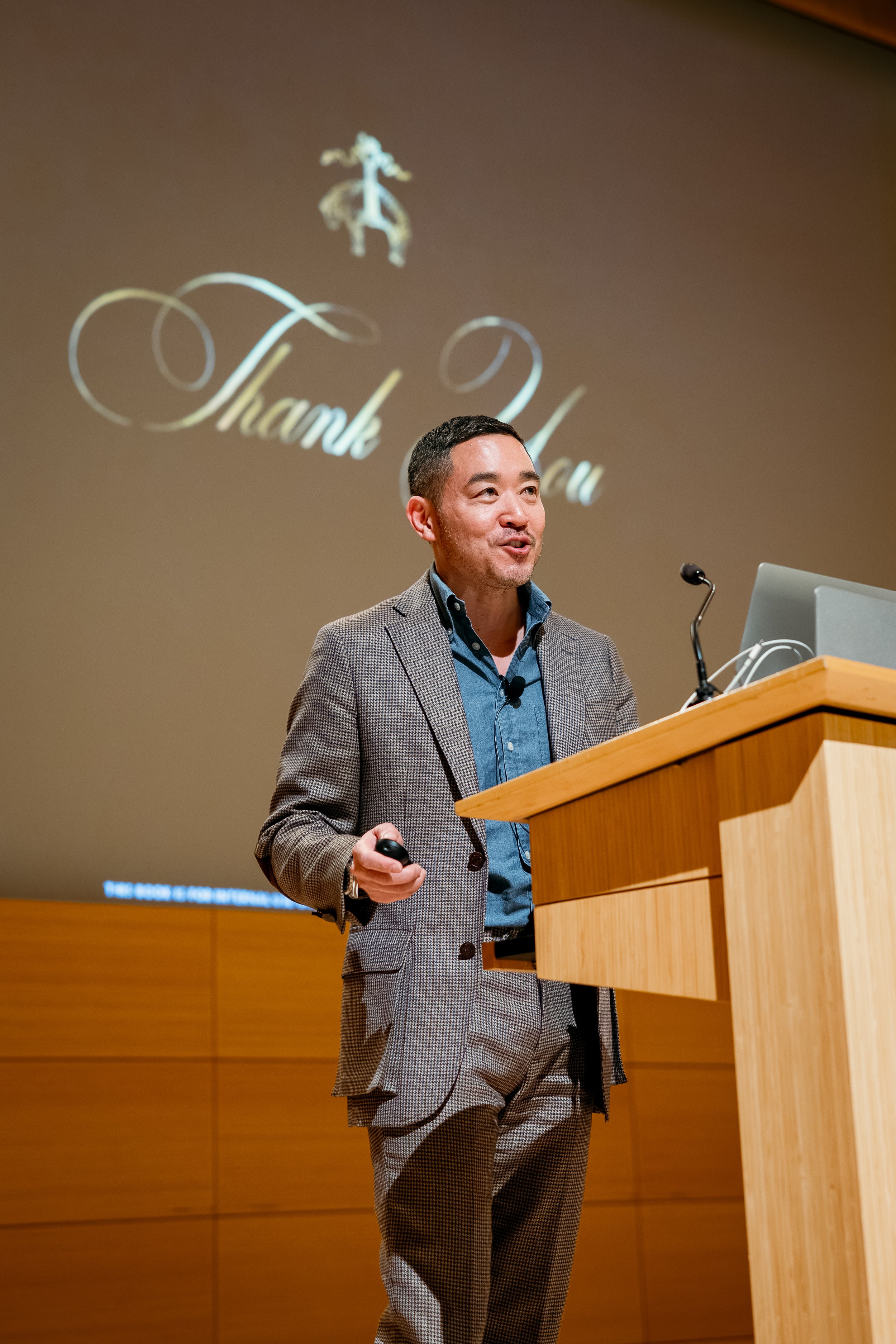
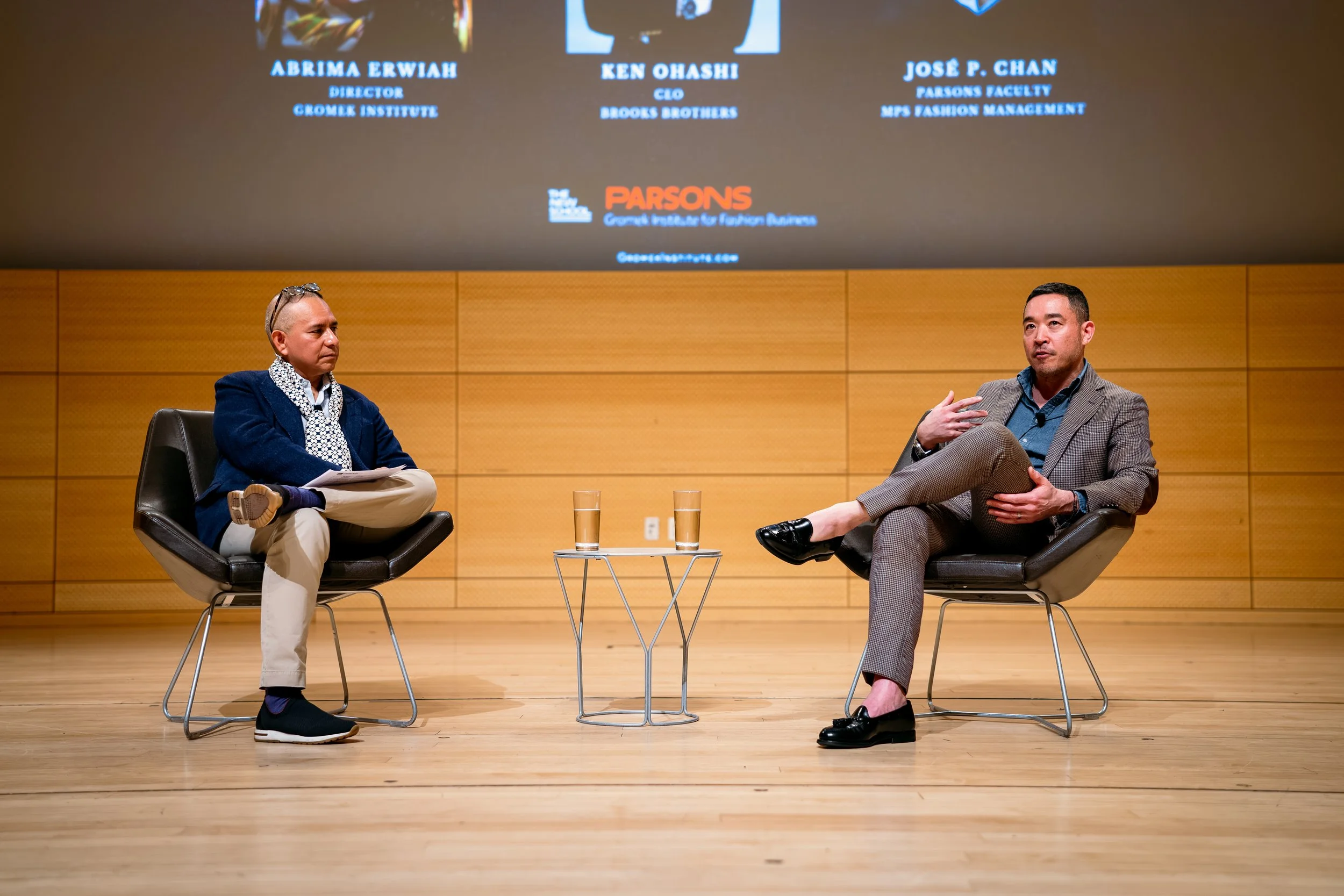
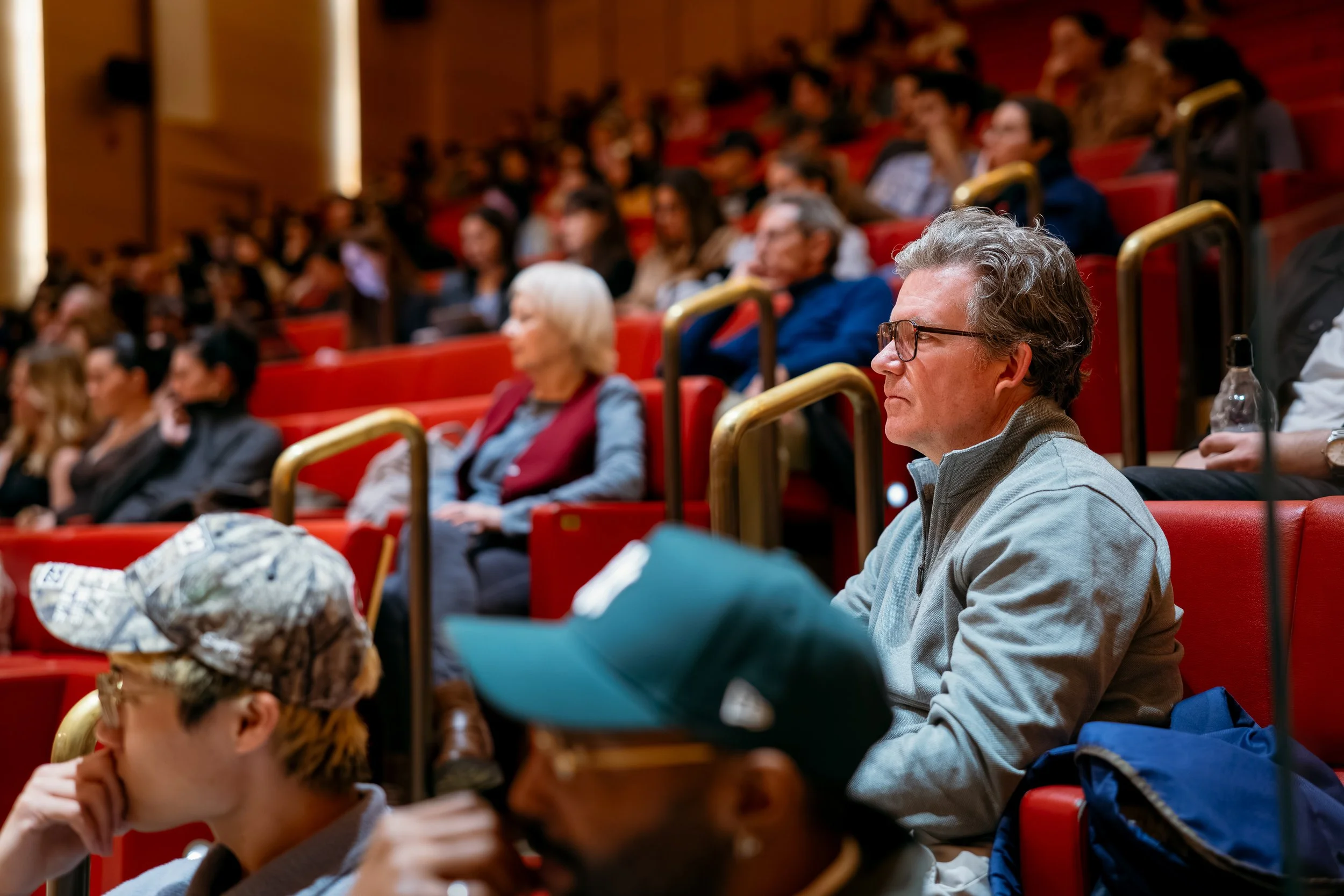
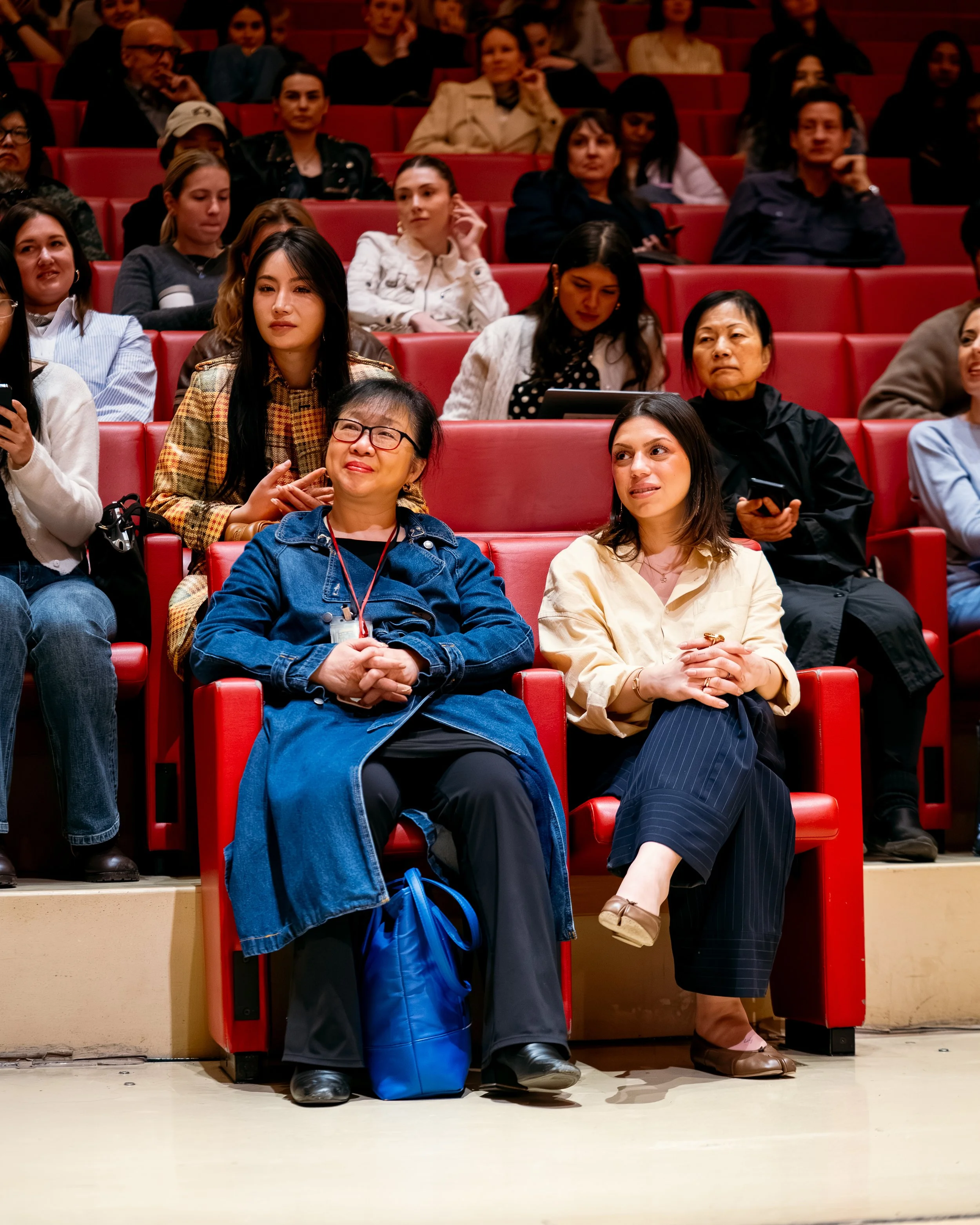
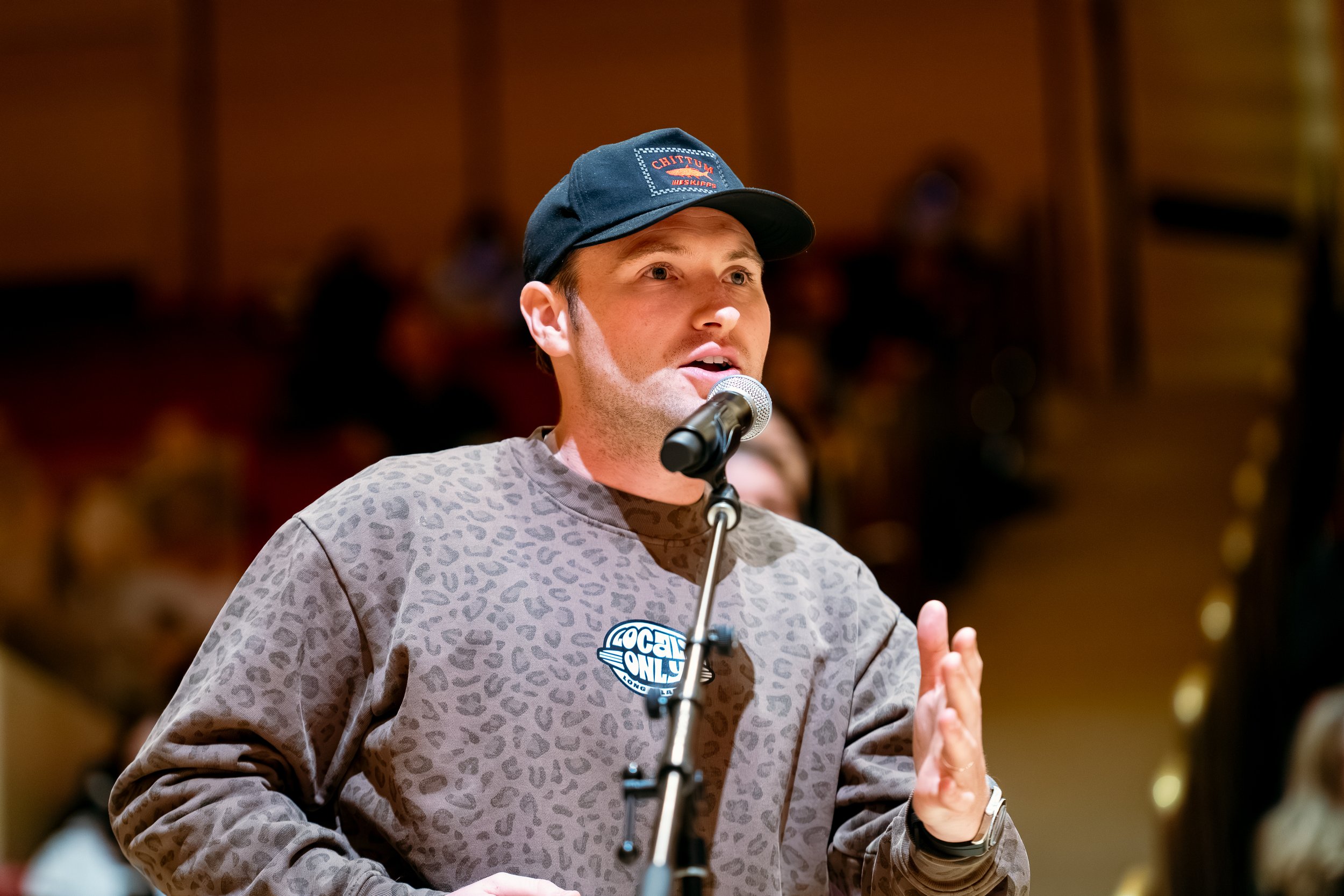
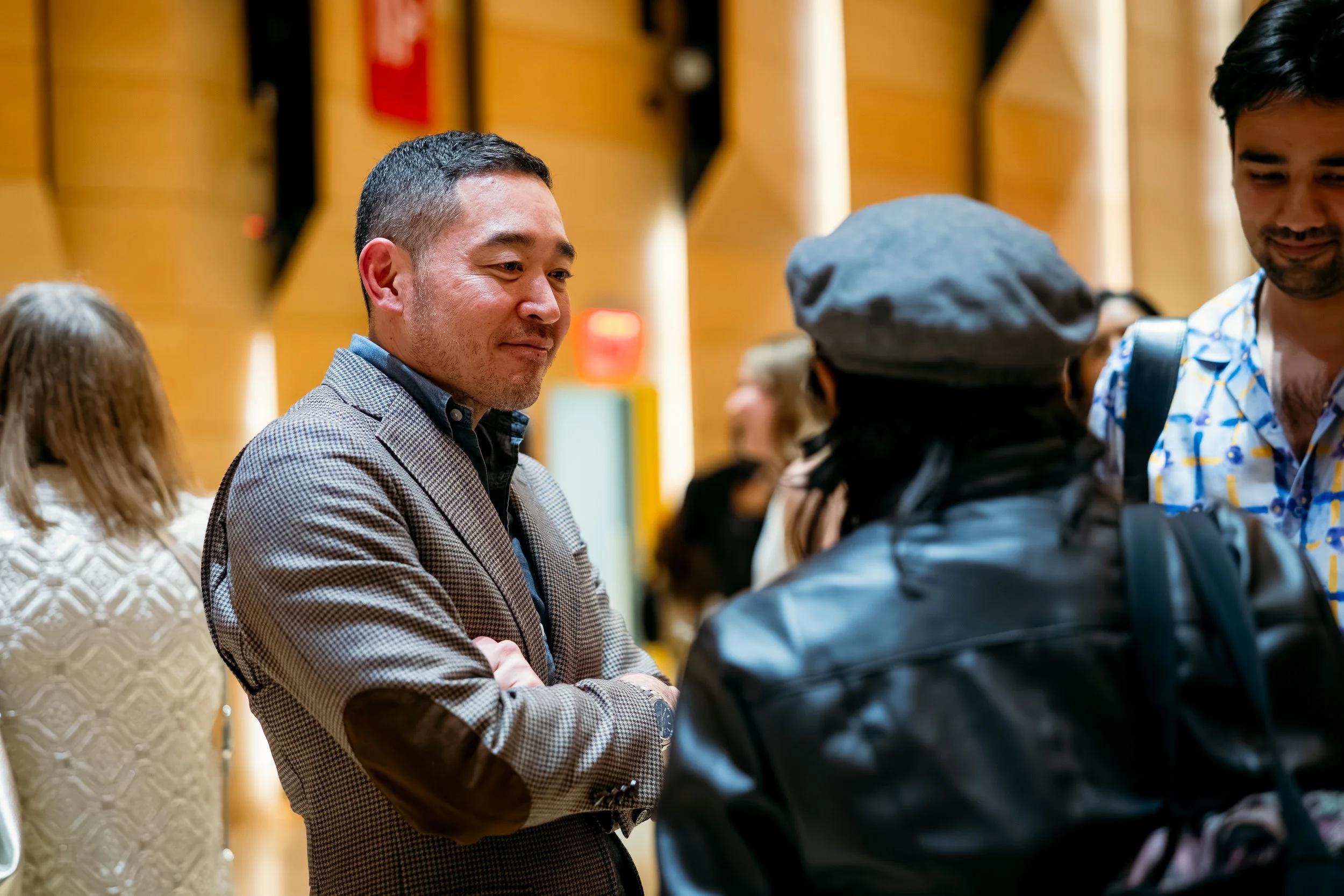
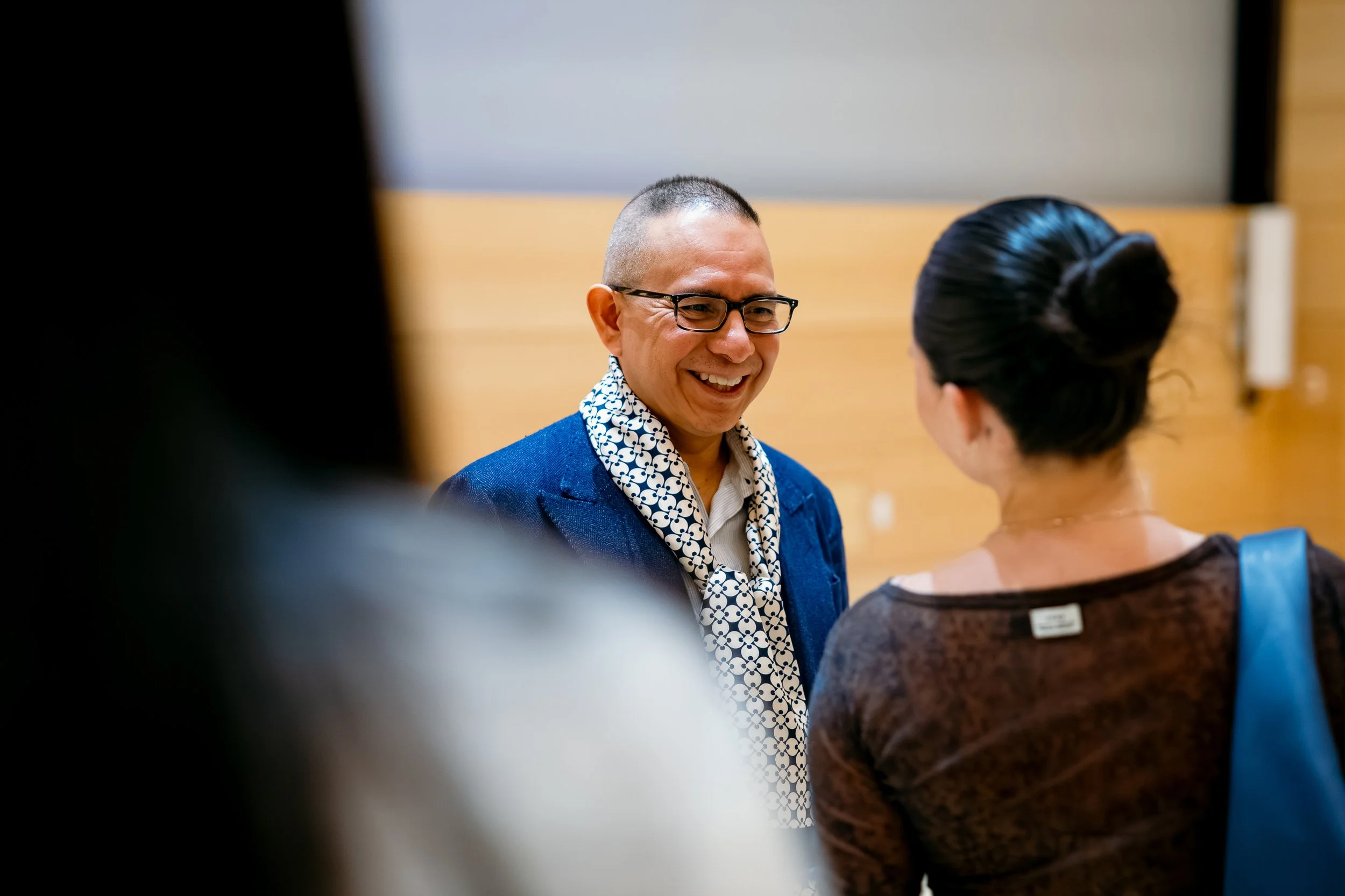
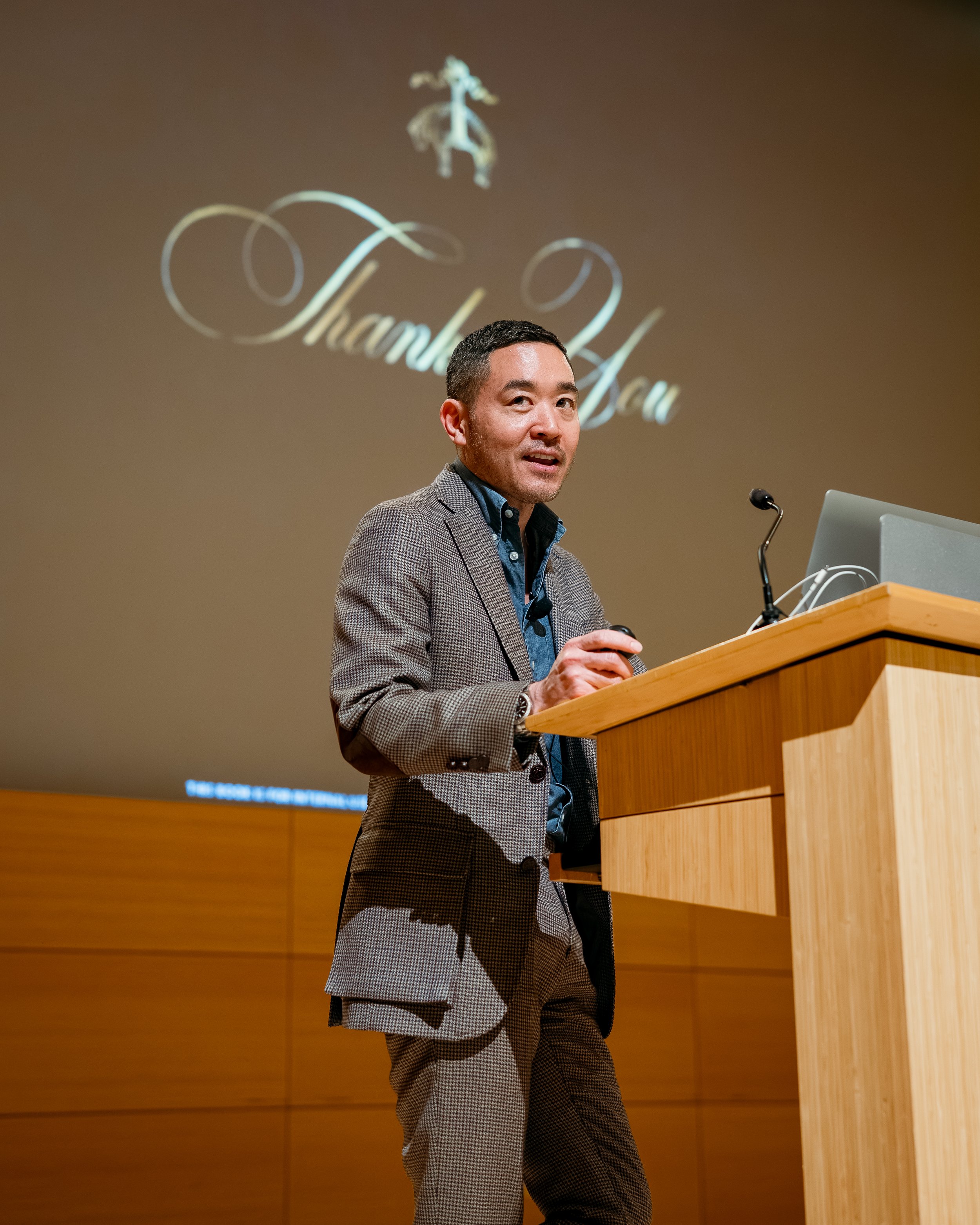
When the Gromek Institute for Fashion Business welcomed Ohashi, CEO of Brooks Brothers, to Tishman Auditorium for a conversation moderated by José P. Chan, adjunct faculty at Parsons School of Design, the evening quickly moved beyond the expected language of fashion leadership. What emerged instead was a conversation about reinvention, judgment, and what it means to inherit something old without letting it harden in your hands.
The Work of Reinvention
Ohashi's route to Brooks Brothers was anything but linear. An accounting major from a blue-collar household, he entered fashion through a recruiter's cold call. He built his career across Aéropostale and Authentic Brands Group before taking on one of the most storied names in American retail.
His first week at Brooks Brothers, New York stores were down 70 percent. Within days, he was back before the board asking for an additional $50 million.
The turnaround that followed was not built on spectacle. It was built on edit. Brooks Brothers had drifted too far into a narrow idea of itself, over-indexing on dress shirts and suits while letting its sportswear and broader lifestyle language fade. One of Ohashi's earliest decisions was to bring in Michael Bastian to help recover that side of the brand.
"Brooks Brothers had really been the OG in so many sportswear categories," he said. "To bring that back to the surface felt super exciting."
Again and again, Ohashi returned to the same principle: hire people who want to get to the right answer, not people determined to prove they are right.
Learning Without a Map
As a first-generation college student, Ohashi worked full-time while in school, largely supported himself, and moved forward with little guidance. That experience, he said, still shapes the way he reads talent now: not just credentials, but curiosity, work ethic, and evidence that someone kept going even without a clear map.
"I didn't feel entitled to be in the room. I knew I had to work to get a seat at the table."
Some of the strongest advice of the evening came from that same place. Success, in his view, is not only about discipline. It is also about being able to say who you are, what shaped you, and what you bring into a room.
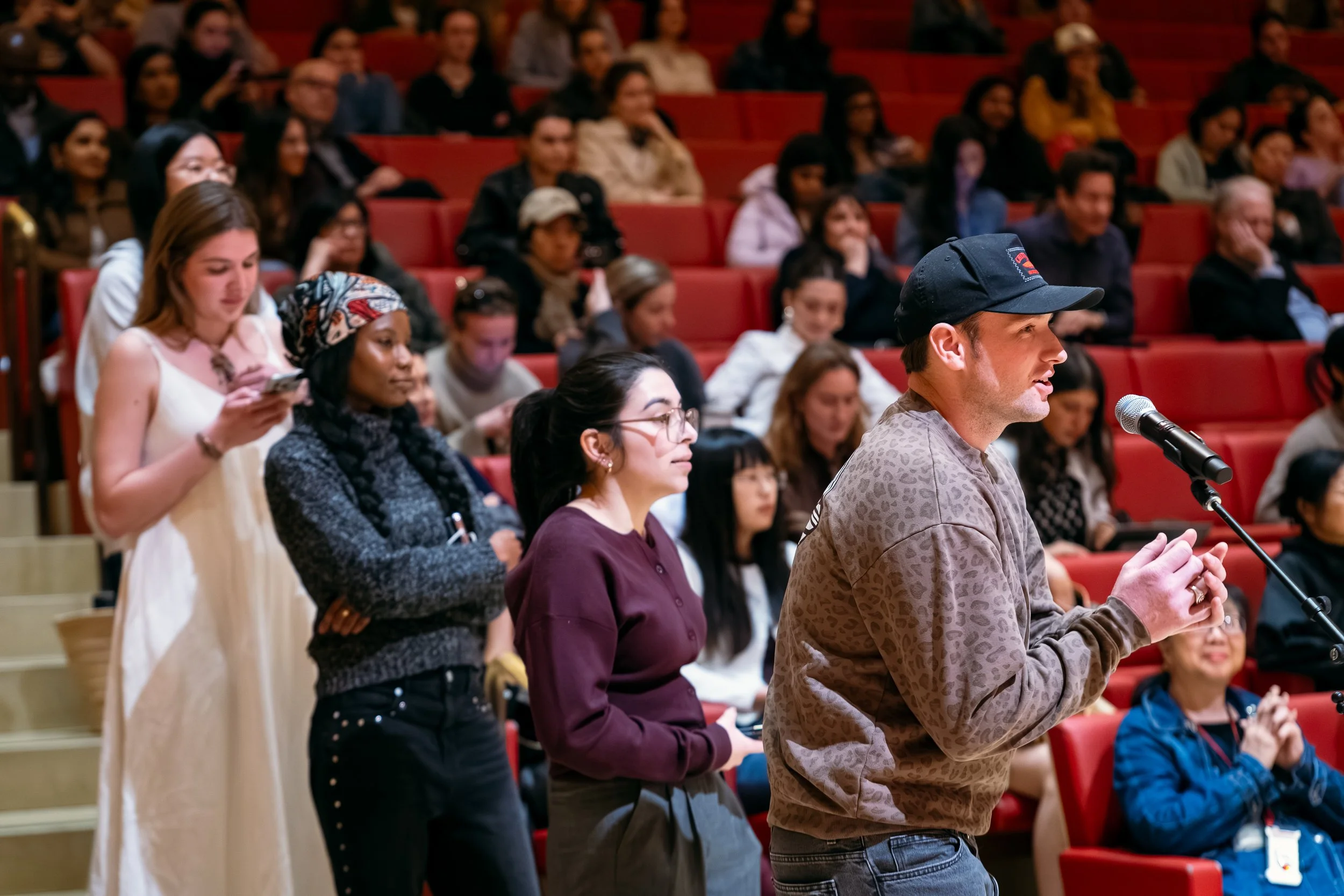
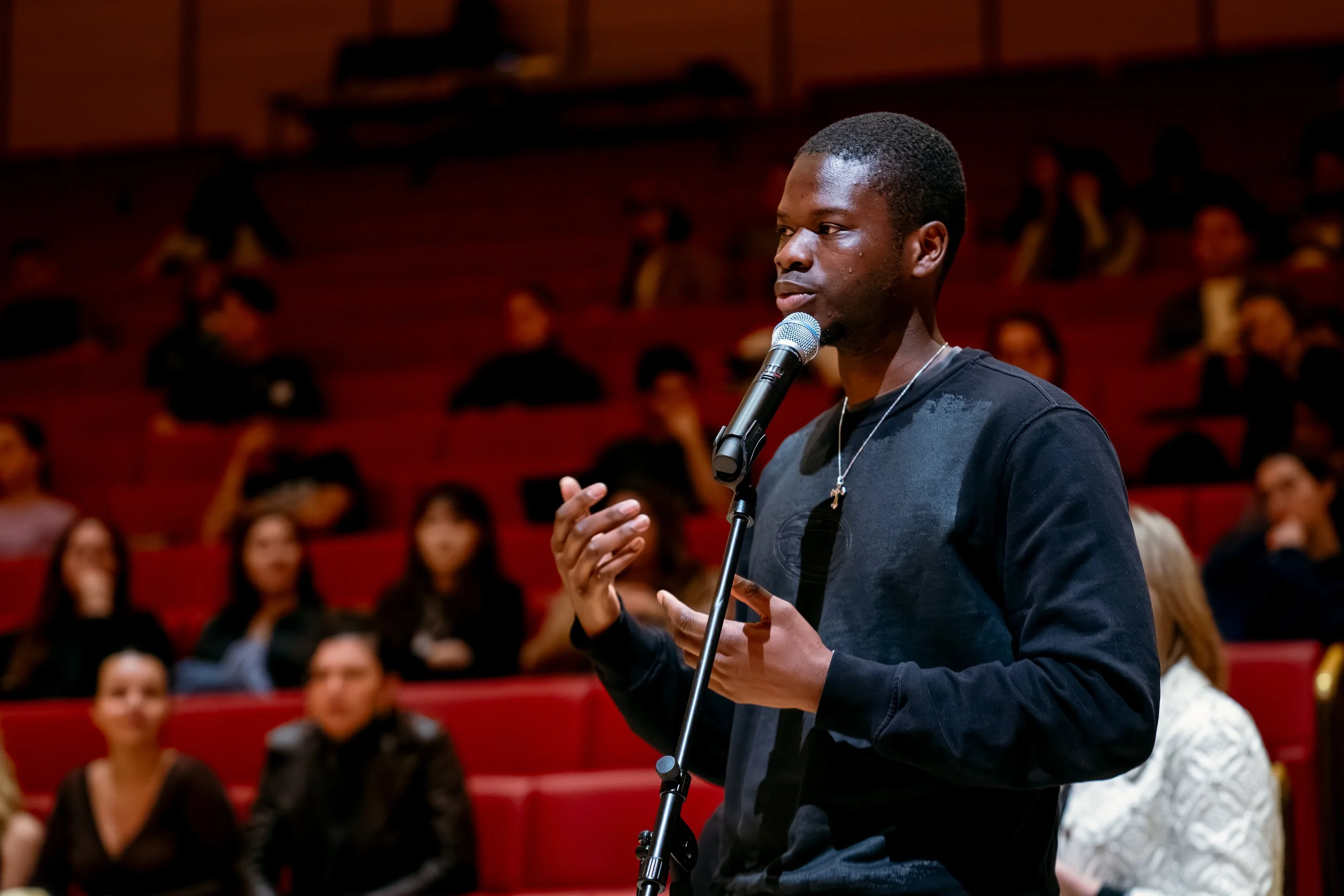
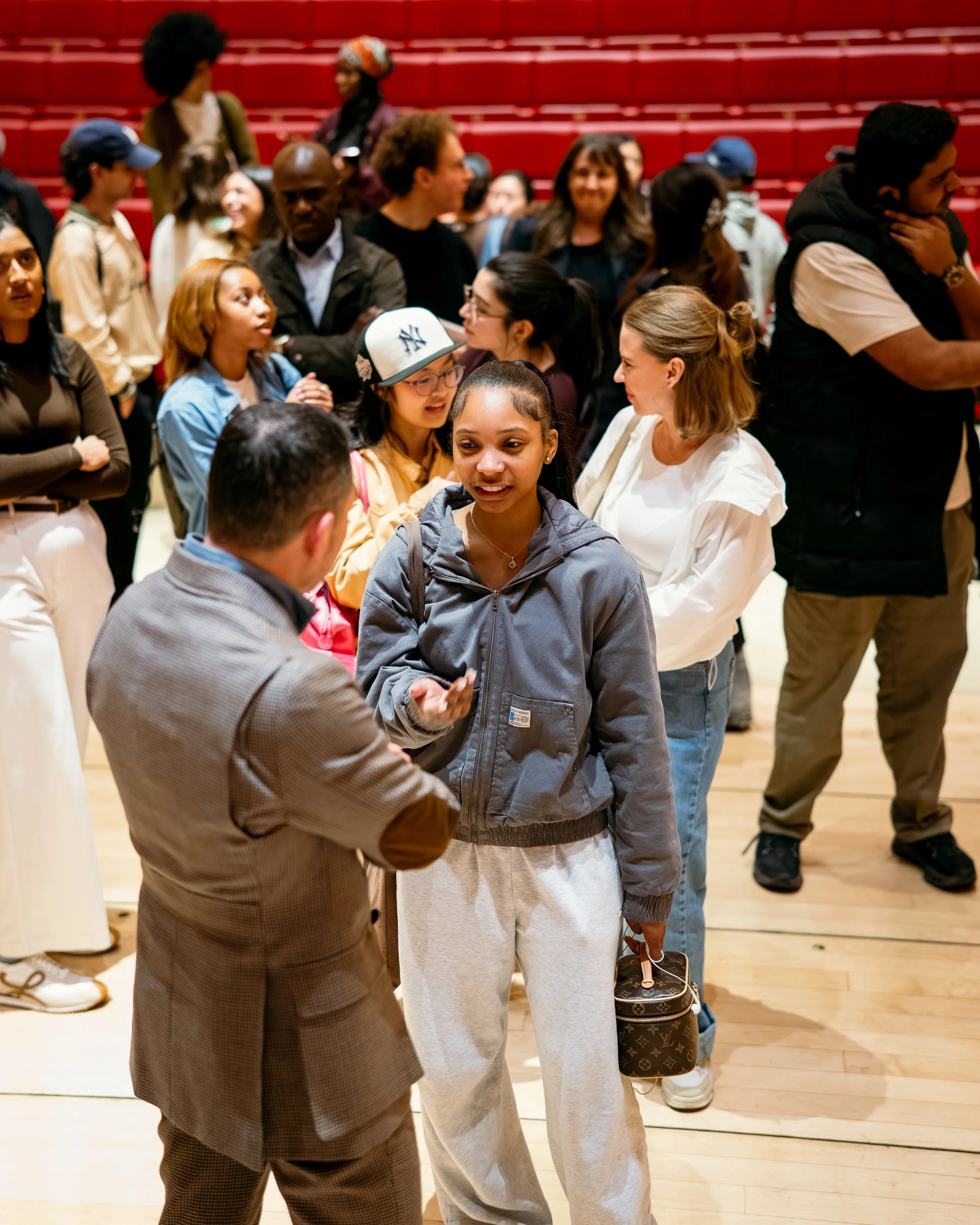
A Dialogue with Students
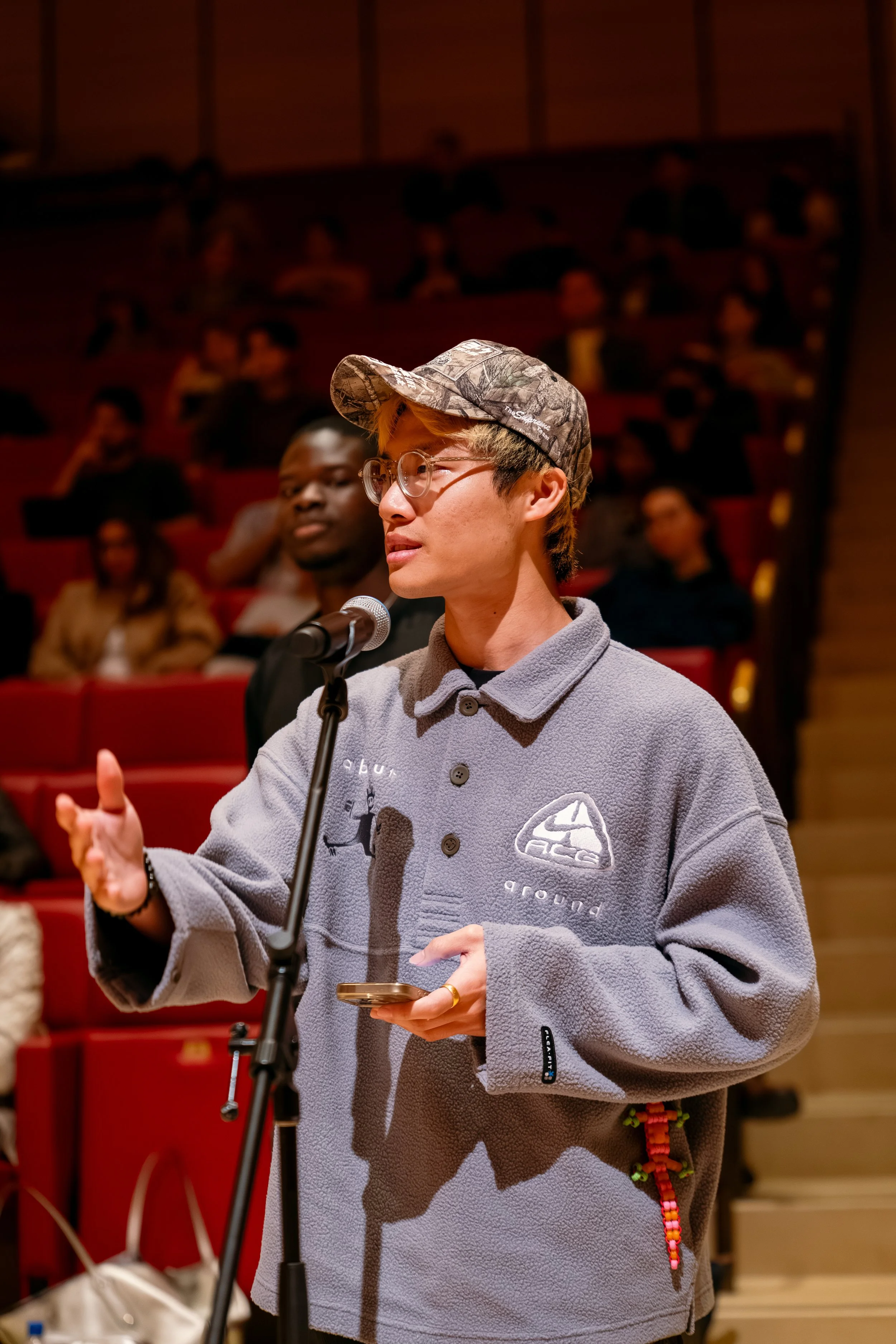
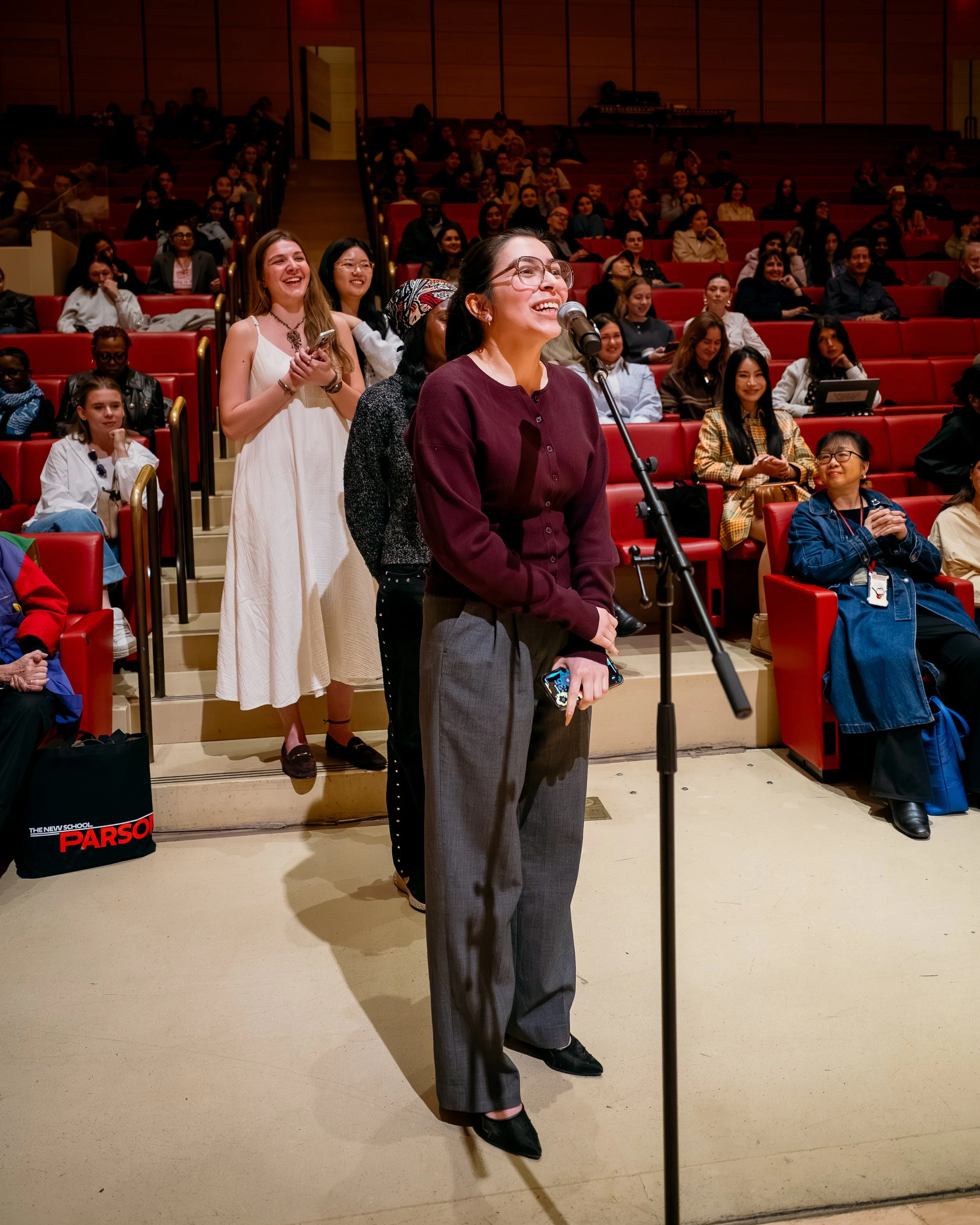
Cactus, a recent Fashion Management graduate from Parsons, asked whether a collaboration as radical as Brain Dead could expand Brooks Brothers' creative language without diluting the brand. Ohashi said it worked because it felt aligned rather than forced.
Kevin, an audience member and fashion brand founder, asked why Brooks Brothers would expand its store footprint rather than go even harder on digital. Ohashi's answer was practical: categories like suiting still depend on fit, service, and trust, and the future is a tighter relationship between stores and online.
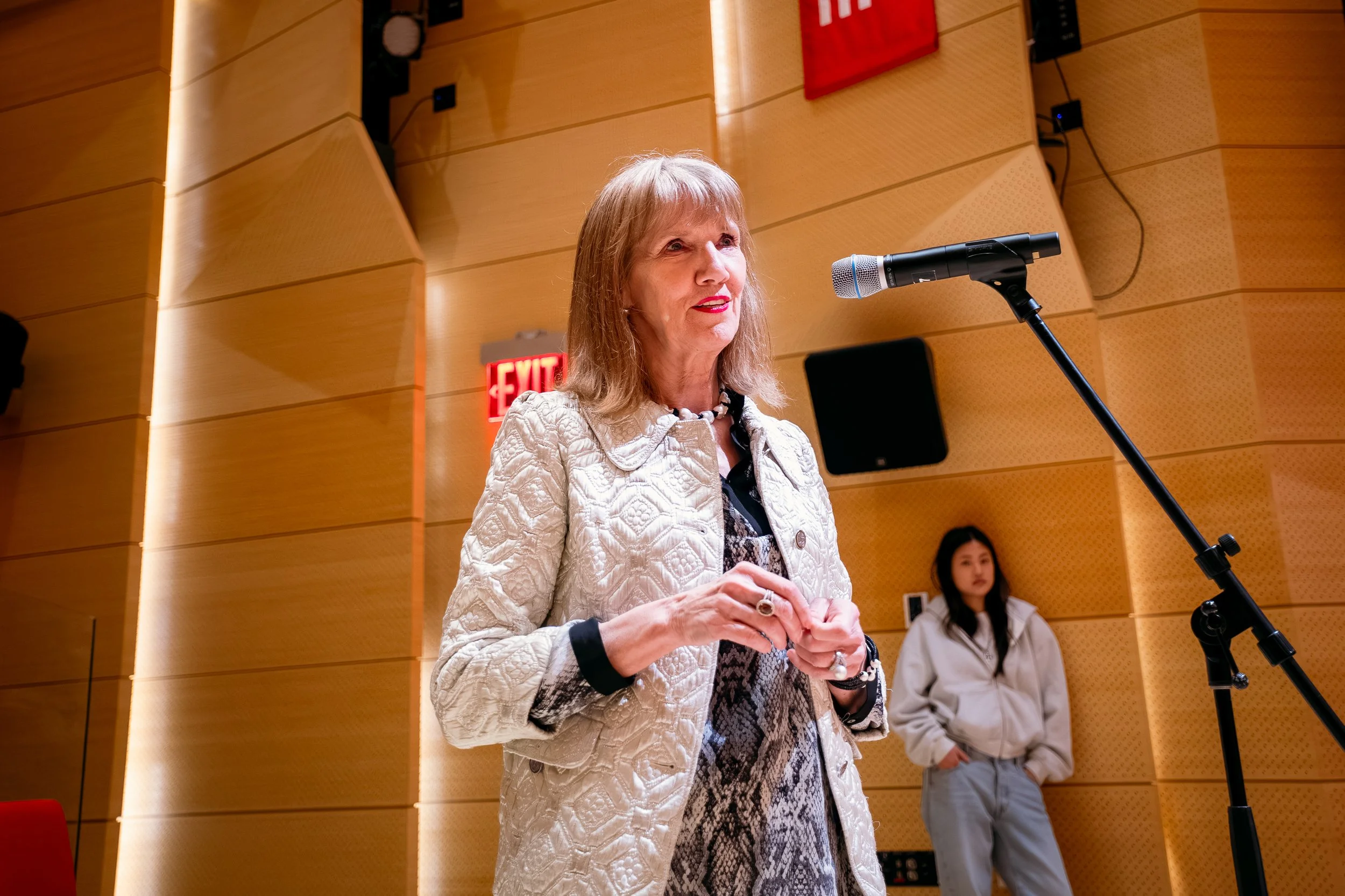
Mary Lou Deboe, a fashion design student at Parsons, asked directly about Brooks Brothers' historical ties to slavery and how the company is reckoning with that past. Ohashi said the company is working with a university to understand better and uncover that history, and stressed the importance of moving forward more openly and honestly.
Closing Reflections
Ohashi left the audience with practical, reassuring advice.
"Say yes to everything," he said. "There are no shortcuts. And even in a bad situation, you're going to walk away and learn something."
"Don't give up. Make sure you love what you're doing, because every high performer I see cares deeply."
"You're all going to be fine."