Sustainable Techniques
Weaving the Future: Artisanal Techniques and Sustainable Fashion Production Weaving, Quilting, Beading, Brasswork
Critical Question?
In a world dominated by fast fashion, how can we balance the demand for newness with the preservation of artisanal techniques that promote sustainability?
We highlight handcraft techniques aligned with the artisan economy and cultural heritage, while also touching on sustainable methods of production.
Statistics & Business Opportunity:
Artisanal textile production represents a $34 billion global market. There’s growing demand for handwoven textiles in fashion, which are seen as sustainable and unique. By promoting slow fashion, companies can differentiate through quality and craftsmanship, potentially reducing returns and increasing margins. Patagonia, for example, has increased its value by aligning with these values.
About:
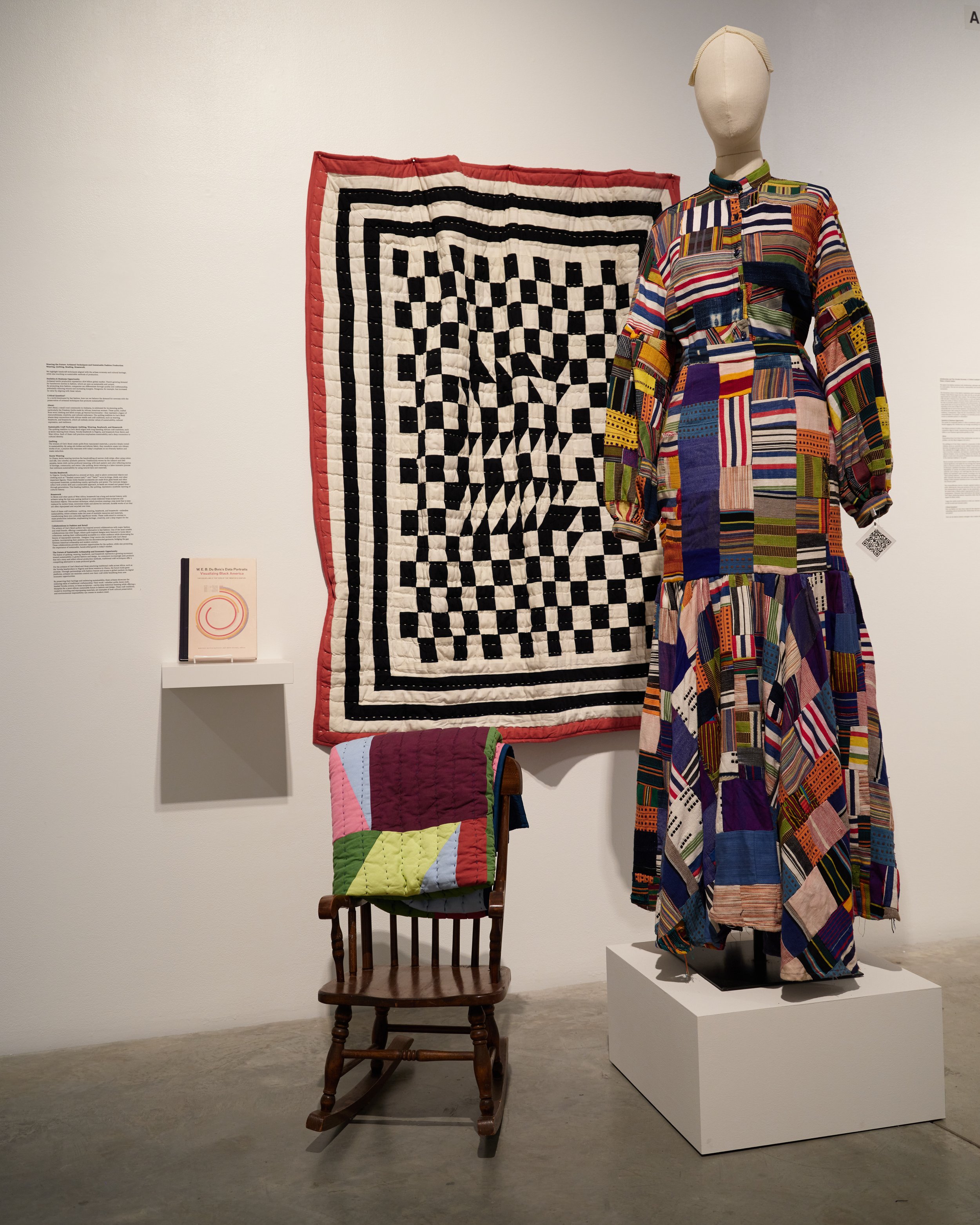
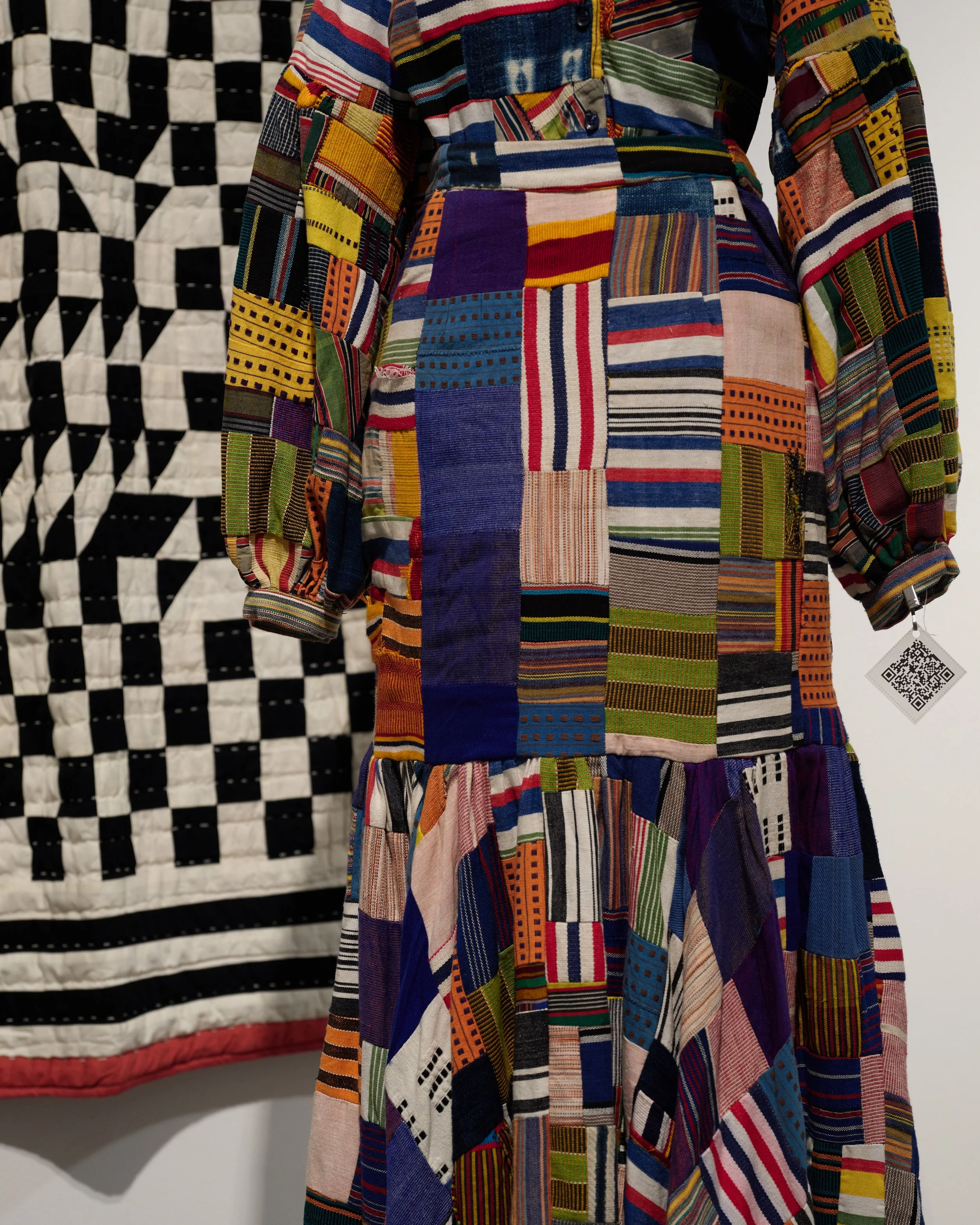
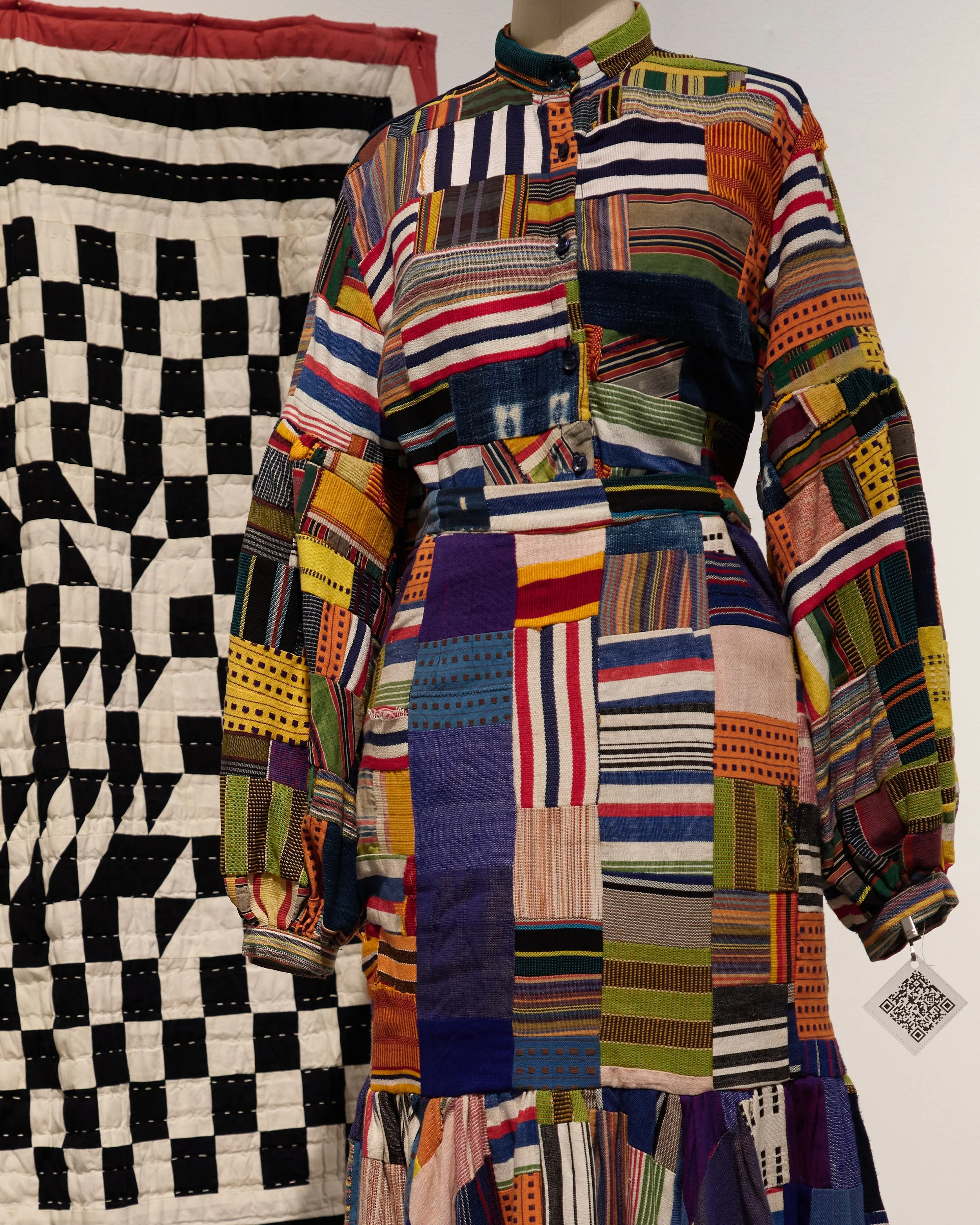
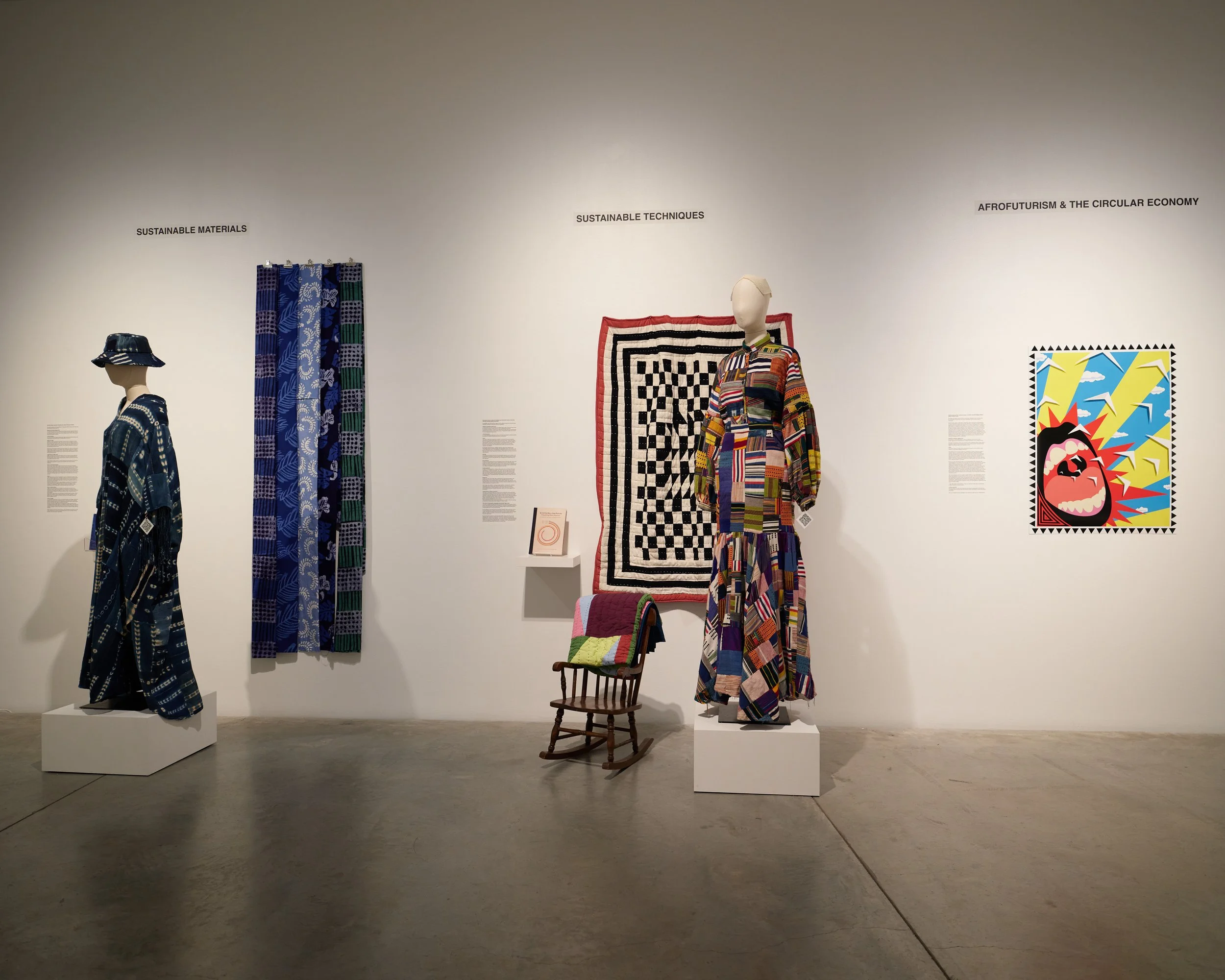
Gee’s Bend, a small rural community in Alabama, is celebrated for its stunning quilts, particularly the Freedom Quilts made by African American women. These quilts, crafted from worn clothing and fabric scraps, go beyond functionality—they represent a legacy of resourcefulness, creativity, and cultural endurance. The quilting tradition in Gee’s Bend shares deep connections with African textile and craft traditions, such as weaving, beadwork, and brasswork, which all embody similar values of sustainability, cultural expression, and resilience.
Sustainable Craft Techniques:
Quilting, Weaving, Beadwork, and Brasswork. The quilting tradition in Gee’s Bend aligns with long-standing African craft traditions, such as “kente weaving” from Ghana, “Yoruba beadwork” in Nigeria, and “brasswork” from Benin and West Africa. Each of these craft practices emphasizes sustainability and a deep connection to cultural identity.
Quilting: The women of Gee’s Bend create quilts from repurposed materials, a practice deeply rooted in sustainability. By using old clothes and leftover fabric, they transform waste into vibrant works of art, a practice that resonates with today’s emphasis on eco-friendly fashion and waste reduction.
Kente Weaving: In Ghana, kente weaving involves the handcrafting of narrow cloth strips, often using cotton and silk, into colorful, symbolic patterns. Traditionally woven by the Ashanti and Ewe peoples, kente cloth carries profound meaning, with each pattern and color reflecting stories of heritage, community, and status. Like quilting, kente weaving is a labor-intensive process that embraces sustainability by using natural dyes and materials.
Yoruba Beadwork: In Nigeria, Yoruba beadwork is a revered art form, used to adorn ceremonial objects and clothing such as “beaded crowns (ade)” and “belts” worn by kings, chiefs, and other important figures. These richly beaded accessories are made from glass beads and often repurposed materials, symbolizing royalty, spirituality, and power. The intricate designs reflect both artistic skill and a sustainable approach, as beads are reused and passed down through generations. This beading tradition, like quilting, represents a symbolic layering of cultural history.
Brasswork: In Benin and other parts of West Africa, brasswork has a long and storied history, with artisans using the lost-wax casting method to create elaborate brass sculptures and functional objects. This ancient technique, which involves creating a wax mold that is later replaced by molten brass, minimizes waste and allows for intricate, durable works of art that are often repurposed and recycled over time.
Each of these craft traditions—quilting, weaving, beadwork, and brasswork—embodies sustainability, where artisans make the most of available resources and materials, transforming them into culturally significant works. These crafts stand in contrast to mass-production industries, emphasizing heritage, creativity, and a deep respect for the environment.
Collaborations in Fashion and Retail
The artistry of Gee’s Bend quilters has inspired several collaborations with major fashion and retail brands, offering a sustainable alternative to fast fashion. One of the most notable collaborations was with Target, where quilt-inspired designs were featured in home décor collections, making their craftsmanship accessible to a wider audience while showcasing the beauty of repurposed materials. Designer Greg Lauren also worked with Gee’s Bend quilters, incorporating their patterns into his deconstructed garments, bridging the gap between historical artisanship and modern couture.
These collaborations provide economic opportunities for the quilters, while also promoting the importance of sustainable, handcrafted goods in today’s market.
The Future of Sustainable Artisanship and Economic Opportunity
The fusion of quilting, weaving, beadwork, and brasswork represents a growing movement toward sustainability in global fashion and design. As consumers increasingly seek products that tell a story and reflect ethical production methods, traditional craft techniques offer a compelling alternative to mass-produced goods.
For the artisans of Gee’s Bend and those practicing traditional crafts across Africa, such as the Yoruba beadworkers in Nigeria and kente weavers in Ghana, the future holds great promise. Through partnerships with fashion brands and access to global markets via digital platforms, artisans can maintain control over their craft while benefiting from new economic opportunities.
By preserving their heritage and embracing sustainability, these artisans showcase the enduring value of traditional craftsmanship. Their work—whether quilts, kente cloth, beaded Yoruba crowns, or brass sculptures—carries deep historical meaning while offering a blueprint for a more ethical, sustainable future in fashion and design. These craft traditions, rooted in recycling and repurposing materials, are examples of how cultural preservation and environmental responsibility can coexist in modern retail.