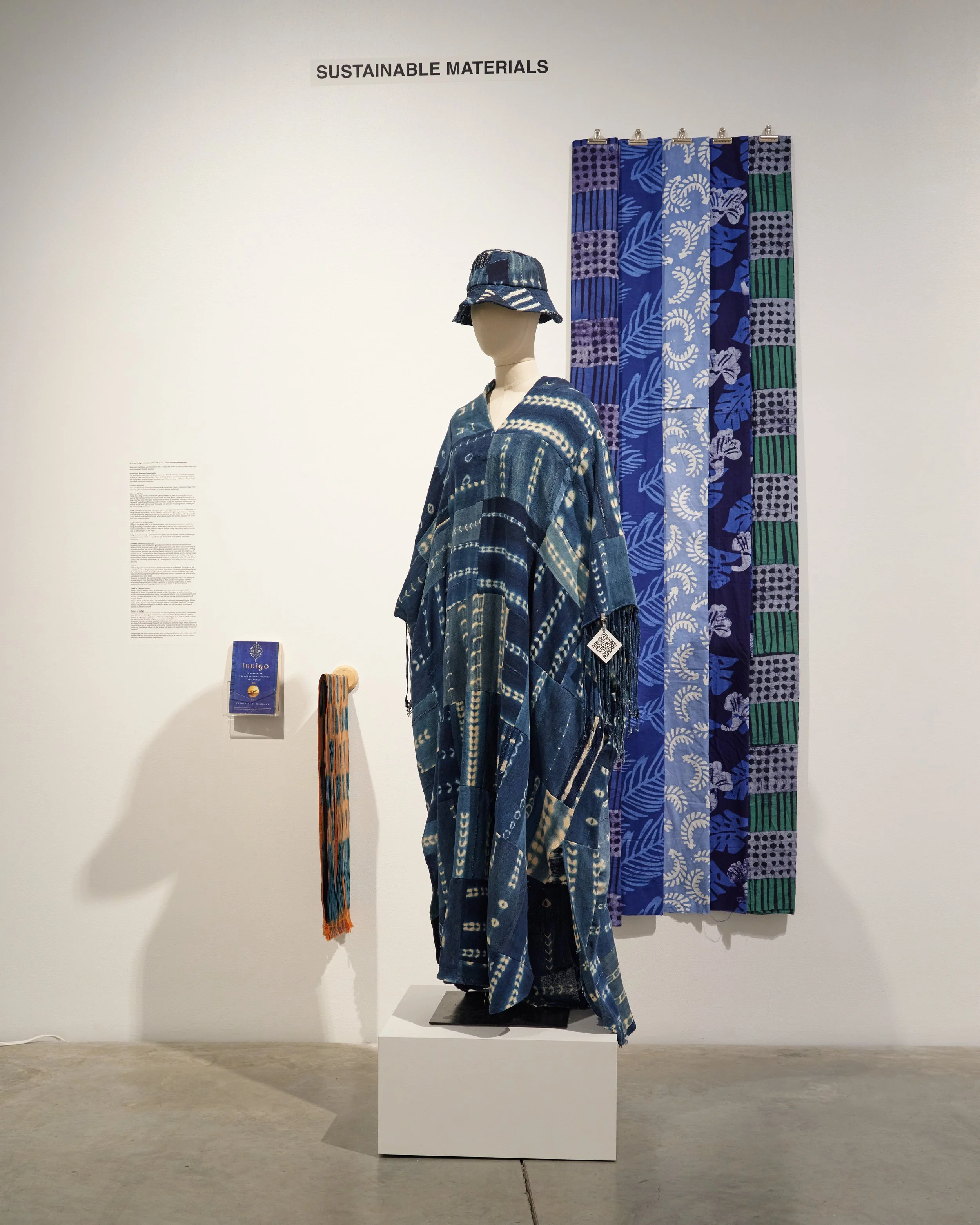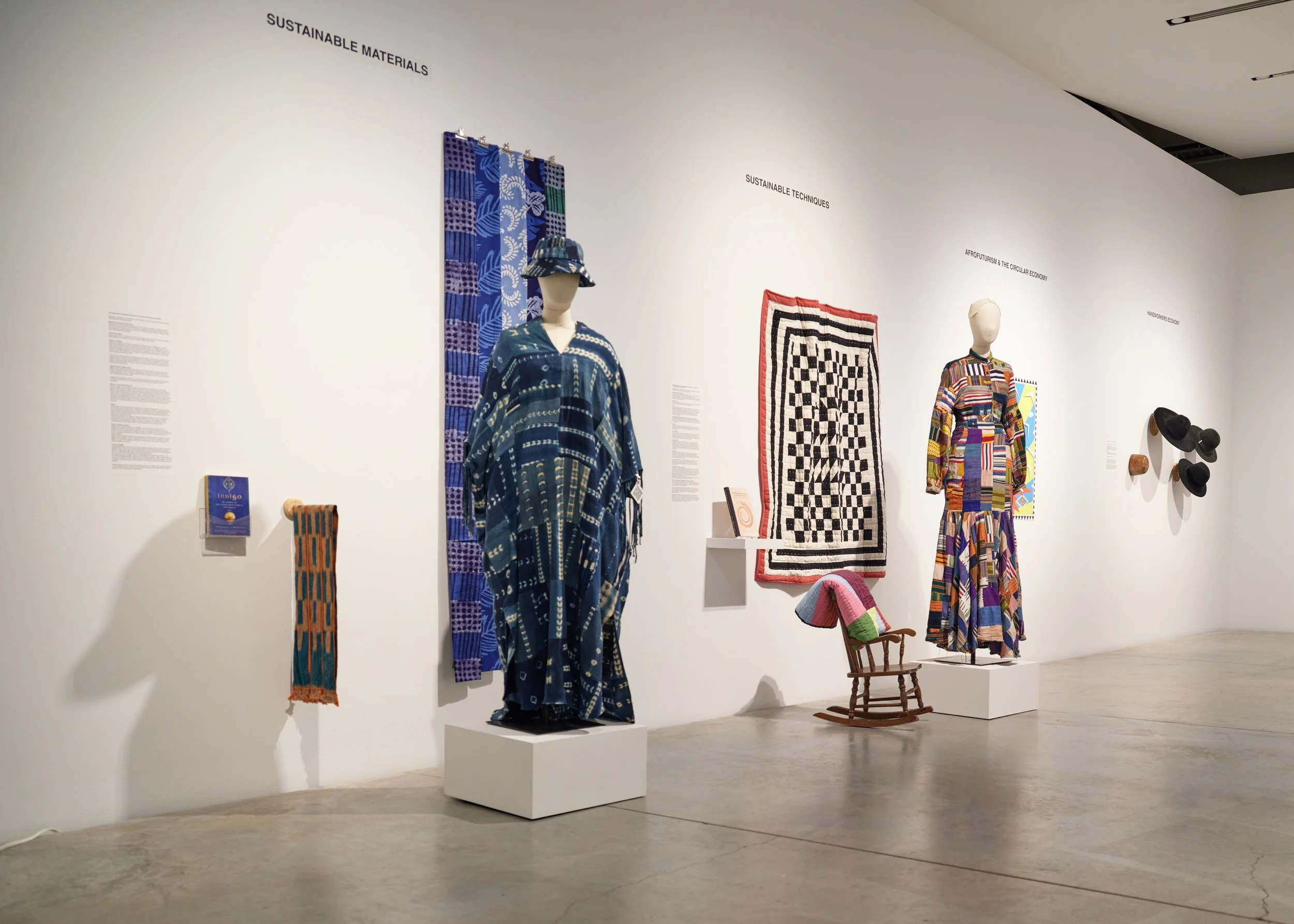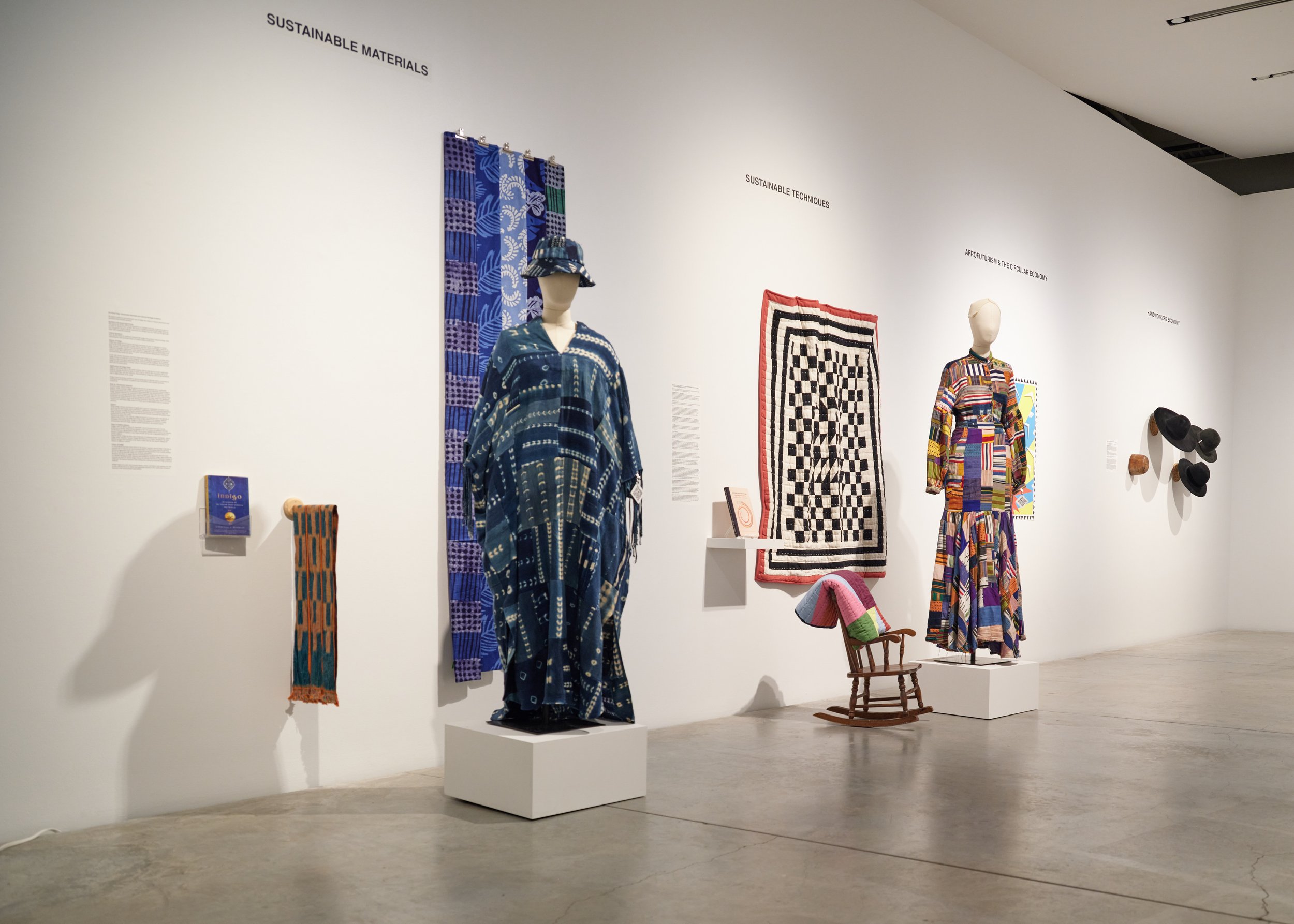
Sustainable Materials
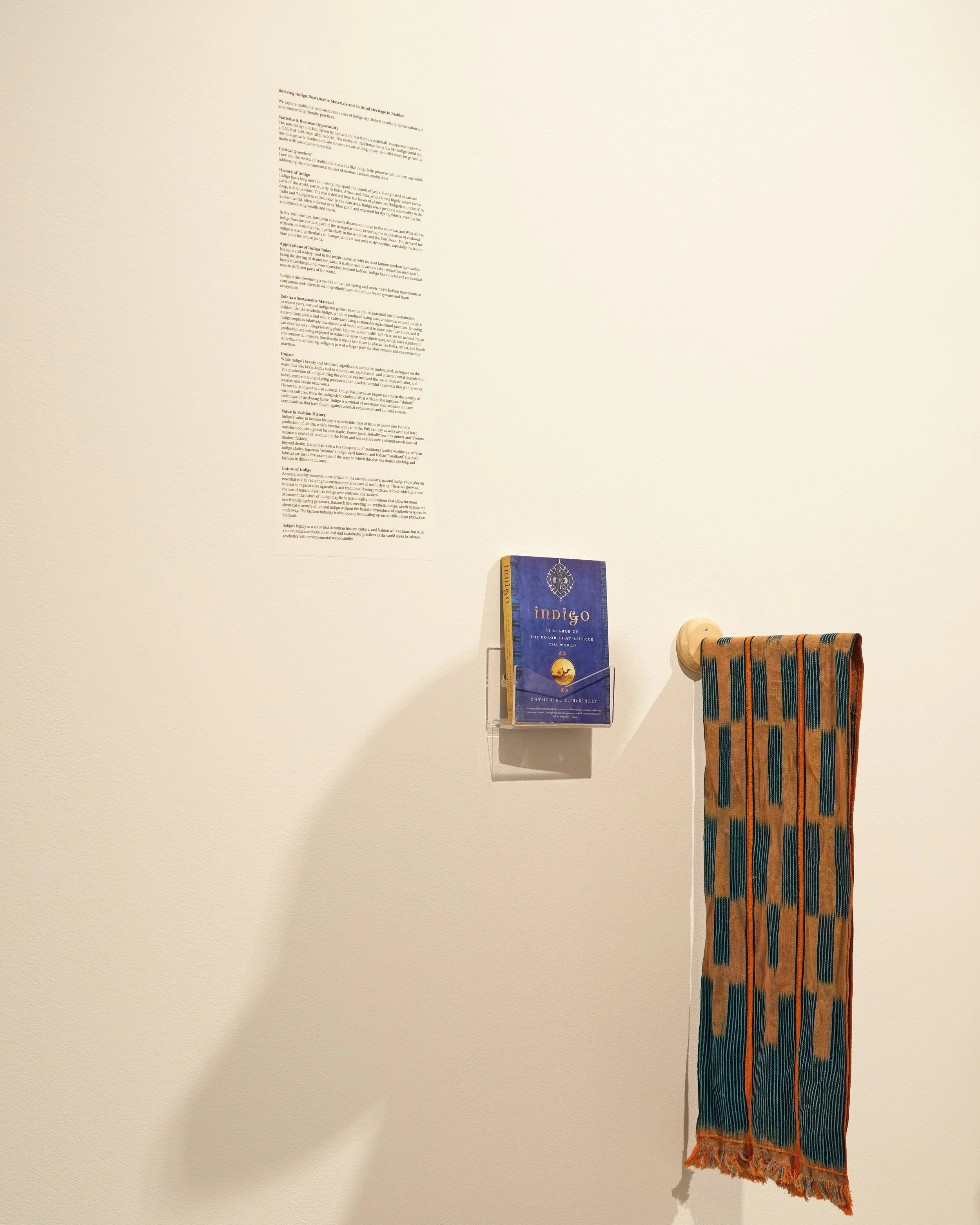
Reviving Indigo: Sustainable Materials and Cultural Heritage in Fashion
Critical Question?
How can the fashion industry balance the cultural and economic significance of indigo with the urgent need for sustainability and ethical production, while fostering innovation in both design and business practices?
We explored traditional and sustainable uses of indigo dye, linked to cultural preservation and environmentally friendly practices.
Statistics & Business Opportunity:
The natural dye market, driven by demand for eco-friendly materials, is expected to grow at a CAGR of 5.4% from 2021 to 2026. The revival of traditional materials like indigo could tap into this growth.
Studies indicate consumers are willing to pay up to 20% more for garments made with sustainable materials.
ALT Critical Question?
How can the revival of traditional materials like indigo help preserve cultural heritage while addressing the environmental impact of modern fashion production?
History of Indigo:
Indigo has a long and rich history that spans thousands of years. It originated in various parts of the world, particularly in India, Africa, and Asia, where it was highly valued for its deep, rich blue color. The dye is derived from the leaves of plants like ‘Indigofera tinctoria’ in India and ‘Indigofera suffruticosa’ in the Americas. Indigo was a precious commodity in the ancient world, often referred to as “blue gold,” and was used for dyeing fabrics, creating art, and symbolizing wealth and status.
In the 16th century, European colonizers discovered indigo in the Americas and West Africa. Indigo became a crucial part of the triangular trade, involving the exploitation of enslaved Africans to farm the plant, particularly in the Americas and the Caribbean. The demand for indigo soared, particularly in Europe, where it was used to dye textiles, especially the iconic blue color for denim jeans.
Applications of Indigo Today:
Indigo is still widely used in the textile industry, with its most famous modern application being the dyeing of denim for jeans. It is also used in various other industries such as art, home furnishings, and even cosmetics. Beyond fashion, indigo has cultural and ceremonial uses in different parts of the world.
Indigo is also becoming a symbol in natural dyeing and eco-friendly fashion movements as consumers seek alternatives to synthetic dyes that pollute water systems and harm ecosystems.
Role as a Sustainable Material:
In recent years, natural indigo has gained attention for its potential role in sustainable fashion. Unlike synthetic indigo, which is produced using toxic chemicals, natural indigo is derived from plants and can be cultivated using sustainable agricultural practices. Growing indigo requires relatively low amounts of water compared to some other dye crops, and it can even act as a nitrogen-fixing plant, improving soil health.
Efforts to revive natural indigo production are being explored to reduce reliance on synthetic dyes, which have significant environmental impacts. Small-scale farming initiatives in places like India, Africa, and South America are cultivating indigo as part of a larger push for slow fashion and eco-conscious practices.
Impact:
While indigo’s beauty and historical significance cannot be understated, its impact on the world has also been deeply tied to colonialism, exploitation, and environmental degradation. The production of indigo during the colonial era involved the use of enslaved labor, and today, synthetic indigo dyeing processes often involve harmful chemicals that pollute water sources and create toxic waste.
However, its impact is also cultural. Indigo has played an important role in the identity of various cultures, from the indigo-dyed cloths of West Africa to the Japanese “shibori” technique of tie-dyeing fabric. Indigo is a symbol of resistance and tradition in many communities that have fought against colonial exploitation and cultural erasure.
Value in Fashion History:
Indigo’s value in fashion history is undeniable. One of its most iconic uses is in the production of denim, which became popular in the 19th century as workwear and later transformed into a global fashion staple. Denim jeans, initially worn by miners and laborers, became a symbol of rebellion in the 1950s and 60s and are now a ubiquitous element of modern fashion.
Beyond denim, indigo has been a key component of traditional textiles worldwide. African indigo cloths, Japanese “aizome” (indigo-dyed fabrics), and Indian “bandhani” (tie-dyed fabrics) are just a few examples of the ways in which this dye has shaped clothing and fashion in different cultures.
Future of Indigo:
As sustainability becomes more critical in the fashion industry, natural indigo could play an essential role in reducing the environmental impact of textile dyeing. There is a growing interest in regenerative agriculture and traditional dyeing practices, both of which promote the use of natural dyes like indigo over synthetic alternatives.
Moreover, the future of indigo may lie in technological innovations that allow for more eco-friendly dyeing processes. Research into creating bio-synthetic indigo, which mimics the chemical structure of natural indigo without the harmful byproducts of synthetic versions, is underway. The fashion industry is also looking into scaling up sustainable indigo production methods.
Indigo’s legacy as a color tied to human history, culture, and fashion will continue, but with a more conscious focus on ethical and sustainable practices as the world seeks to balance aesthetics with environmental responsibility.