Heritage Fashion
Heritage Fashion: Preserving Culture through Business Innovation
Critical Question?
How can fashion brands protect and preserve cultural heritage in a rapidly globalizing world, and what responsibility do they have to avoid cultural appropriation?
A classic theme, examining how fashion preserves cultural identity, which directly ties into cultural preservation.
Statistics & Business Opportunity
Cultural heritage tourism is a $192 billion market globally. Heritage-based fashion brands could tie into this trend, offering culturally rooted products that appeal to ethically-conscious travelers.
87% of consumers believe it’s important for brands to act with integrity, and preserving cultural traditions through fashion creates a strong narrative that resonates with this audience.
About:
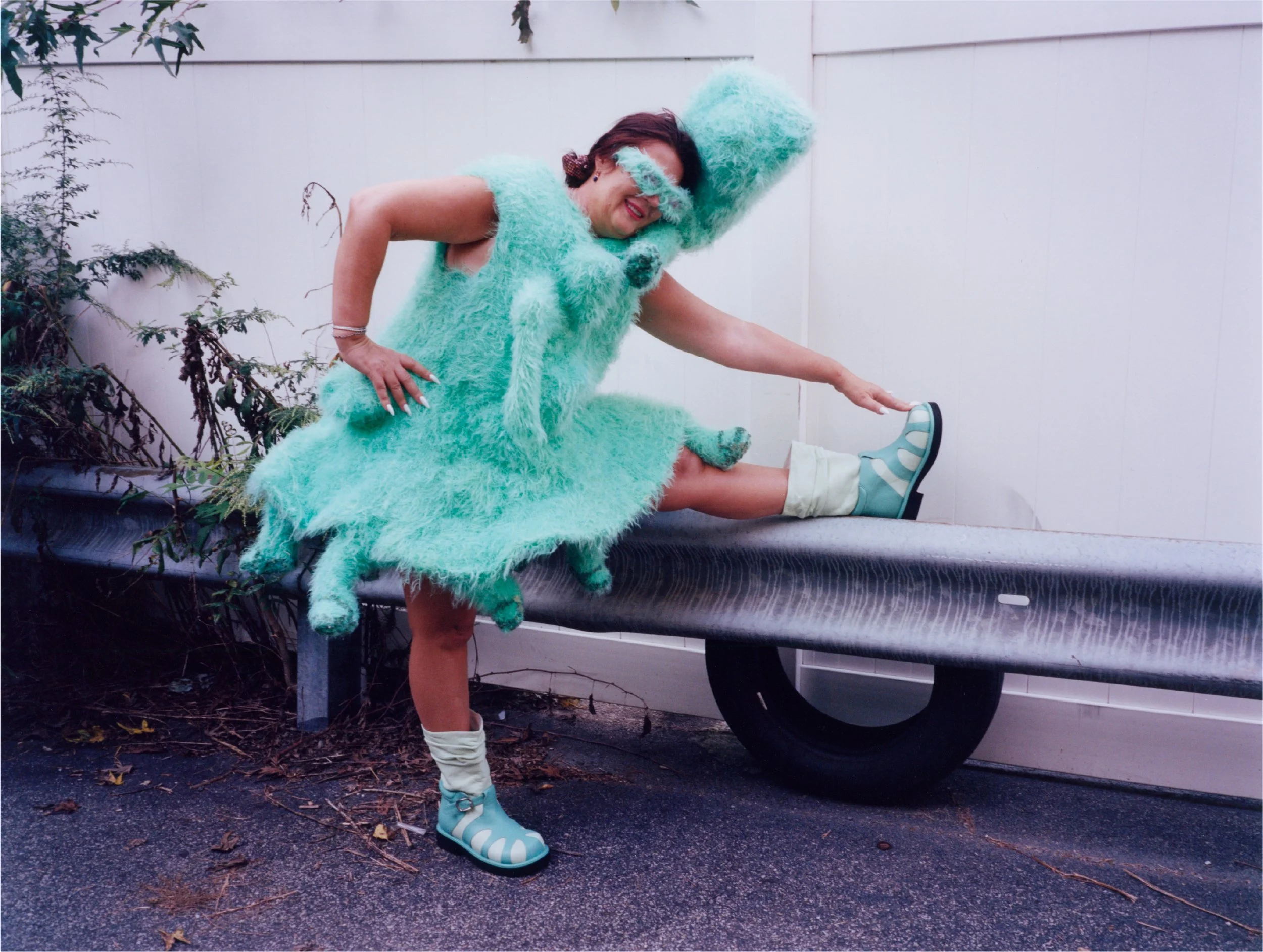
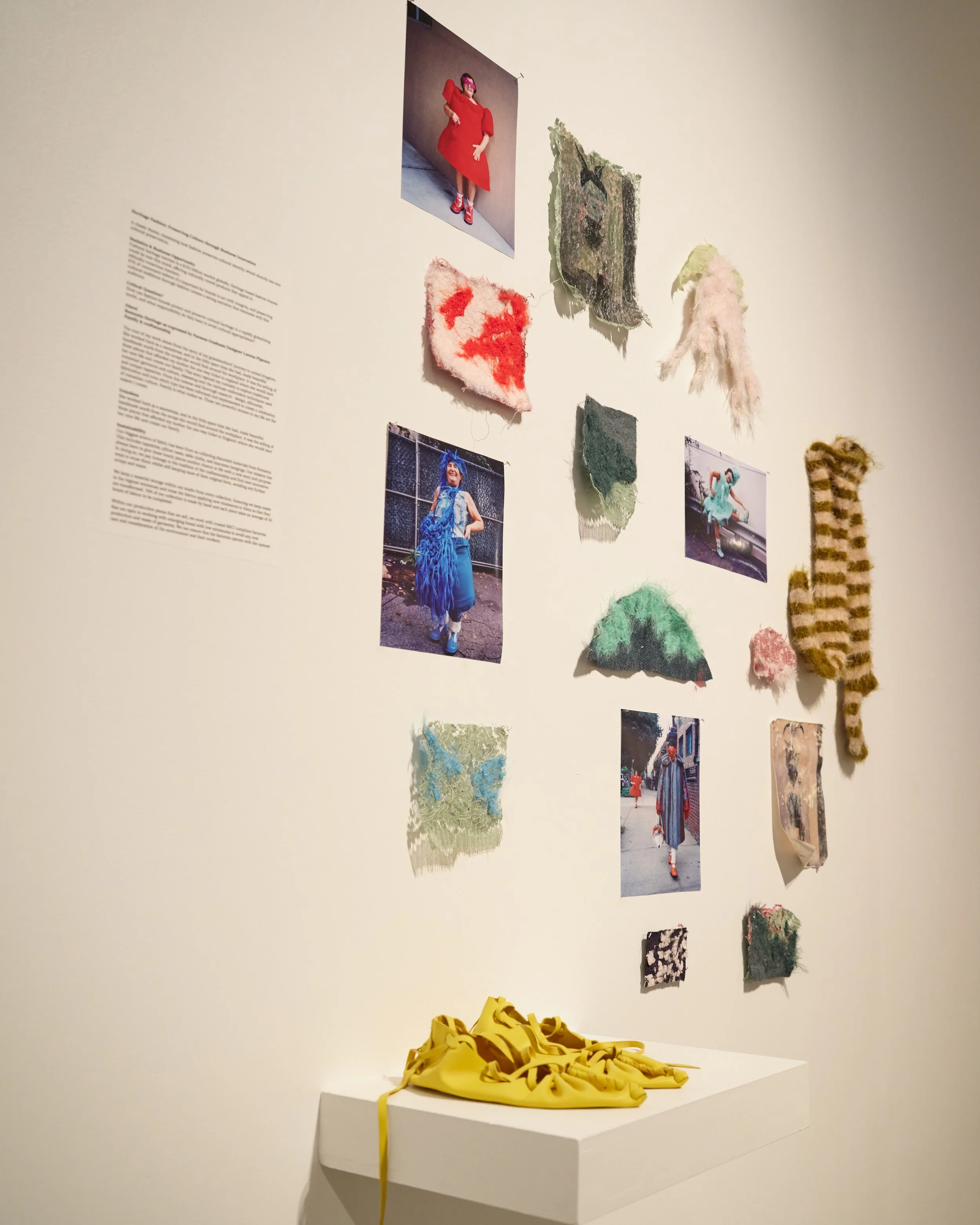
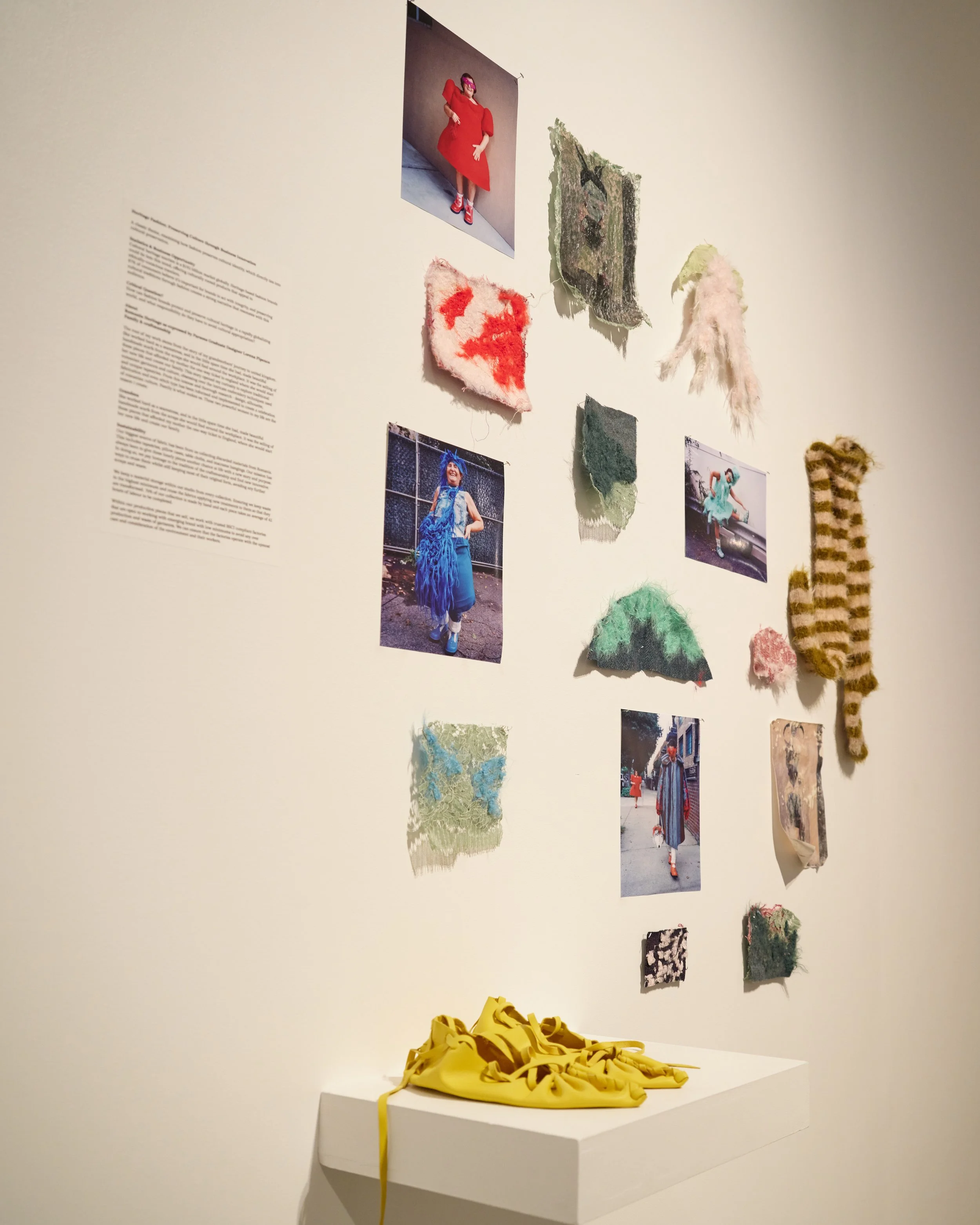
Romania Heritage as expressed by Parsons Graduate Designer Lorena Pipenco.
Family & craftsmanship
The root of my work stems from the story of my grandmothers’ journey to the United kingdom. She worked hard as a seamstress, and in the little spare time she had, made beautiful handmade scarfs from the scraps she would find around the workplace.
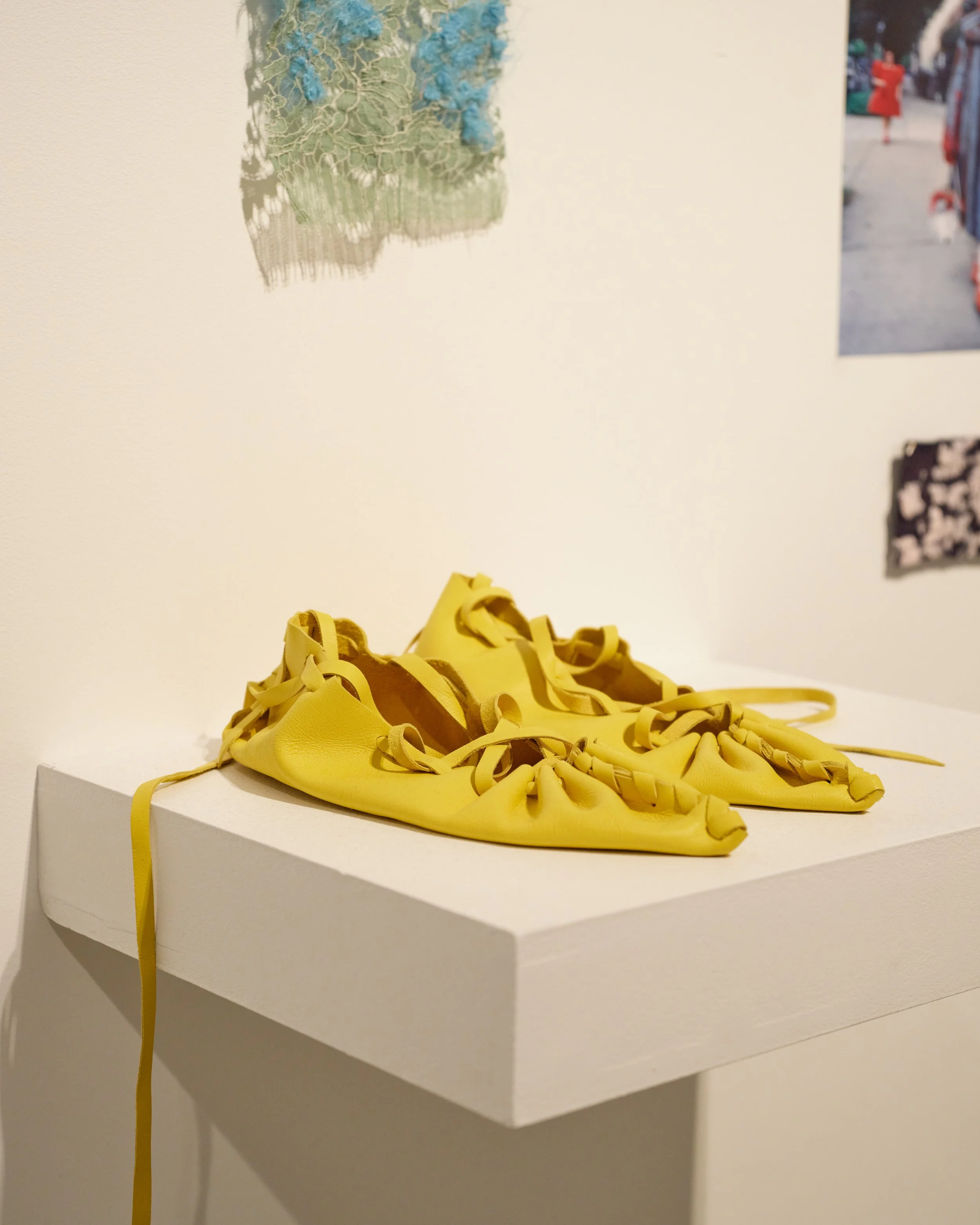
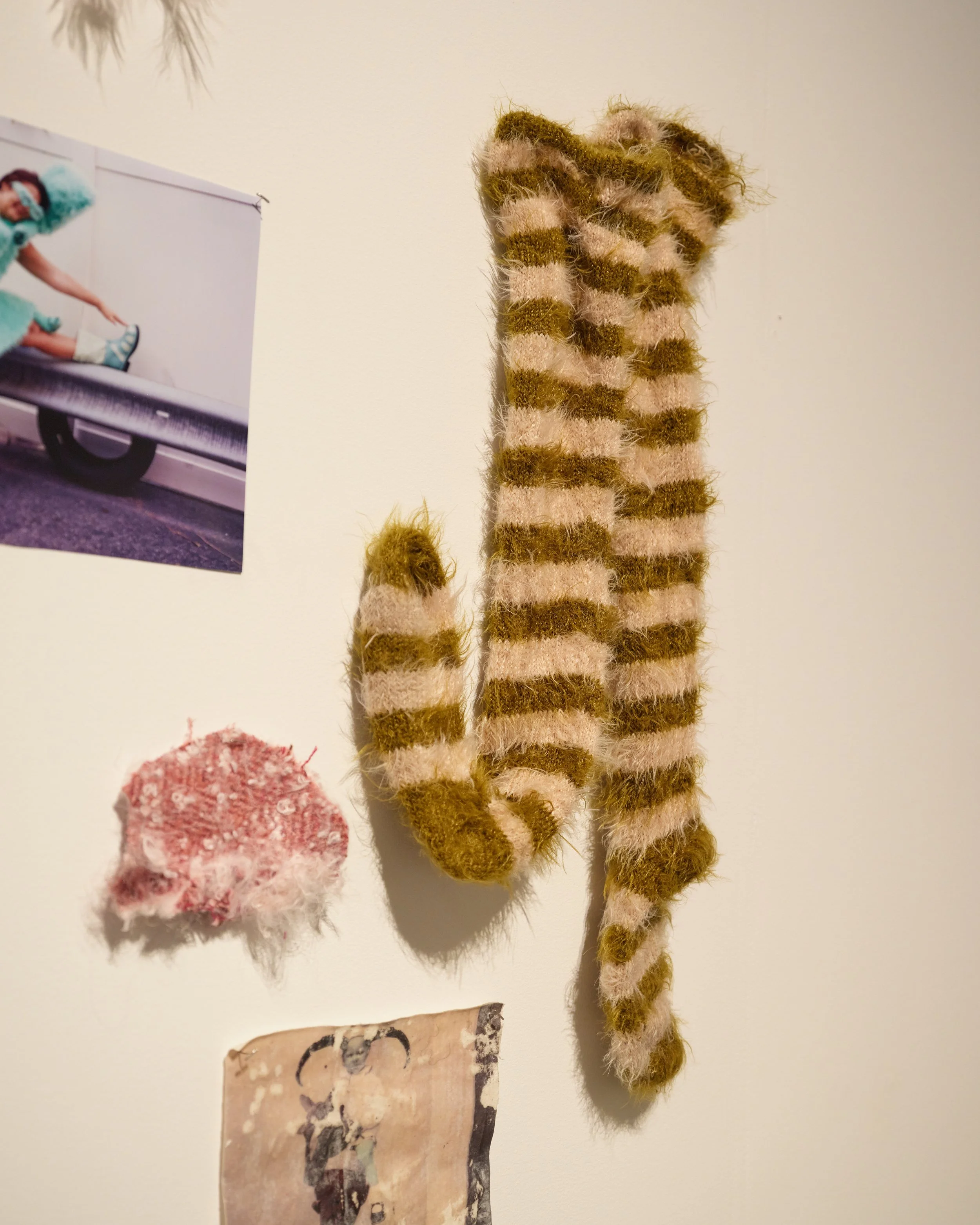
It was the selling of these pieces that afforded my mother the one-way ticket to England where she would start her new life and create our family. This story opened my curiosity to explore traditional Romanian garments and culture, obsessing over the intricate embroidery techniques used and unique tapestries. From this intense and thorough research - design, silhouette, fabrication and even stitch type has been informed and implemented to create a celebration of Romanian culture.
Family is what makes us. These two powerful women in my life are the reason I create.
Grandma
She worked hard as a seamstress, and in the little spare time she had, made beautiful handmade scarves from the scraps she would find around the workplace. It was the selling of these pieces that afforded my mother the one-way ticket to England, where she would start her new life and create our family.
Sustainability
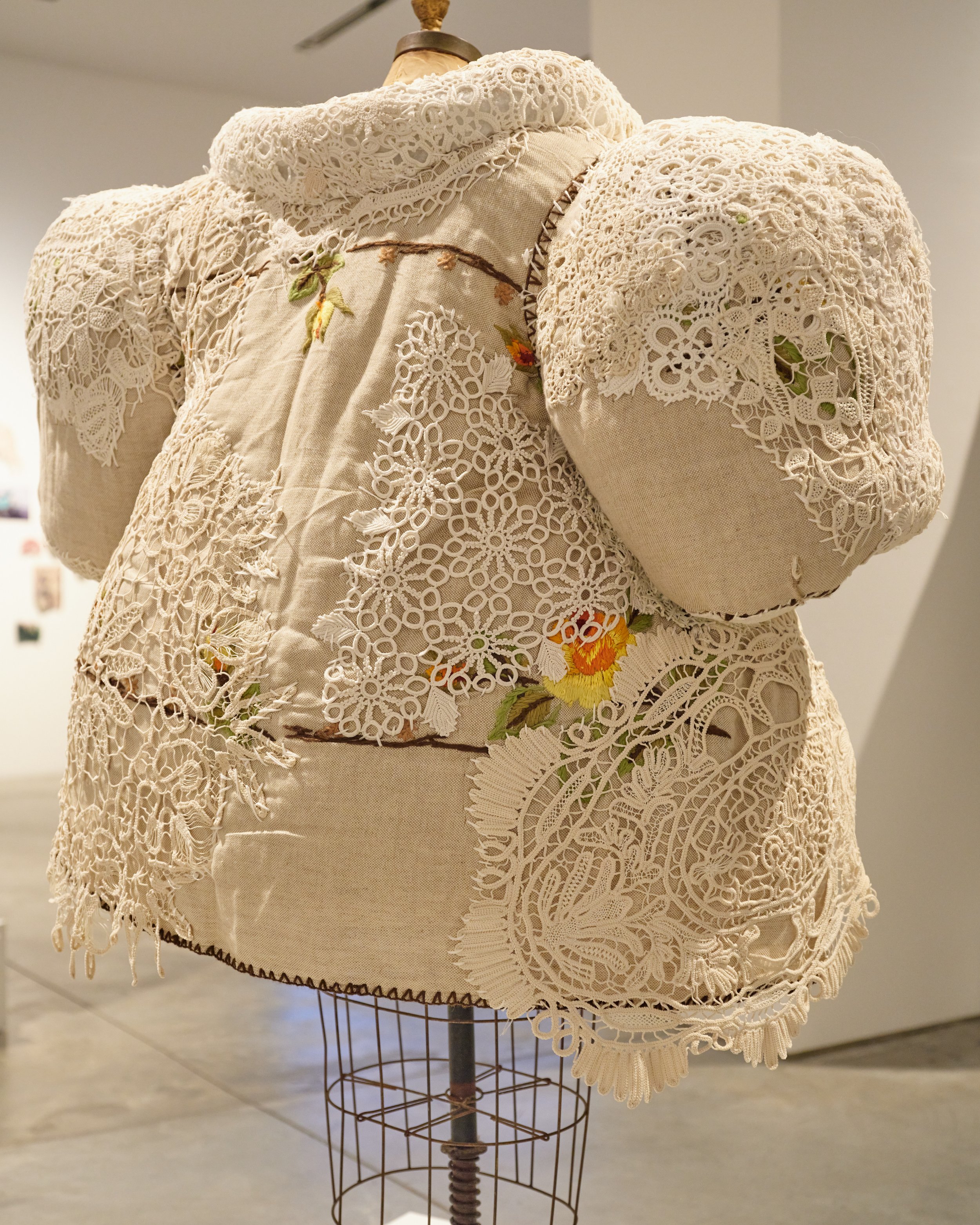
Our biggest source of fabric has been from us collecting discarded materials from romania. This includes tapestries, pillow cases, table cloths, and macrame hangings.
Our mission has always been to give these lonely pieces another chance at life with a new story and purpose. In doing so, we pay homage to the tradition of the craftsmanship and find new innovative ways to reuse them whilst still keeping most of their original form, avoiding any further scraps and waste.
We keep a material storage within our studio from every collection. Ensuring we keep waste to the highest minimum and reuse the fabrics applying new treatments to them so that they are transformed. 70% of our collection is made by hand and each piece takes an average of 42 hours of labor to be completed.
Within our production pieces that we sell, we work with trusted BSCI compliant factories that are open to working with emerging brand with low minimums to avoid any over production and waste of garments. We can ensure that the factories operate with the utmost care and consideration of the environment and their workers.