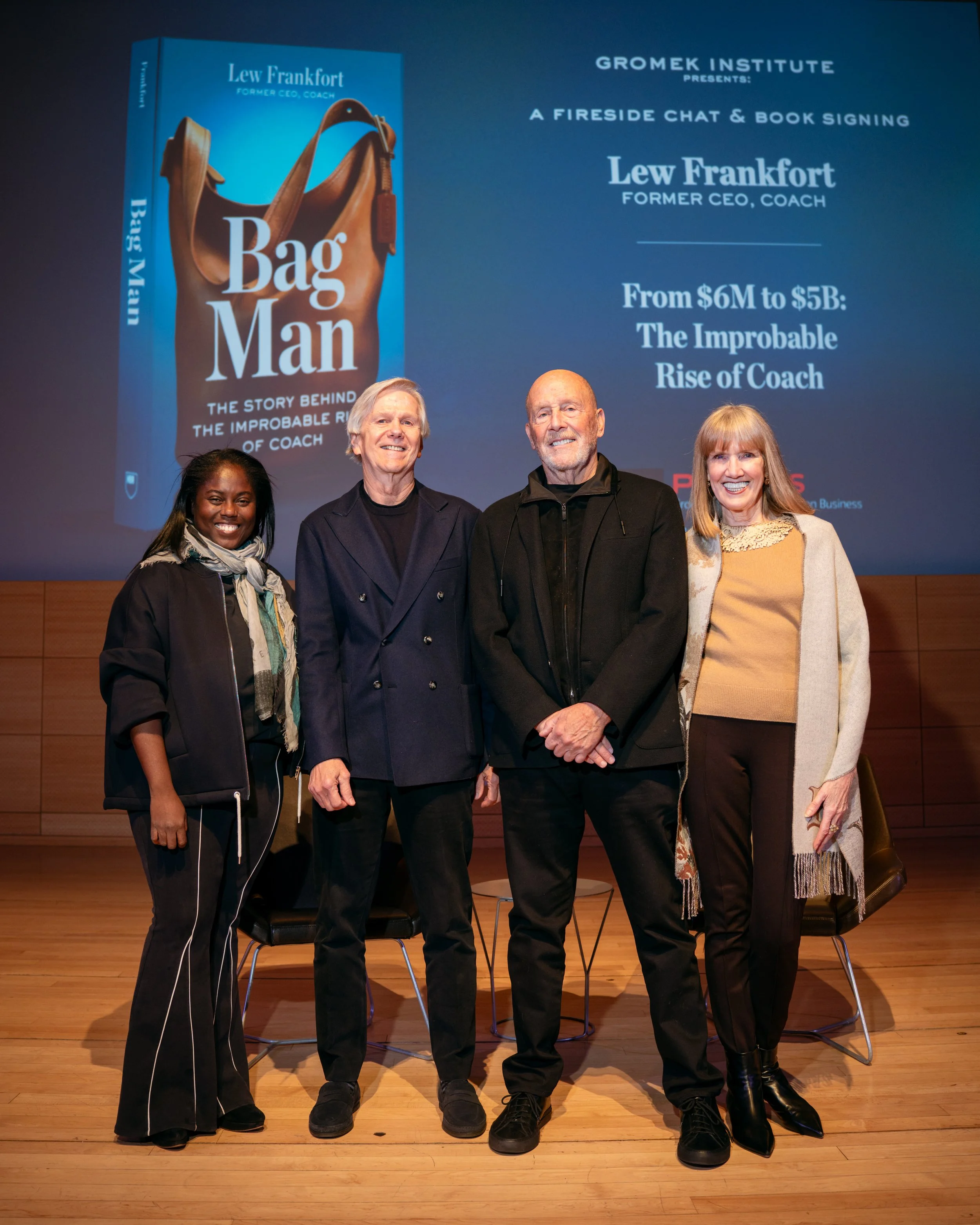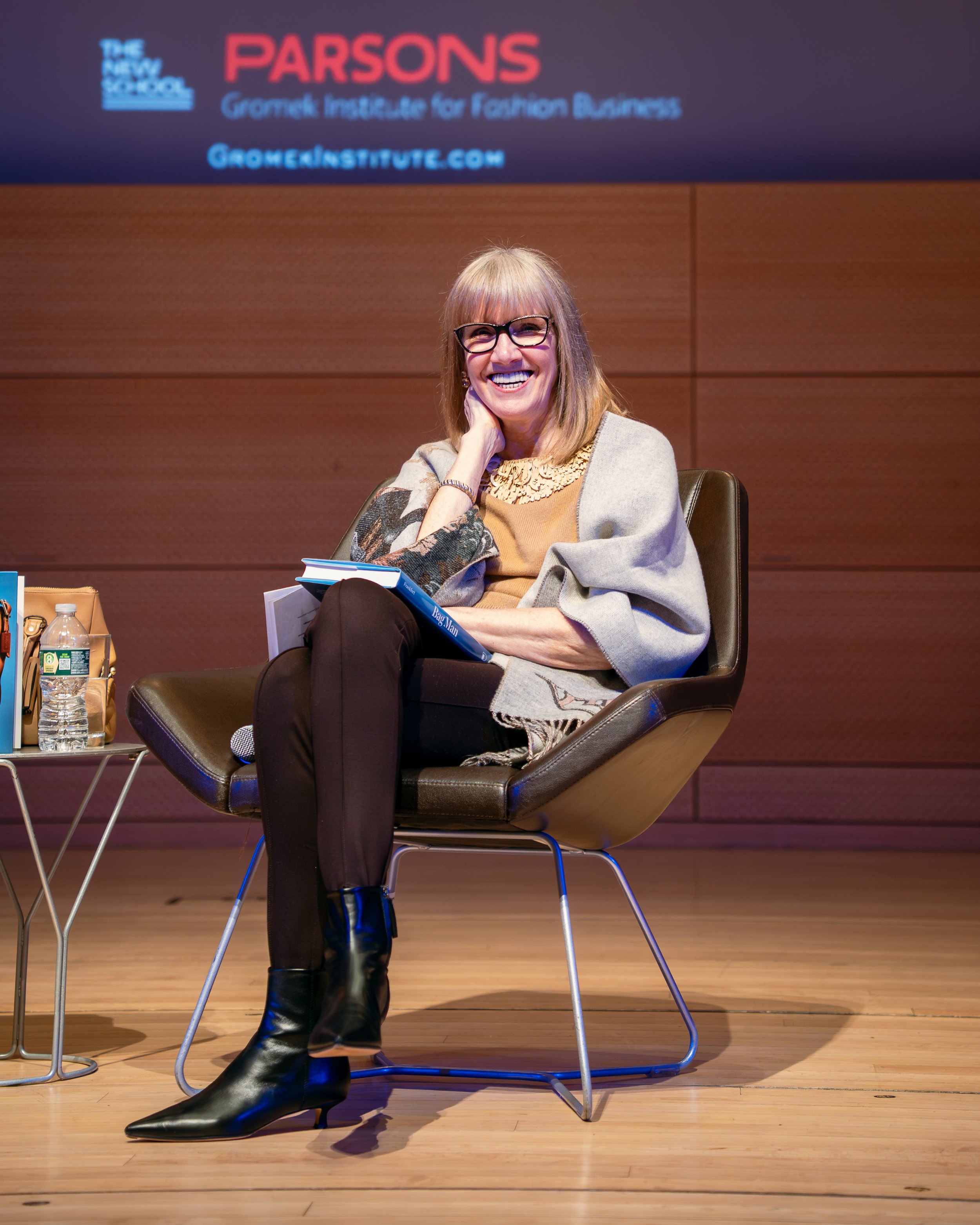
Fireside Chat and Book Signing with Coach's Former CEO, Lew Frankfort
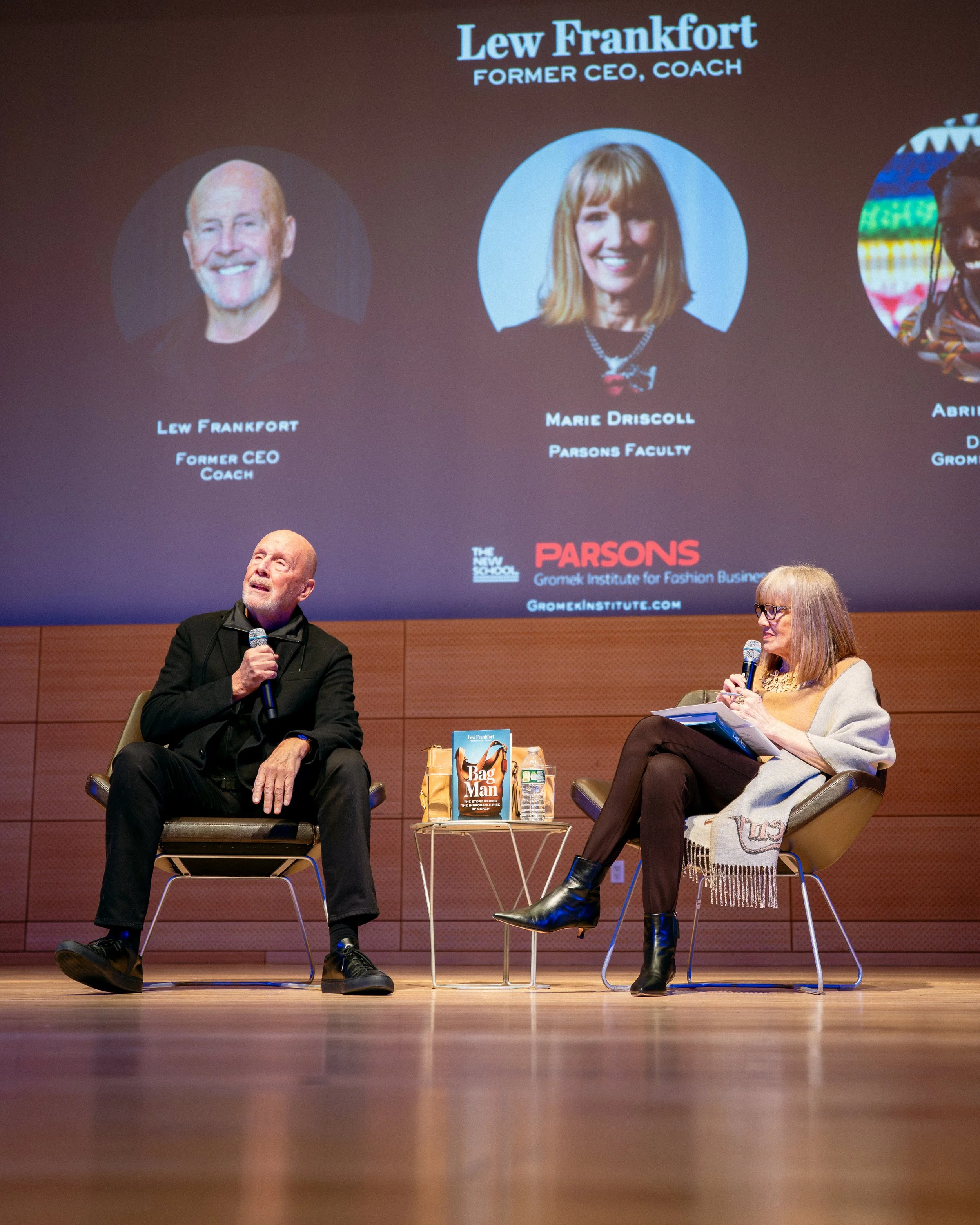
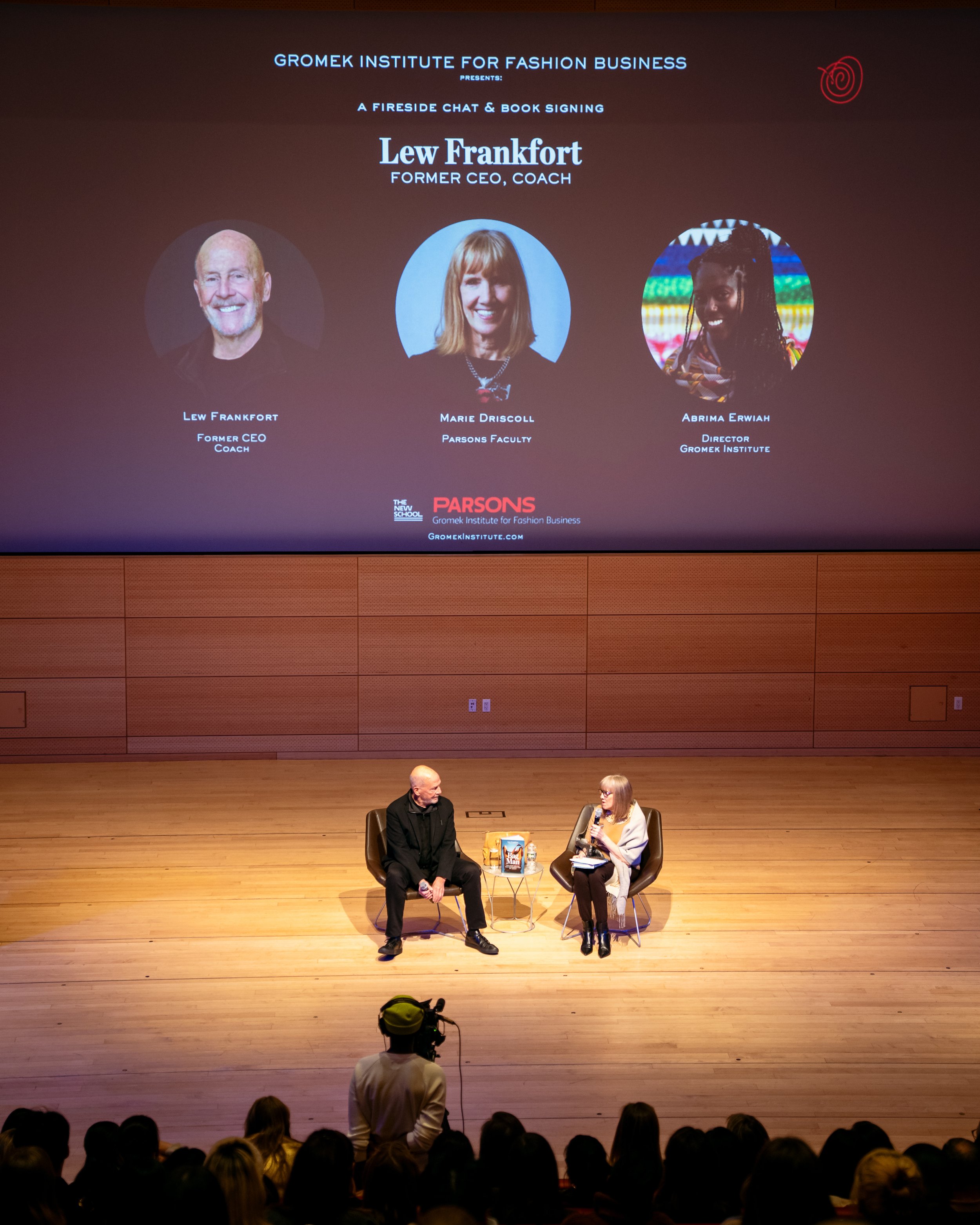
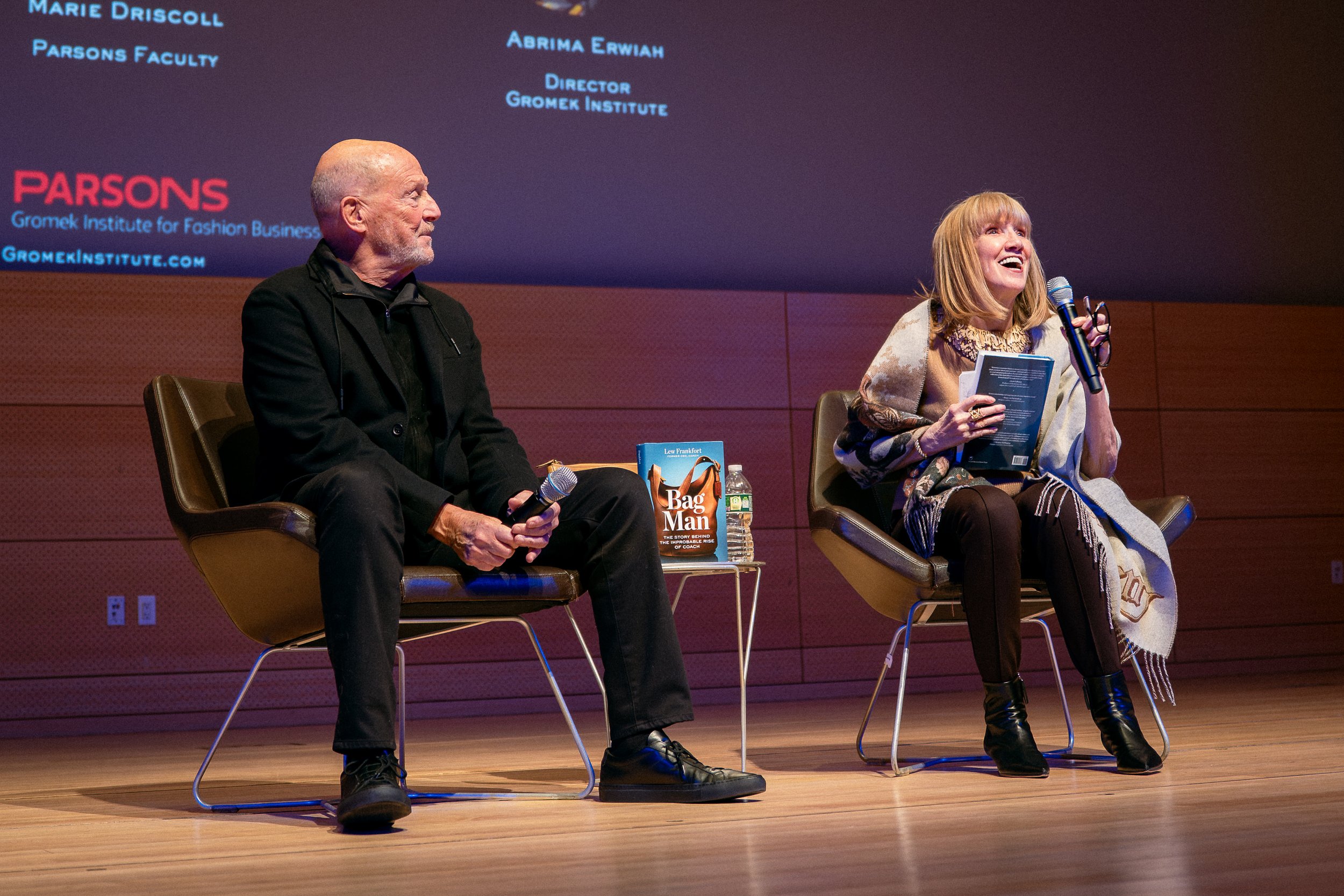
Moderated by Marie Driscoll
“Brands endure when magic meets logic. Magic alone is inspiration; logic alone is operation. A business needs both.”
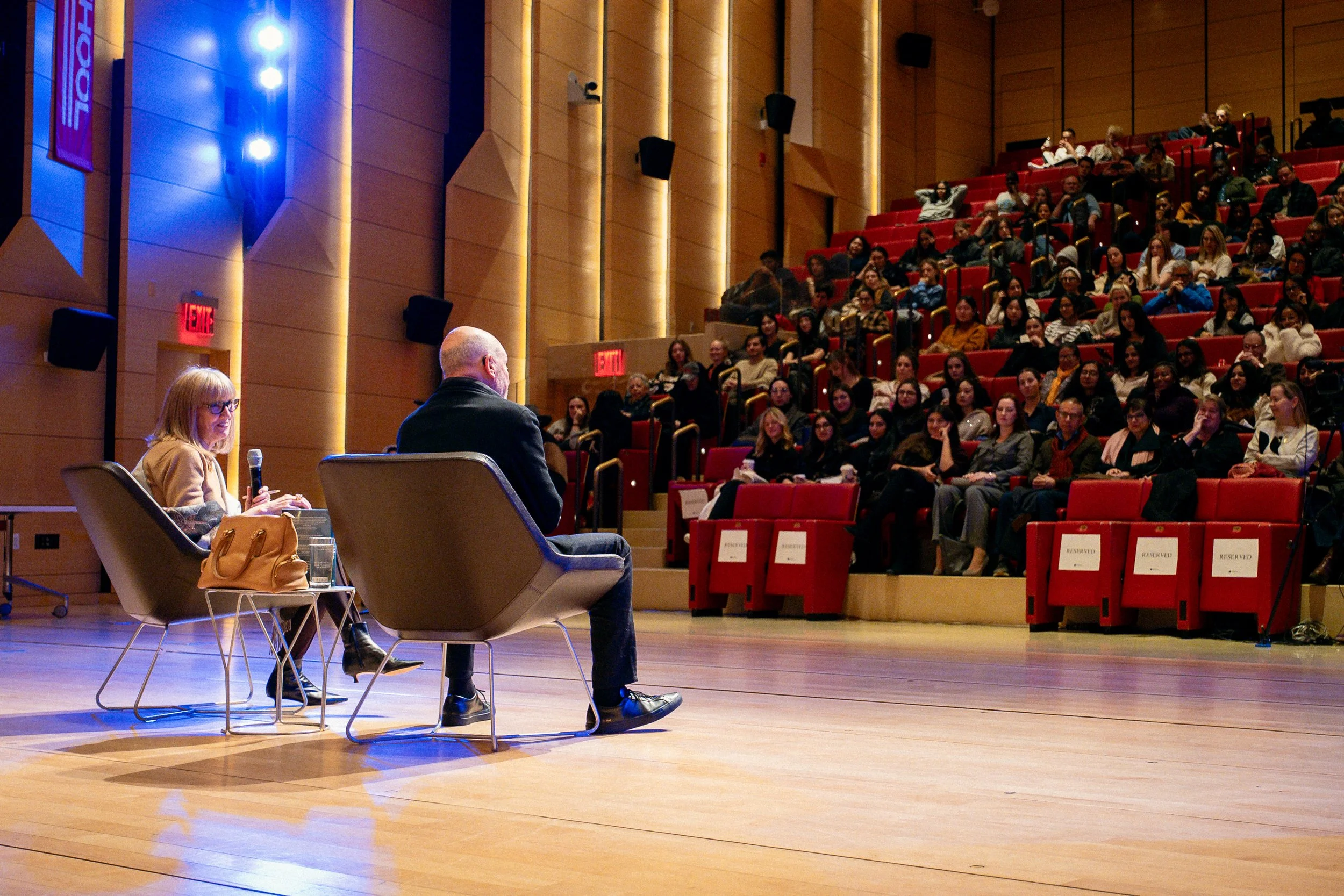
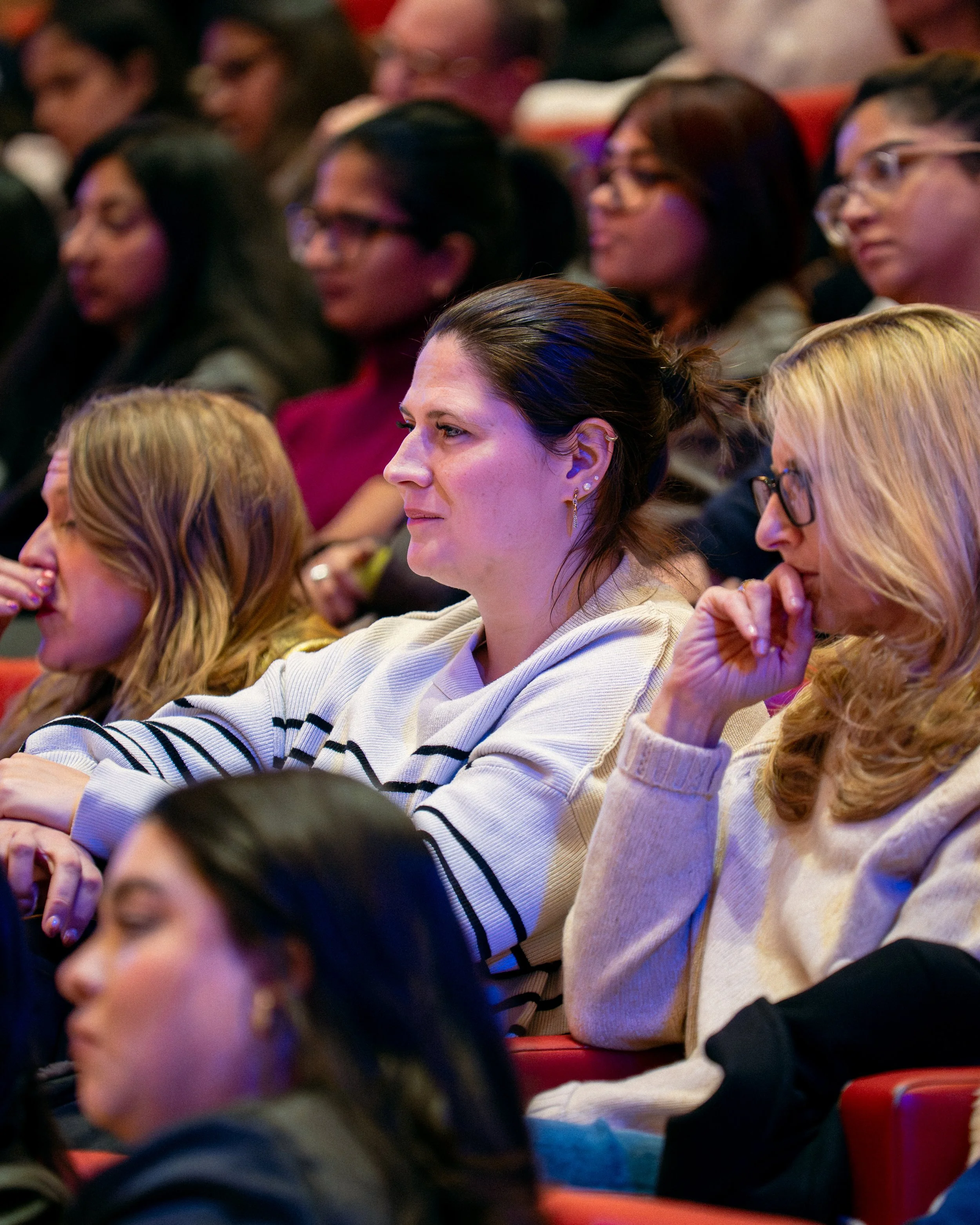
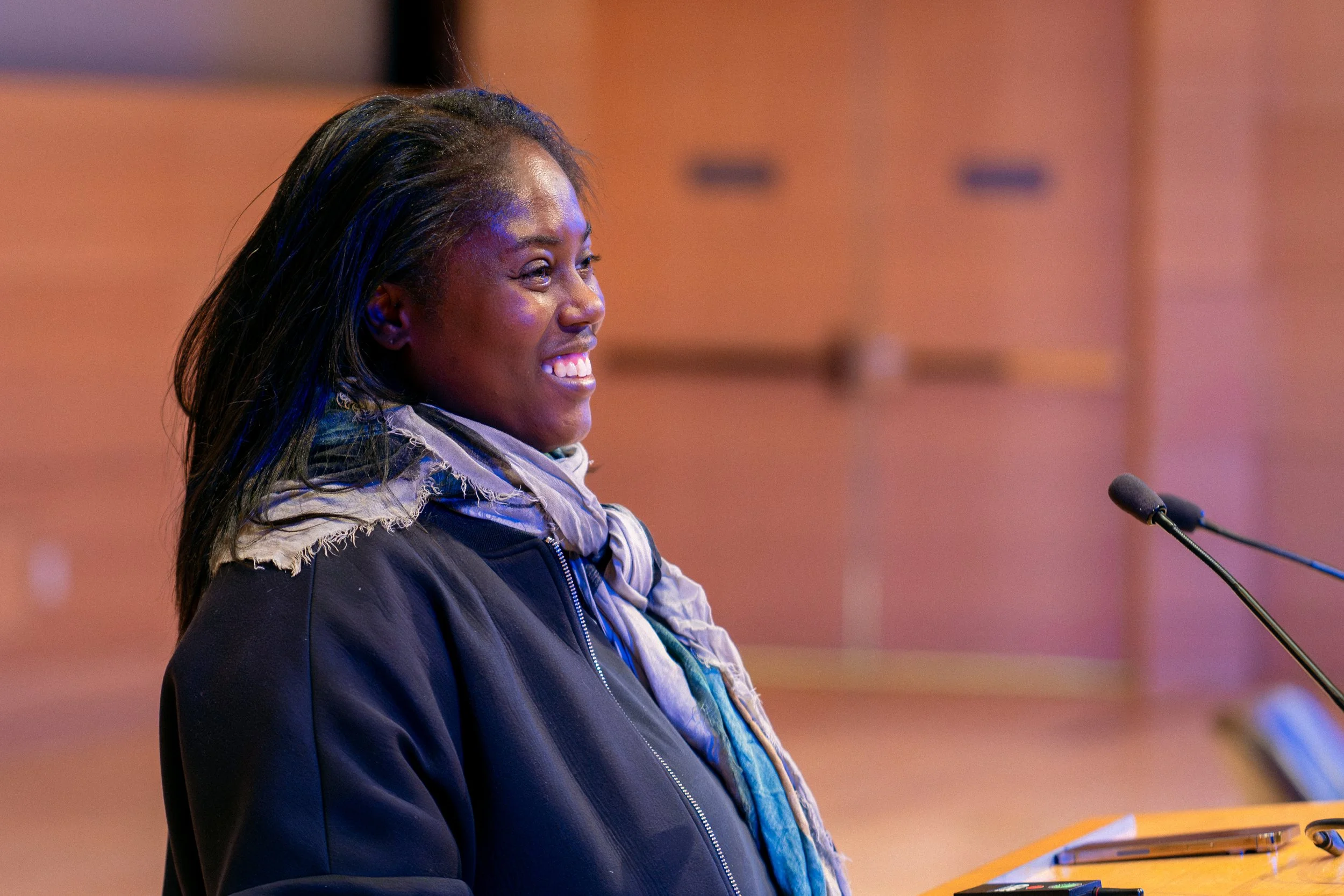
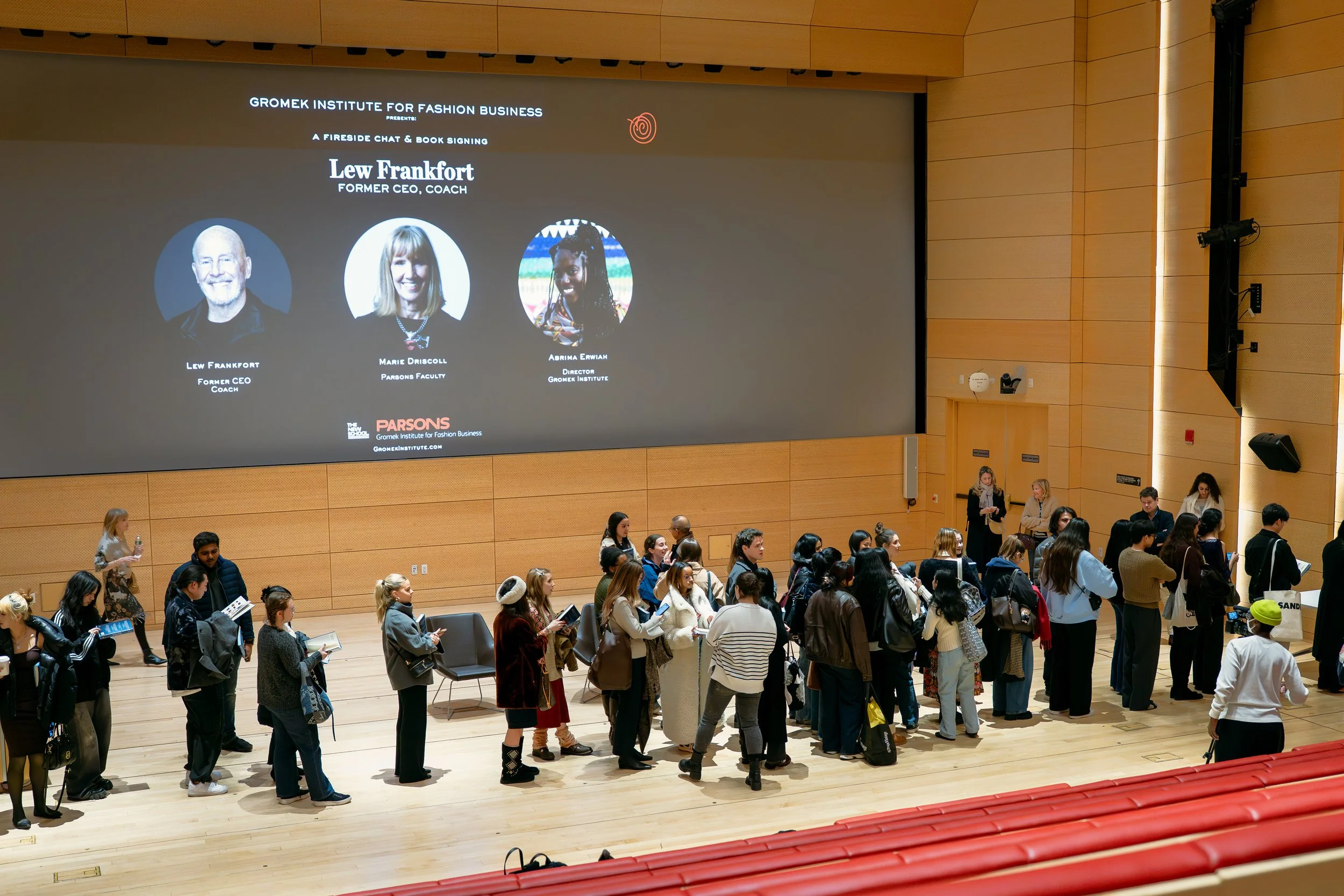
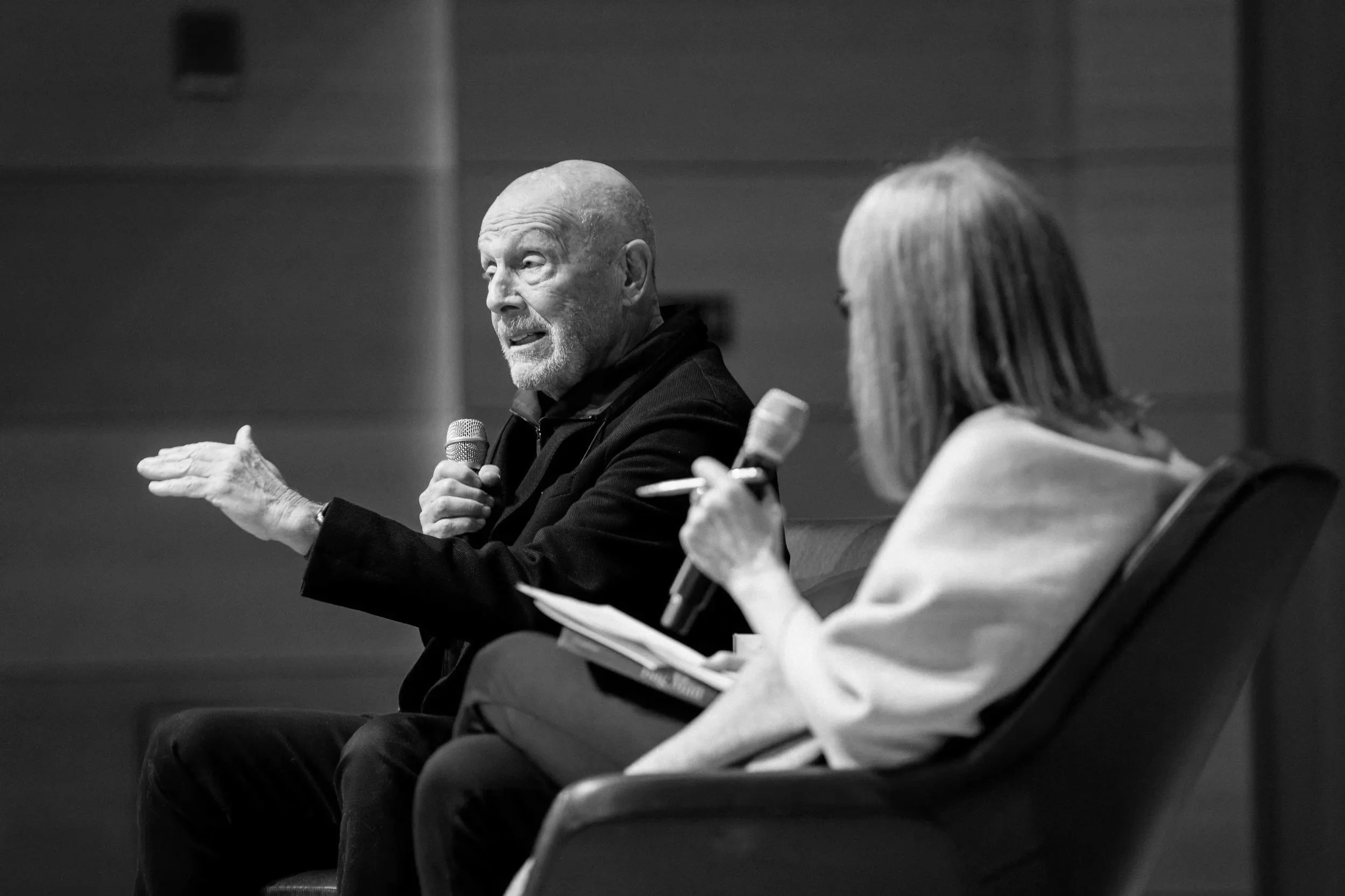
That idea framed an evening with Lew Frankfort, former Chairman and CEO of Coach, hosted by the Gromek Institute for Fashion Business and moderated by retail expert Marie Driscoll. The fireside chat brought together students and industry guests for a conversation about leadership, purpose, and the principles behind enduring brands.
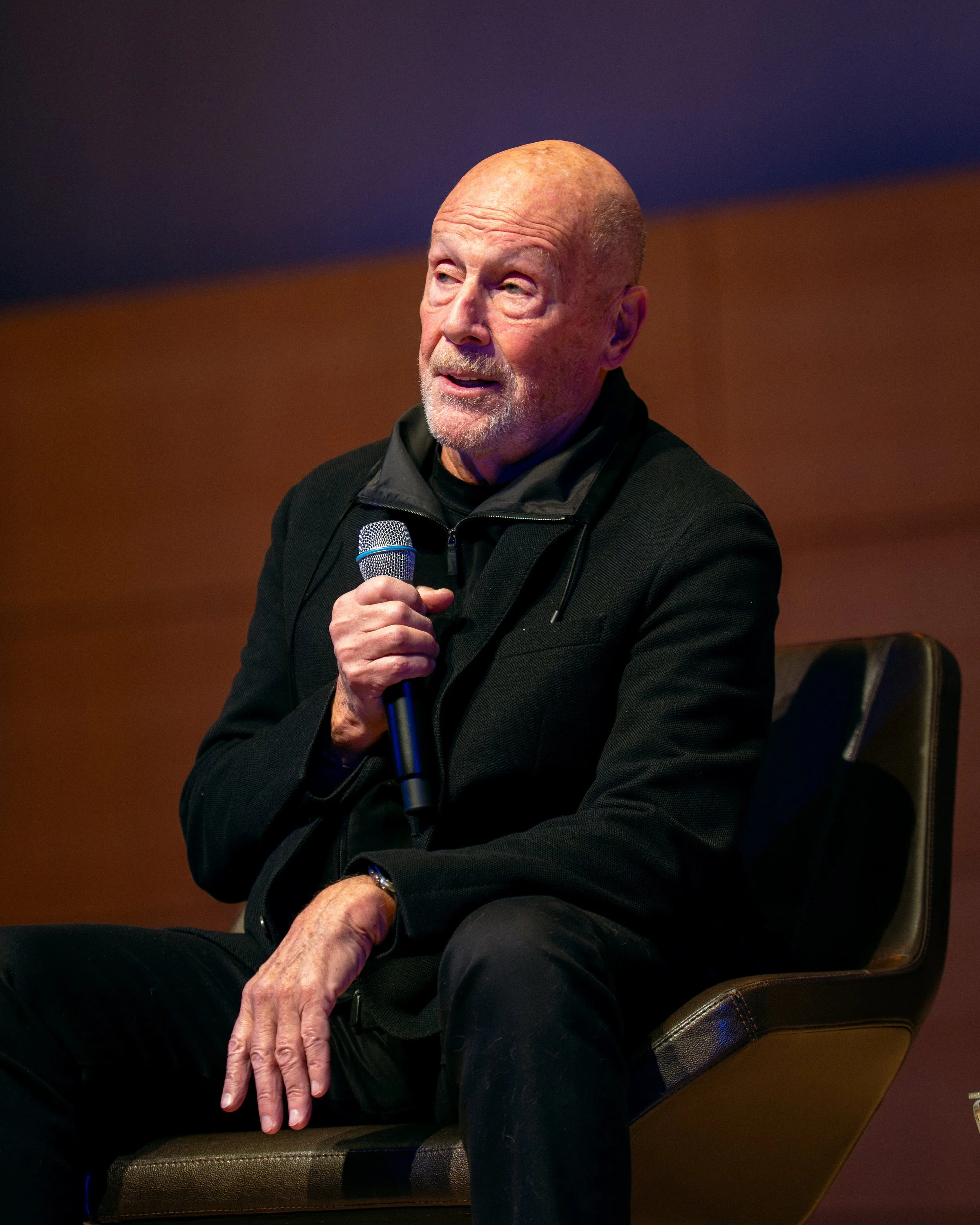
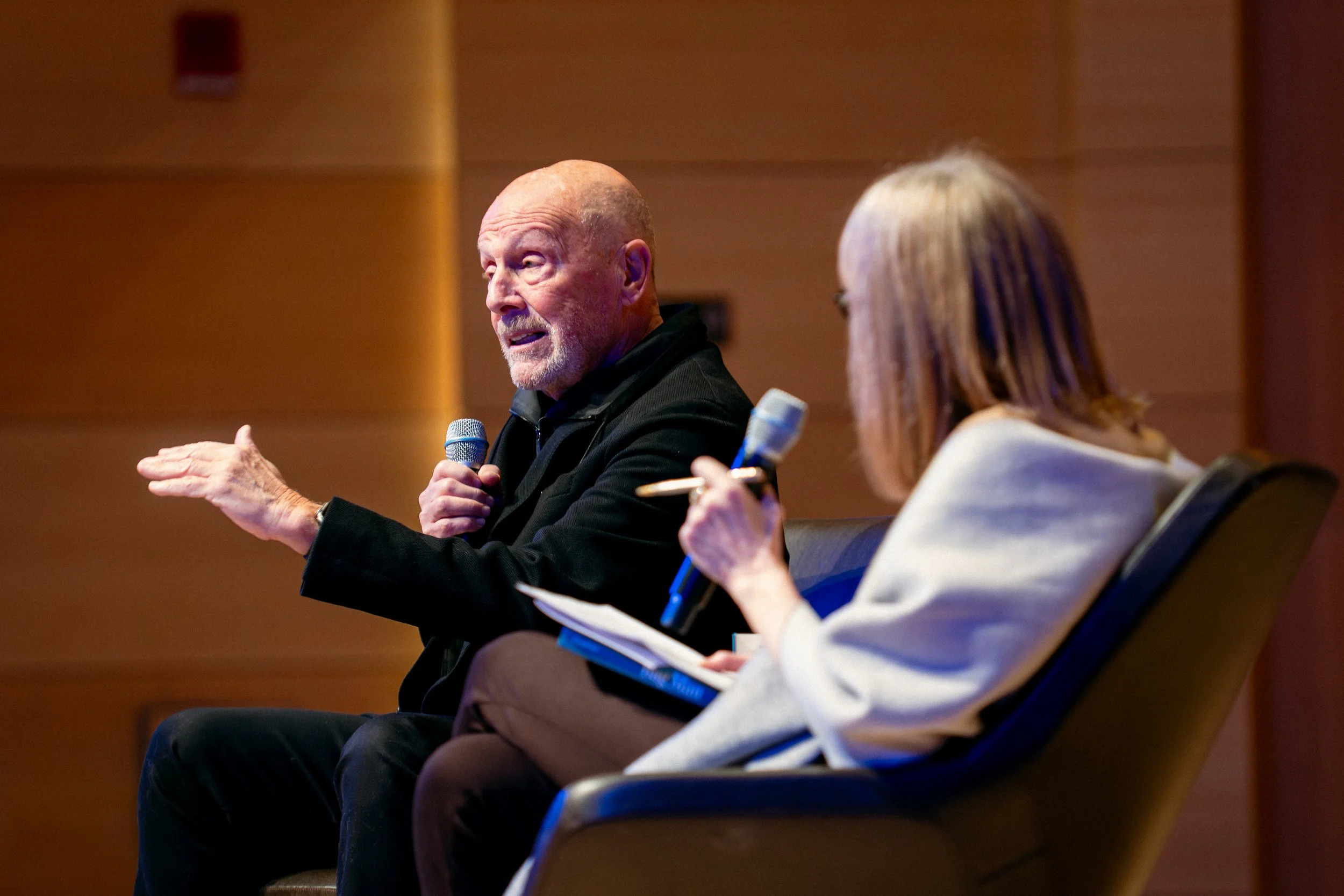
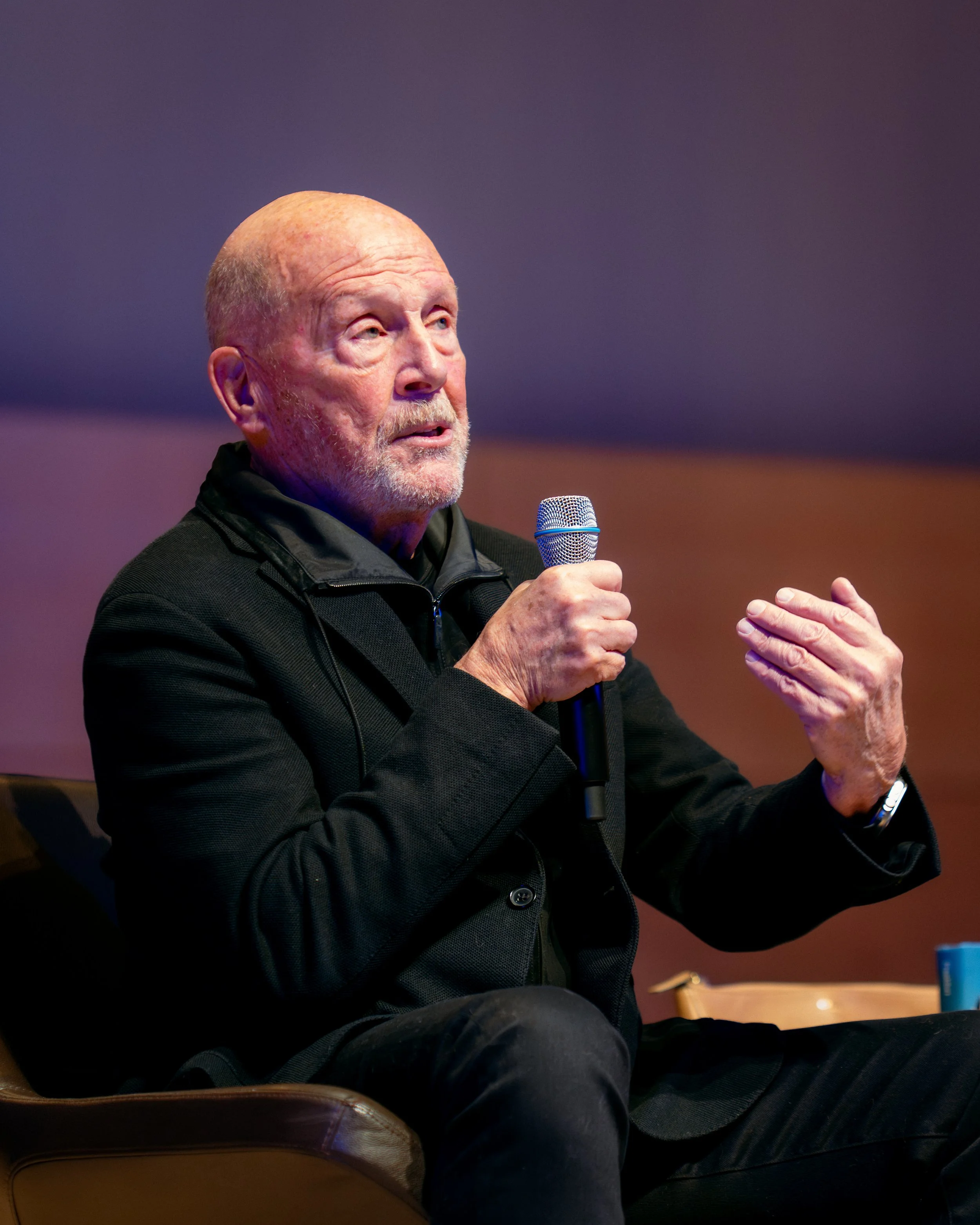
Frankfort spoke about his philosophy of “magic and logic,” his belief that consumer understanding is the foundation of brand building, and his conviction that authenticity remains a company’s most powerful tool. He also reflected on resilience, curiosity, and the future of the fashion industry, topics that resonated deeply with a student audience preparing to enter it.
A Dialogue with Students
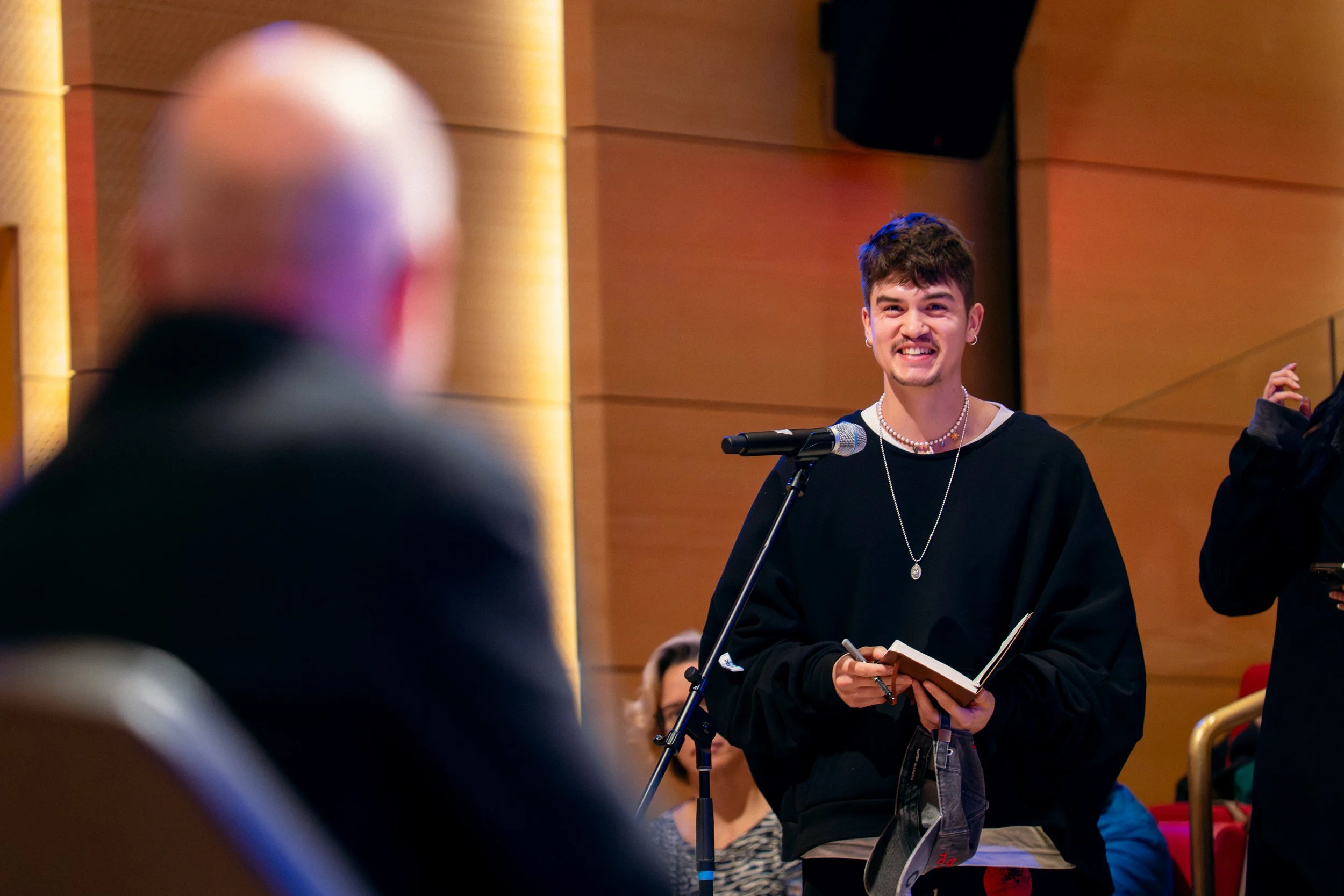
Some of the evening’s most memorable moments unfolded during the Q&A, when students connected classroom learning with real-world leadership.
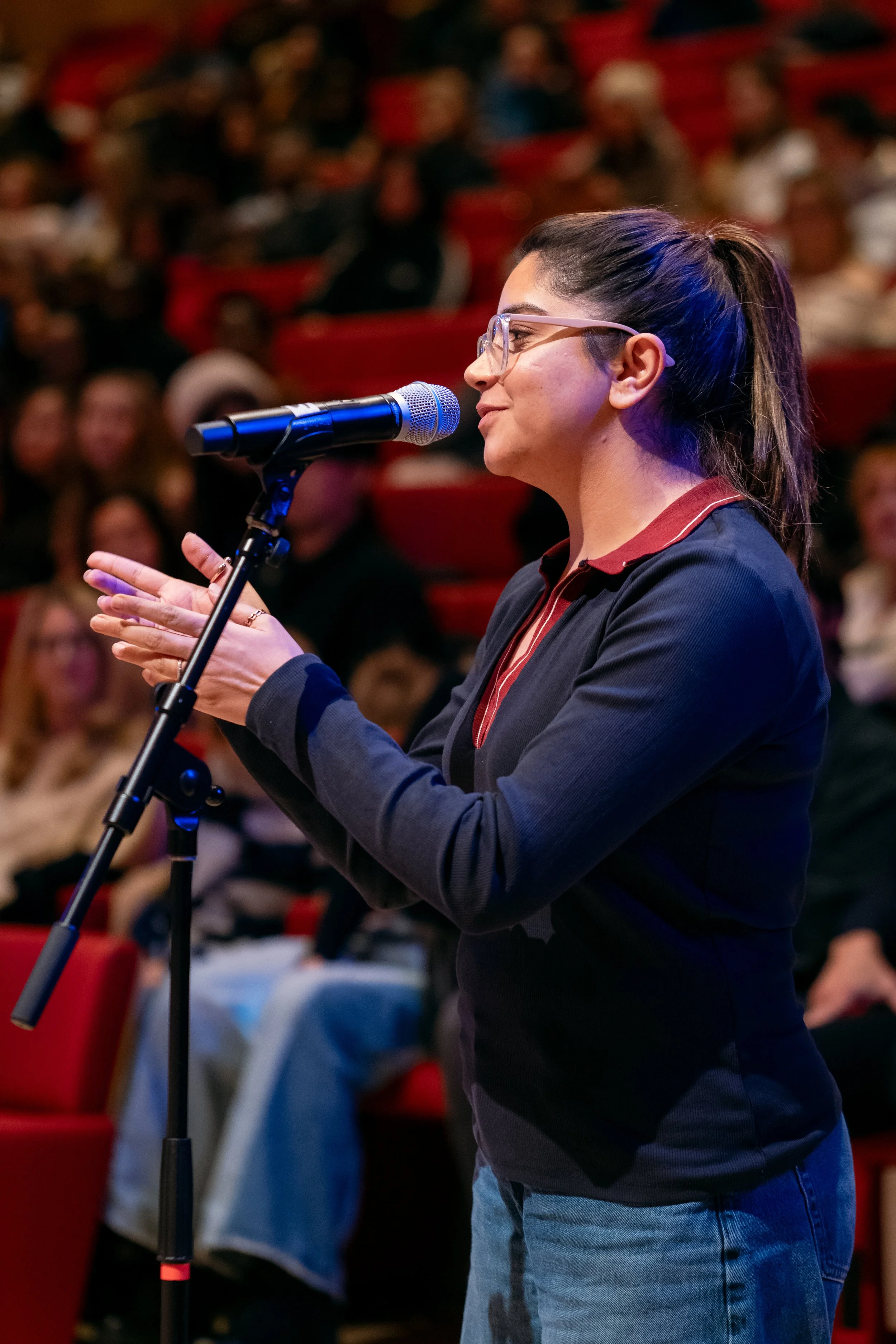
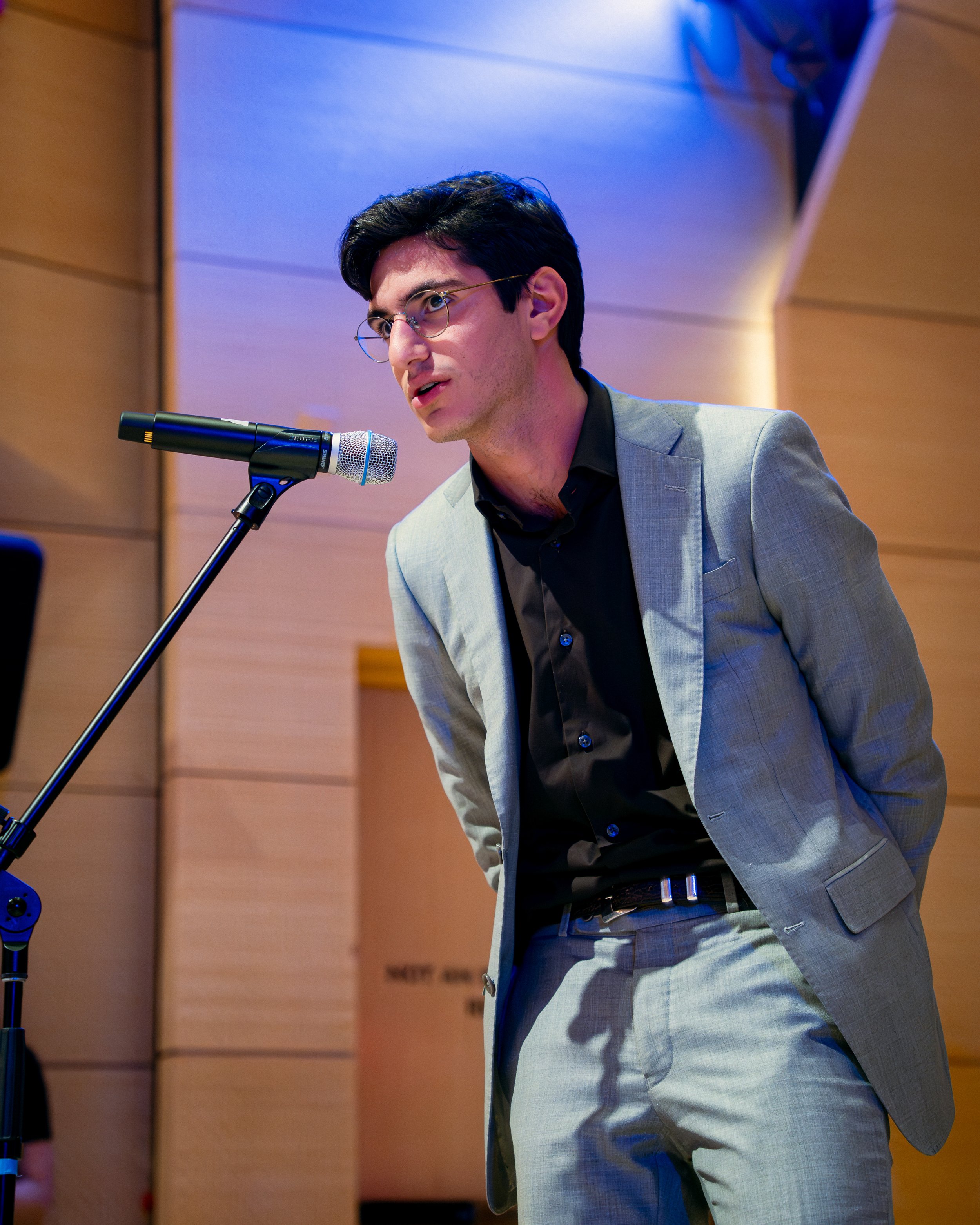
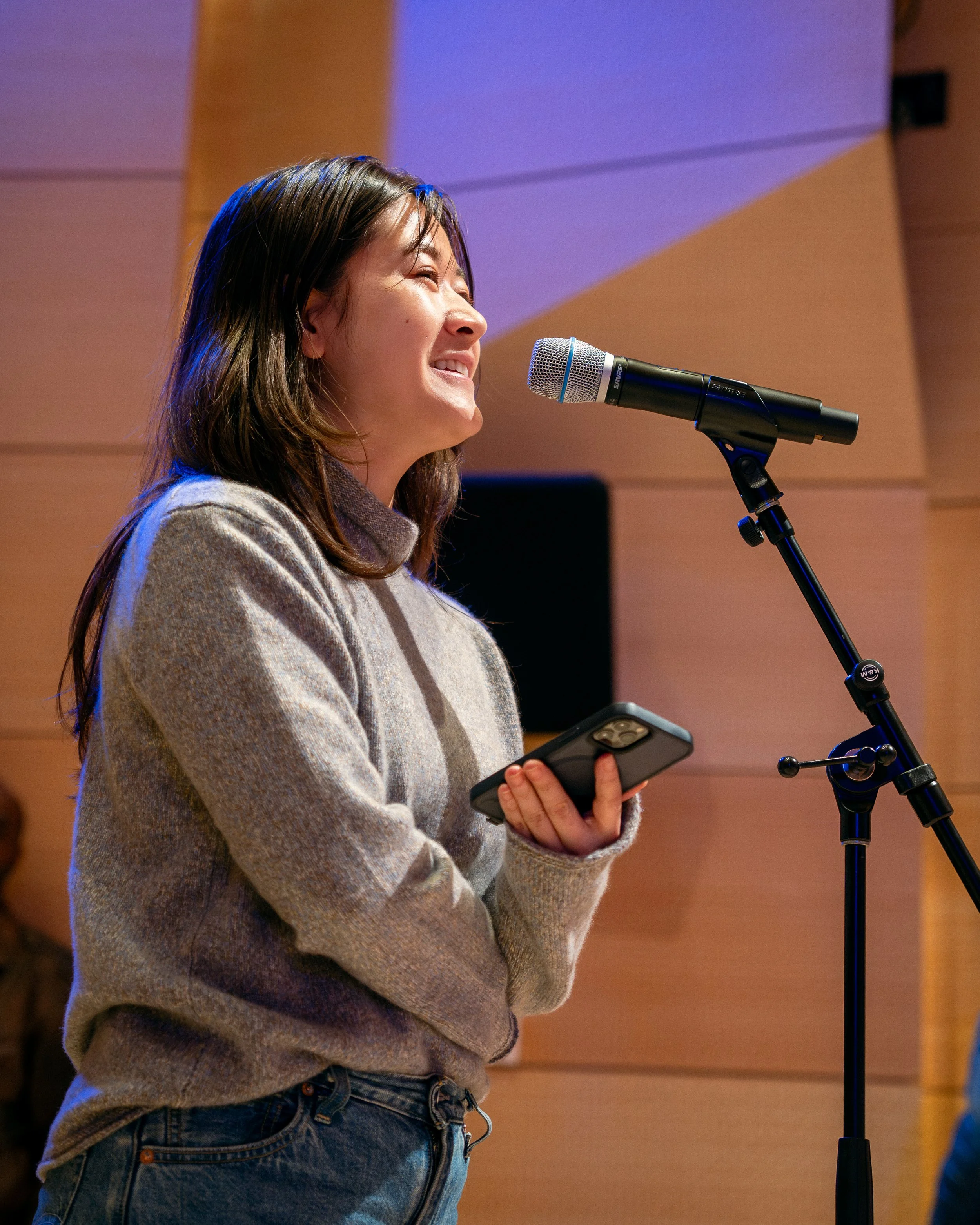
Juan, a business student, asked Lew about choosing his successor and the lessons that followed. Sarah, a first-year MA Fashion Studies student, asked about Coach’s upcycling and sustainability initiatives. Later, Navpreet Kaur, a Fashion Management student, spoke candidly about navigating fear and ambition early in her career.
Frankfort answered with candor and generosity. He encouraged students to stay grounded, to pay attention to their physical and emotional well-being, and to keep moving forward with curiosity rather than certainty.
After the event, Navpreet reflected, “Hearing Lew talk openly about failure and resilience made me feel less alone in my own journey. It reminded me that growth is not linear.”
The Evening
“Sometimes you have to choose the wrong opportunity to find the right destiny,” Lew Frankfort said, addressing a packed auditorium at The New School. His remarks revealed as much about humanity and intuition as about business strategy.
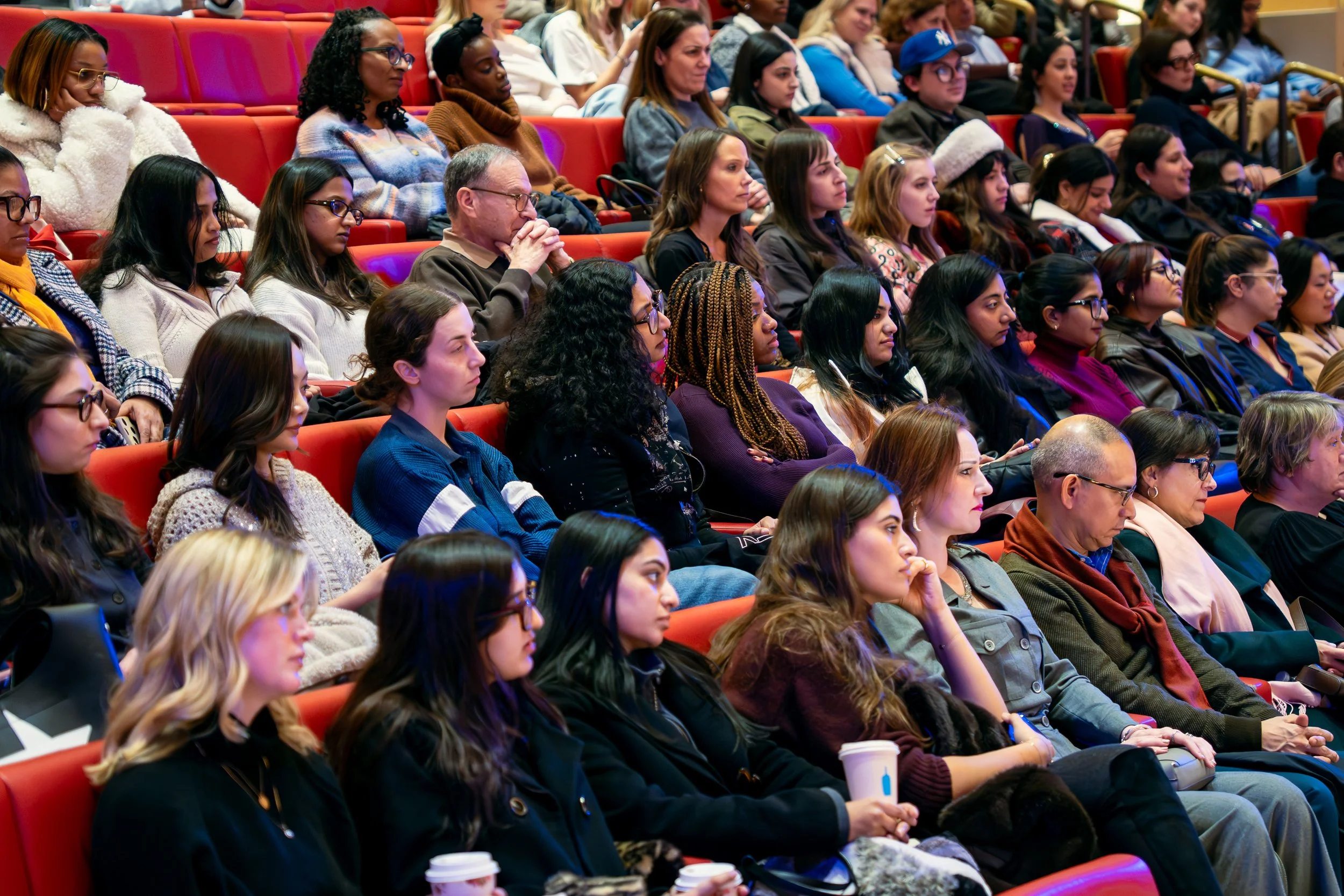
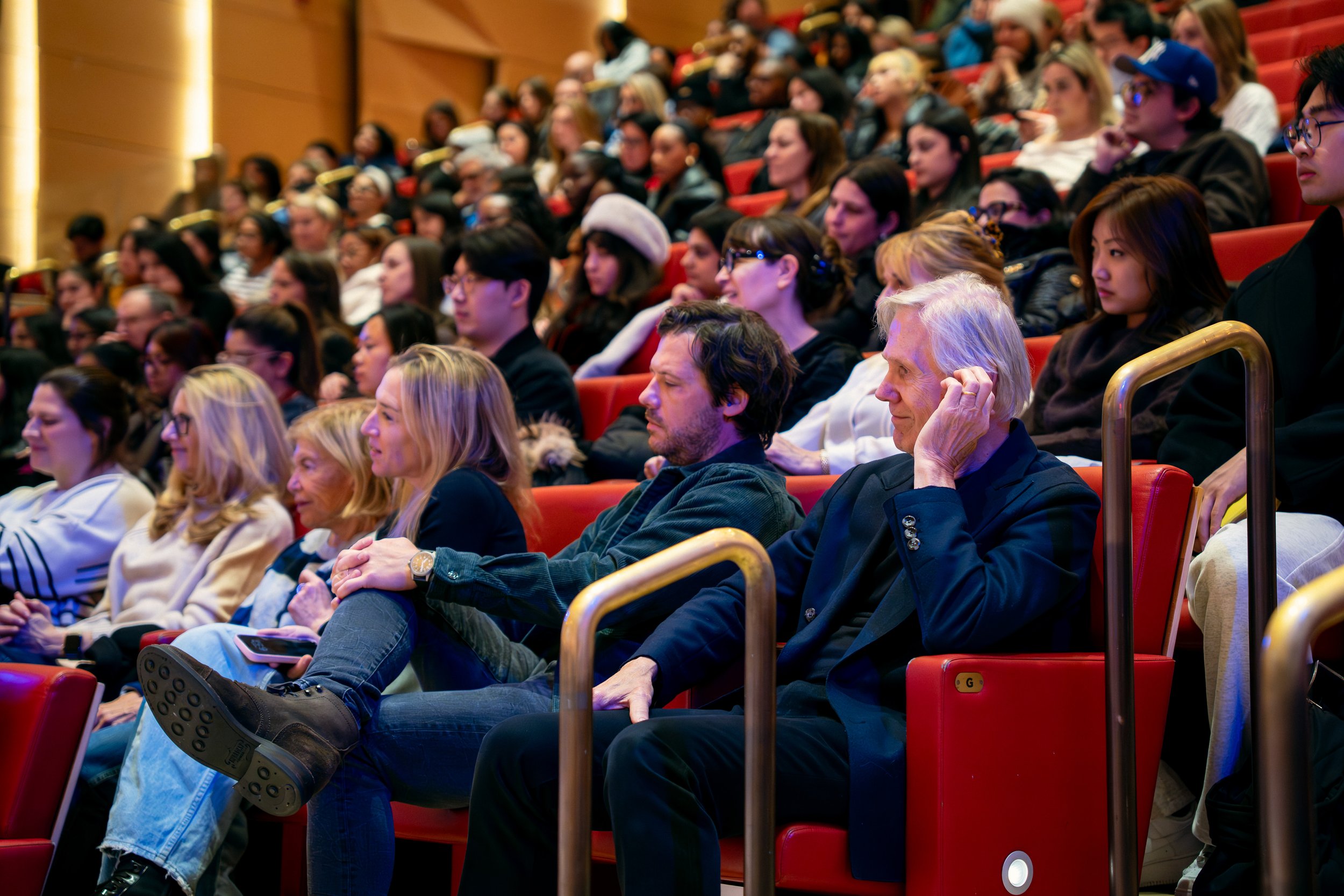
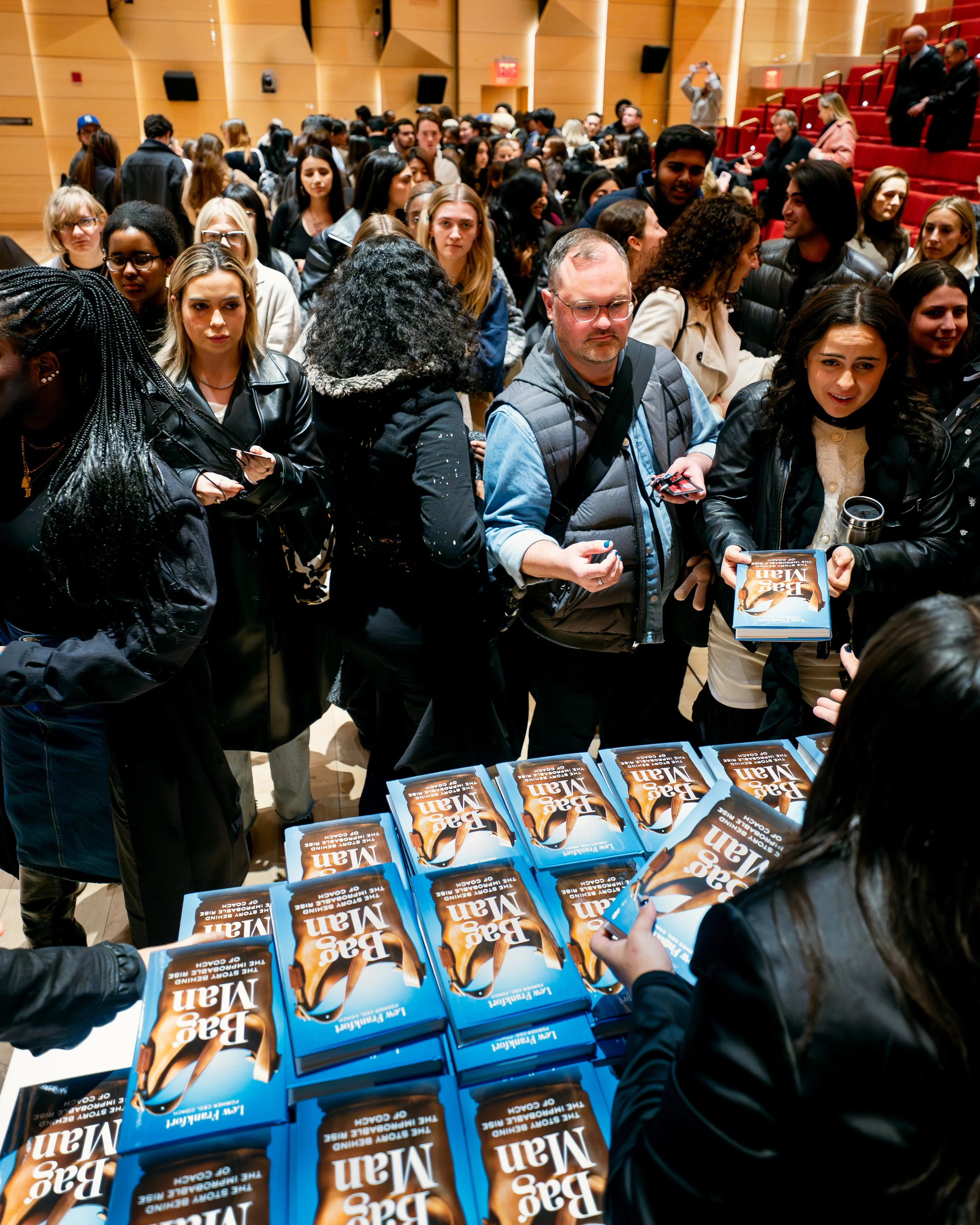
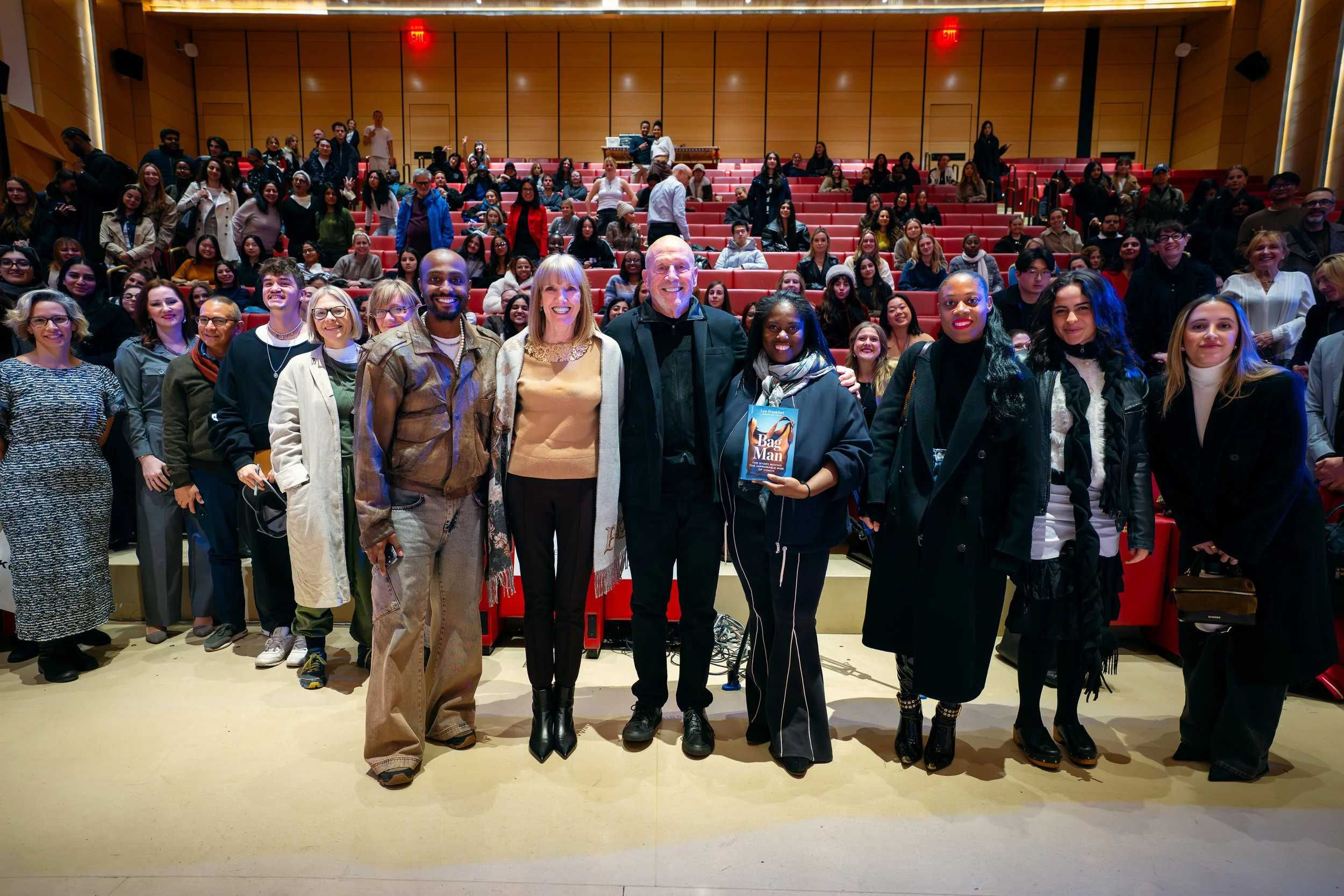
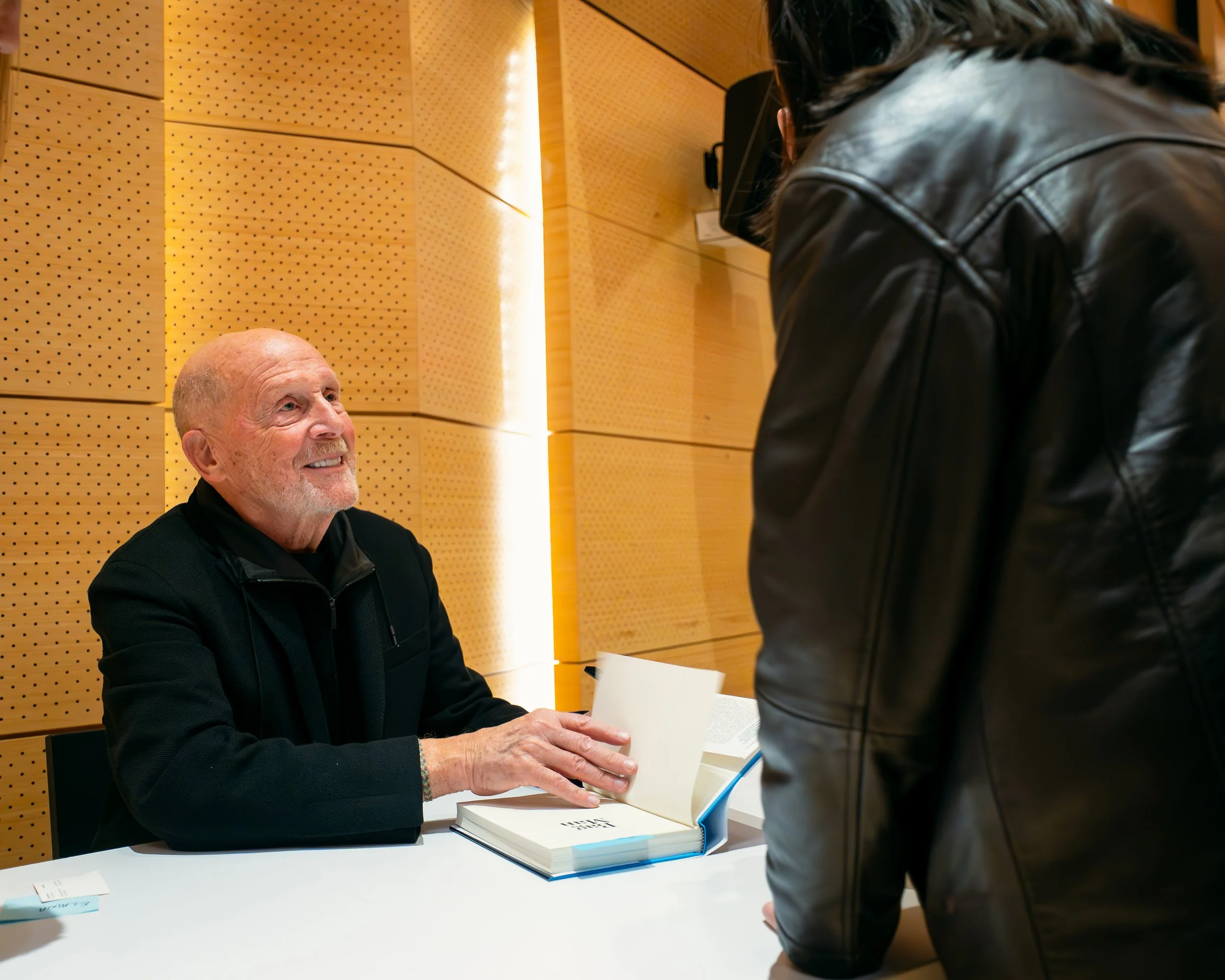
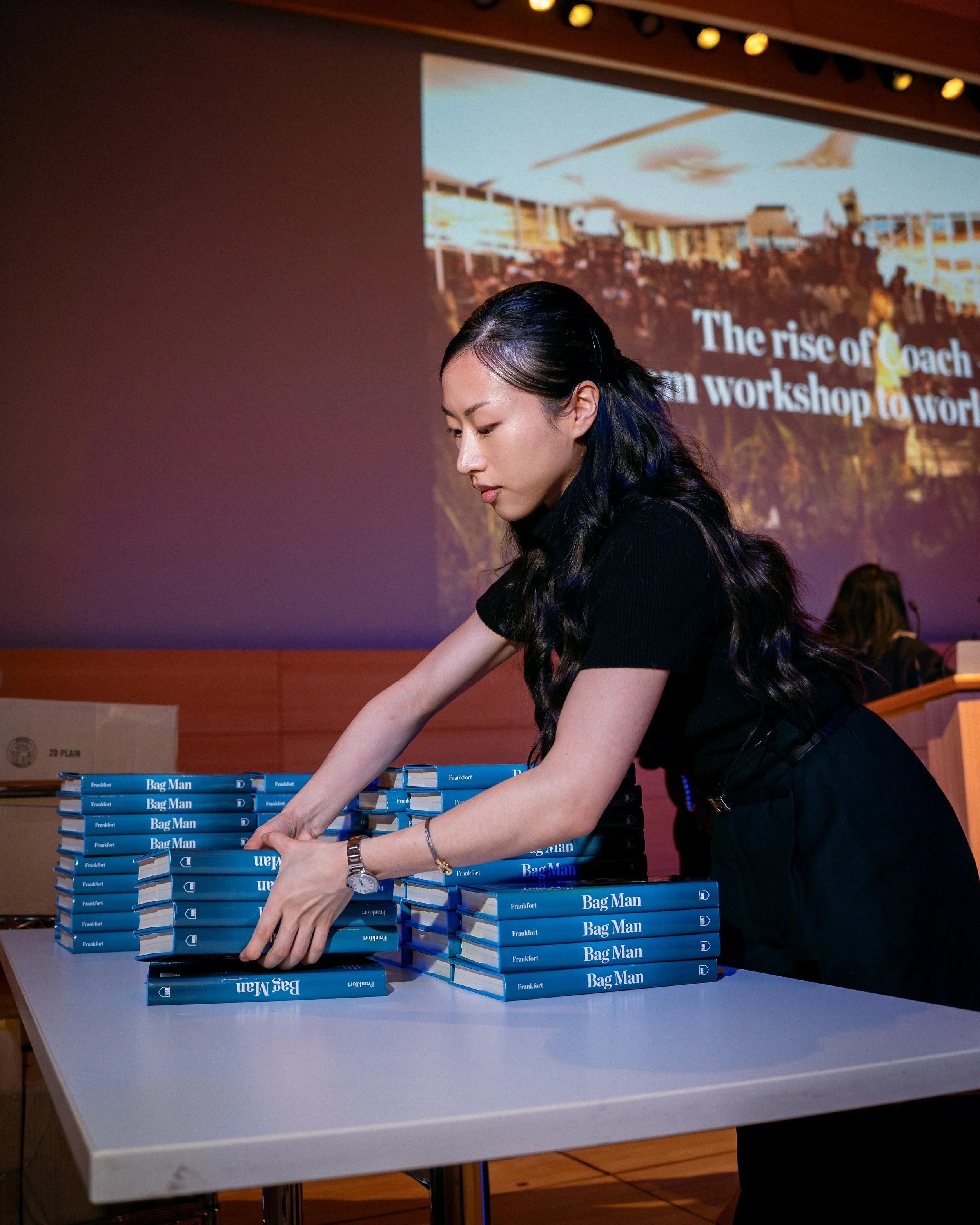
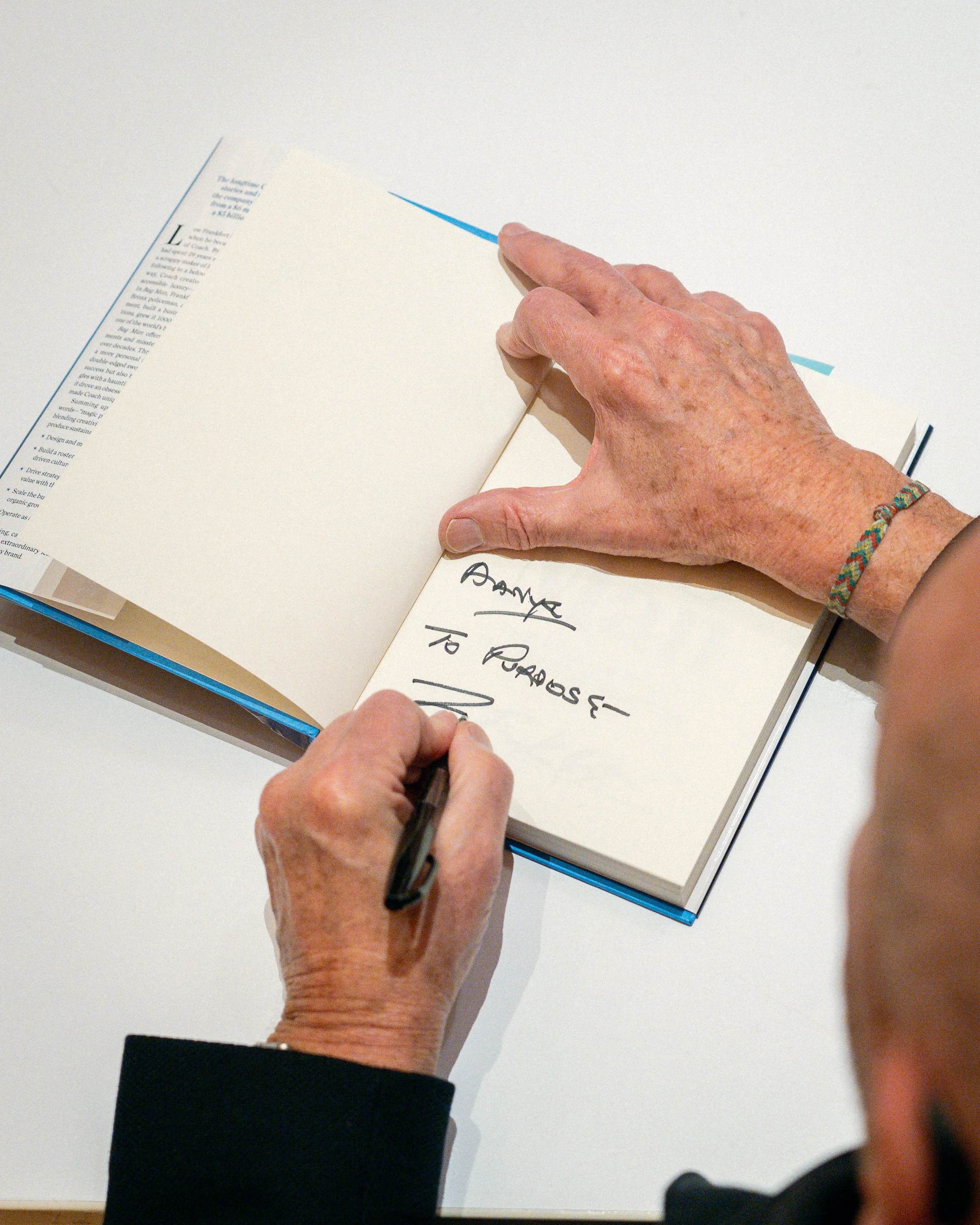
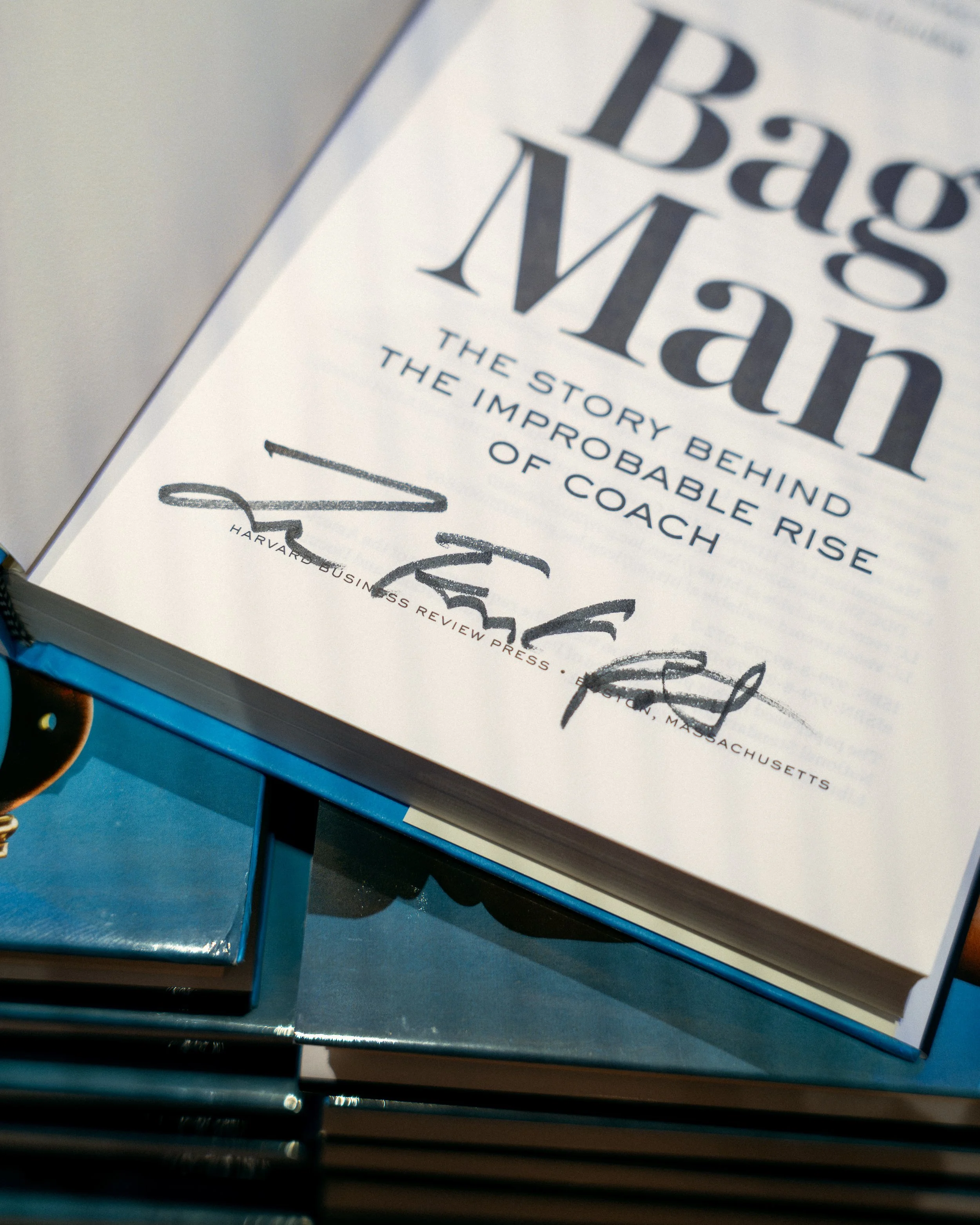
Hundreds of students, alumni, faculty, staff, and industry guests gathered at Tishman Auditorium for the conversation. The tone was warm and candid, offering insight into the mindset behind enduring brands. The evening concluded with a signing of Bag Man, where Frankfort personally hand-signed and personalized each book for attendees.
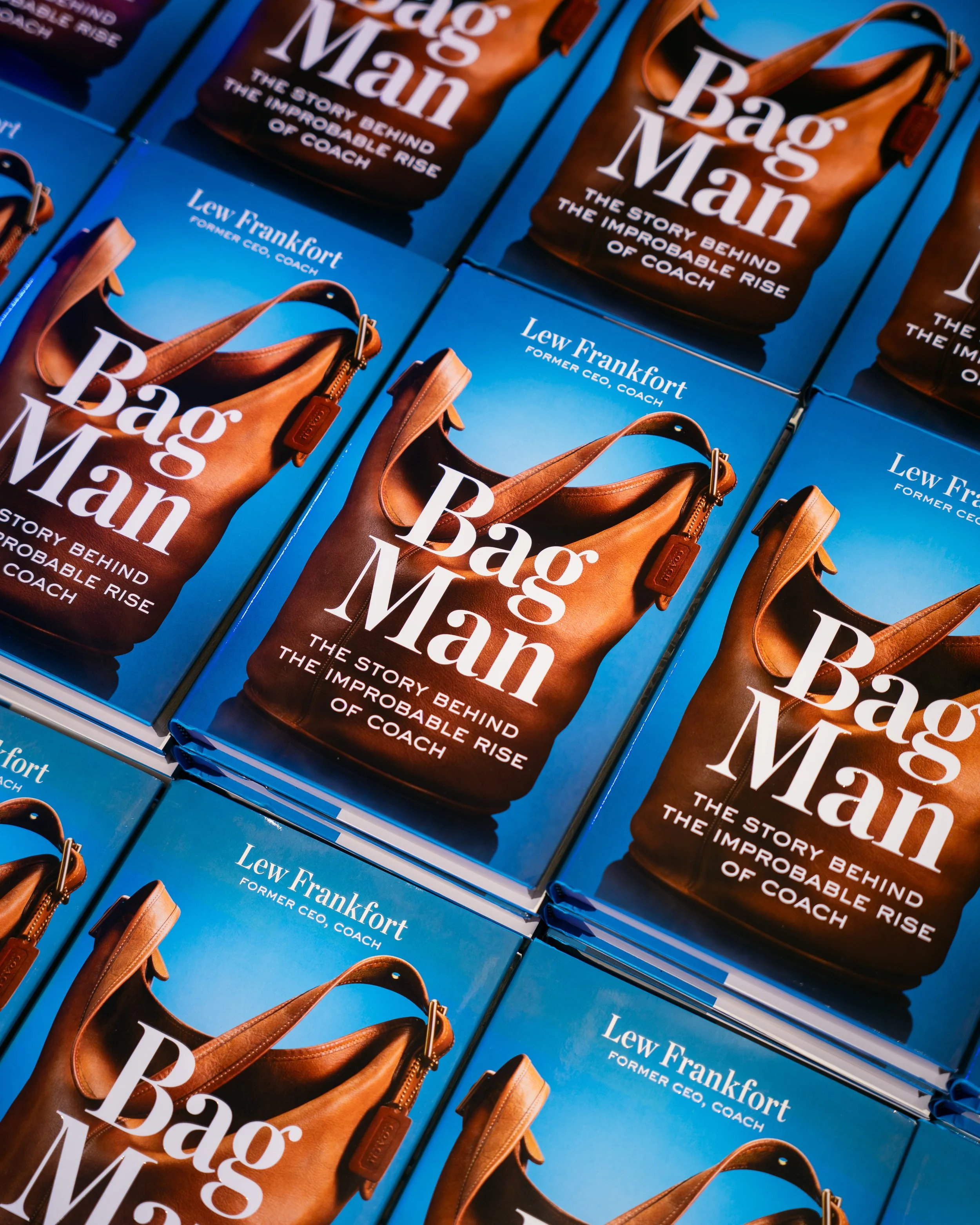
Bag Man: The Improbable Rise of Coach chronicles his 35-year tenure at Coach, but the conversation illuminated the philosophy behind that journey: brand-building grounded not in trend or charisma, but in what Frankfort calls “magic and logic.”
His own path into fashion was unexpected. Before Coach, he spent a decade serving New York City in government, eventually overseeing the Agency for Child Development. After being passed over for a promotion, he began looking for a new direction.
“I did not understand fashion, but I understood people,” Lew said, recalling how a chance taxi ride introduced him to Coach’s founder, who was searching for a protégé defined by values and curiosity rather than fashion experience.
Understanding how people live, what they value, and what they hold close became his compass. When he joined Coach, then a 1960s-era cult favorite, he focused on a simple question: why did people love these bags so deeply? The answer, he explained, was not fashion but relationship. A Coach bag ages with its owner. It holds essentials. It softens and develops patina over time.
“Everything comes down to a single product and a single consumer and the relationship they have,” he said. “That is where a brand lives.”
This fusion of insight and imagination became his guiding framework. Magic meant curiosity, belief, and boldness. Logic meant analytics, discipline, and pattern recognition.
“There is magic in logic and logic in magic,” he told the audience.
Under his leadership, Coach built in-house research capabilities that were rare in the fashion industry at the time. Thousands of consumers were surveyed quarterly, and consumer insight informed both creative and operational decisions. When early signs of fatigue appeared, even during strong sales periods, he acted quickly.
“Fix it now or feel it later,” he said.
The discussion moved easily between business strategy and personal truth. Frankfort spoke openly about fear, illness, and doubt.
“If all you have is fear, you freeze, flee, or fight,” he said. “If you have fear and a North Star, you fight.”
He emphasized listening to the body, recognizing how stress manifests physically, and treating rest, exercise, and reflection as leadership essentials rather than afterthoughts.
Driscoll connected Frankfort’s reflections to broader shifts in retail and consumer culture. They discussed the democratization of luxury, the endurance of American leather goods, the rise of Gen Z as a values-driven generation, and the importance of authenticity in innovation. Frankfort cited Coachtopia and circularity initiatives as examples of evolving responsibly while staying true to brand roots, and pointed to experiential retail, including Coach coffee shops adjacent to select stores, as a way to deepen customer engagement.
Closing Reflections
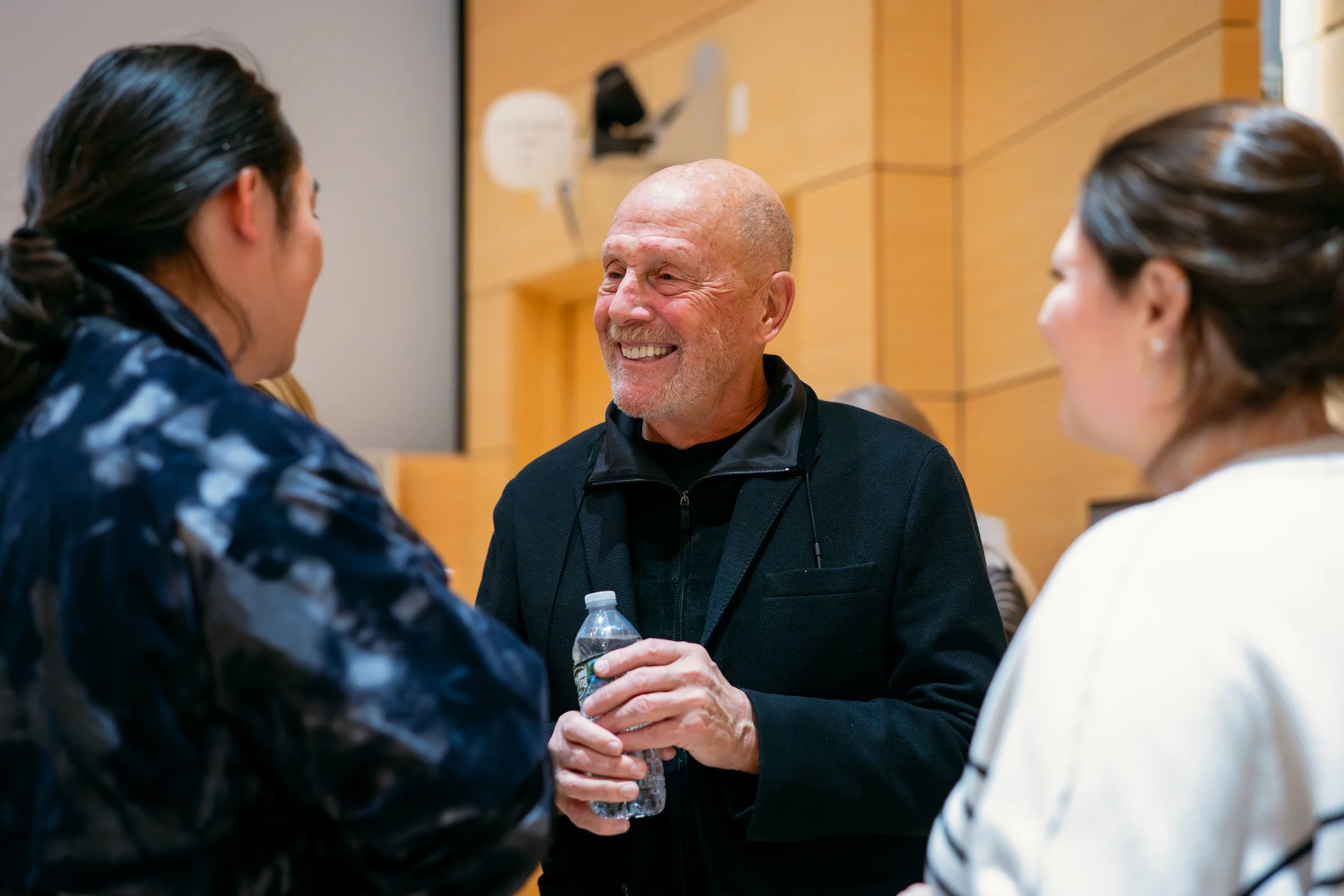
As the evening drew to a close, Frankfort greeted students one by one, giving each his full attention. His final thoughts returned to the next generation.
“Gen Z will shop high and low, and they are looking for companies that walk the talk,” he said.
Then, with quiet conviction, he added, “I see what is going on in the world today, and I am hopeful that your generation is going to create a better world than we have today.”